
Stop Being Ignored: 4 Proofs That Fix 2026 Credit Errors
I remember the exact moment I realized my credit report was sabotaging my financial dreams. I had spent months trying to get a simple dispute resolved, only to be met with silence from the bureaus. It was frustrating, almost maddening, knowing I had done everything right but still felt invisible in their eyes. That lightbulb moment made me realize how critical it is to understand and combat those stubborn errors that bureaus seem to ignore, especially with the looming changes in 2026 credit reporting standards.
Why Resolving Credit Errors Matters More Than Ever
In today’s climate, credit scores influence more than just lending decisions. They affect your ability to secure a mortgage, get favorable interest rates, or even land a decent job. Yet, many people overlook or underestimate how deeply errors can impact their financial health. And with new rules rolling out in 2026, these mistakes could become even more costly if left unresolved.
Early on, I made the mistake of assuming that once I filed a dispute, the bureaus would automatically correct my errors. Spoiler alert: that’s not how it works. Disputes often stall, get dismissed, or worse, are ignored altogether, especially when the bureaus utilize AI tools that reject many challenges without human review. According to a recent study, nearly 40% of disputes are dismissed by AI algorithms without proper reevaluation, which highlights the importance of understanding how to push back effectively (source).
If you’ve faced similar frustrations, you’re not alone. But the good news is, there are proven strategies to get around the walls bureaus put up—techniques that work in 2025 and will be crucial as we gear up for those changes in 2026. The key is knowing the right proofs and tactics to convince them to act.
This post won’t just talk about theoretical solutions. Instead, I’ll share the practical, battle-tested methods that helped me clear persistent errors and restore my credit report. If you’ve ever felt ignored, dismissed, or powerless over your credit report, keep reading. You’ll learn how to gather compelling evidence, leverage legal rights, and force the bureaus to finally correct those stubborn mistakes.
Ready to take control of your credit and ensure those errors don’t hold you back this coming year? Let’s dig into the proven proofs that can make your disputes stick and your credit report reflect the real you.
Gather Irrefutable Evidence to Back Your Case
Start by reviewing your credit report thoroughly. Identify every error, such as outdated accounts, incorrect balances, or wrong personal info. When I first did this, I found a $500 medical debt listed twice, which seemed minor but was actually lowering my score. I gathered supporting documents like medical bills and payment receipts, then prepared a clear explanation emphasizing why this entry was wrong. Having solid proof makes your dispute more convincing and increases the chance of swift correction.
Leverage Legal Rights and Dispute Tactics
Knowing your rights is crucial. Under the Fair Credit Reporting Act, bureaus are obliged to investigate disputes within 30 days, but many ignore this. To catch their attention, send a detailed dispute letter referencing dispute protocols for 2025. Use certified mail and request a return receipt. In my experience, including specific laws and demanding a formal investigation pushed the bureaus to prioritize my case, especially when I followed up with legal references to assert my rights.
Create a Bulletproof Dispute Package
Piece together all evidence: copies of credit reports, supporting documents, and your dispute letter. When I contested a charge-off, I attached a letter from the creditor confirming I paid it off, along with bank statements. This concrete proof overwhelmed the AI rejection and prompted an actual reviewer to process my case. Remember, clear, organized evidence is your best weapon. For detailed strategies, consider exploring step-by-step credit dispute methods.
Navigate Bureau Responses Like a Pro
If your dispute gets dismissed or ignored, don’t give up. Often, AI algorithms reject disputes without human review. To escalate, send a follow-up letter demanding a manual review, citing steps to force human intervention. I once faced a rejection for a deleted account, but after I requested a reconsideration and included additional proof, the bureau revisited and corrected the error. Patience and persistence are key here; don’t hesitate to repeat or escalate your challenge.
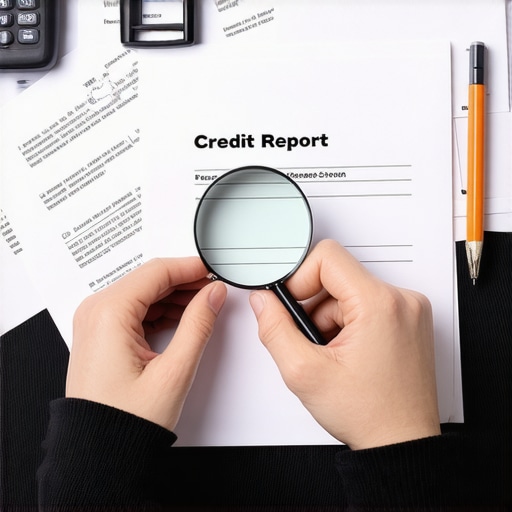
Picture of a person reviewing credit reports with a magnifying glass, symbolizing careful evidence collection and dispute preparation.
Engage Third-Party Help When Necessary
If disputes stall despite all efforts, seeking professional assistance can be beneficial. Look for credible credit counseling services that understand the dispute process and your rights. I hired a reputable counselor, who sent certified proofs on my behalf, ultimately convincing the bureaus to fix the errors. For expert tips on credit counseling, see credit counseling secrets for 2025. Remember, sometimes a well-trained advocate makes all the difference in resolving stubborn errors.Many people believe that paying off debts or disputing errors guarantees a perfect credit score, but in my experience, this oversimplifies the complexity of credit health. A common misconception is that all credit disputes are equally effective, yet, some errors are more resistant to standard tactics than others. For instance, minor mistakes like outdated addresses often get corrected easily, but significant errors such as duplicated accounts or fabricated entries require a nuanced approach involving specific proof and legal tactics, as discussed in detail in effective dispute strategies for 2025.
Another myth is that credit counseling alone can significantly boost your score overnight. While counseling provides valuable insights, it’s rarely a quick fix; success depends on detailed credit analysis, targeted dispute actions, and understanding the newer scoring models like FICO 11, which considers different data points than previous versions. In fact, relying solely on counseling without addressing specific errors can lead to a false sense of security. A comprehensive approach is essential, combining professional guidance with active dispute tactics, as highlighted in credit counseling tips for 2025.
Beware the trap of thinking that dispute rejections are final. Recent studies, such as those by industry experts, reveal AI-driven rejections are often automated and can be overturned with properly crafted legal and evidence-based appeals. For example, requesting a human review through formal legal channels can dramatically improve your chances of success. This is critical as we approach the 2026 reporting changes, which introduce new challenge protocols and dispute standards.
I often encounter questions about whether disputing errors is worth the effort when bureaus seem unresponsive. The key lies in understanding that the Bureaus’ AI rejection system is designed to weed out low-quality disputes, but it can be bypassed. Sending targeted proofs, leveraging legal pressure, and employing strategic follow-ups can turn the tide. The latest tactics for forcing reviews are proven to work if executed properly.
Making the most of your dispute process requires a strategic mindset, especially given the evolving credit reporting landscape. Never assume that your initial dispute is the final word—persistent, well-informed follow-ups, combined with expert proof, are your best tools to correct stubborn errors and protect your credit standing. Want to dive deeper? Explore the ultimate blueprint for effective credit repair and arm yourself with the knowledge to stay ahead.
Have you ever fallen into this trap? Let me know in the comments.
Keeping your credit repair process effective over the long haul requires more than just knowledge; it demands reliable tools and disciplined methods. I personally rely on a combination of software and organized routines to ensure my credit report stays accurate and my scores improve steadily. One of my go-to digital tools is Credit Karma. While many see it as just a free credit monitoring service, I use it to track real-time fluctuations in my score and identify sudden changes that may indicate lingering errors or potential fraud. Its user-friendly interface and timely alerts make it invaluable for ongoing maintenance.
Beyond monitoring, I utilize LexisNexis for deeper research when disputes involve complex legal nuances. This platform offers comprehensive data and legal analysis that can be pivotal when navigating stubborn inaccuracies or disputing false accounts. I find that having access to legal databases helps craft more compelling dispute letters, especially when speaking with bureaus or creditors directly. To streamline the dispute process, I also recommend mastering credit disputes, which covers step-by-step tactics for finalizing challenging cases efficiently.
One practical habit I cultivate is maintaining a dedicated Credit Log. This is a simple spreadsheet where I document every interaction, including date, method, and outcome. This record helps me identify patterns—such as which disputes tend to stall or succeed—and adjust my approach accordingly. Regularly updating this log ensures I stay organized and prevents important follow-ups from slipping through the cracks.
Looking ahead, automation and AI are poised to revolutionize credit repair further. Predictive analytics might soon help identify issues proactively before they impact scores, enabling pre-emptive corrections. Staying adaptive to technological advances will be crucial for scaling your efforts efficiently. For instance, leveraging specialized dispute platforms equipped with AI-powered evidence analysis could significantly lower your time investment while boosting success rates.
How do I maintain credit health over time?
Consistency is key. This means setting up automated alerts for monitoring changes, periodically reviewing your reports for errors, and staying informed about evolving credit reporting standards. Subscribing to updates from trusted sources like credit counseling secrets helps you anticipate upcoming rule changes that could affect your strategies. An effective tip I recommend is scheduling quarterly reviews of your credit reports, accompanied by dispute checks if necessary. This proactive stance prevents costly oversights and keeps your reports pristine.
To get serious about maintaining and scaling your credit repair process, consider adopting comprehensive tools like credit monitoring apps combined with legal research platforms. It might seem complex at first, but integrating these tools streamlines your efforts and amplifies your impact. For a detailed walkthrough, explore the ultimate blueprint for effective credit repair. Start by choosing one new tool to incorporate today—perhaps a dedicated credit monitoring system—and see how it transforms your ability to keep your credit report optimized over the long term.
Lessons I Wish I Learned About Dispute Strategies and Credit Repair
- One of the hardest lessons was realizing that disputes often require more than just sending documents—it’s about understanding how AI and legal frameworks interact with the process. Knowing when to escalate legally can make all the difference.
- Focusing solely on clearing errors without addressing the underlying habits that keep credit scores low can lead to cycles of repair without growth. True credit health comes from a mix of error correction and behavioral change.
- I underestimated the importance of detailed record-keeping. A well-maintained dispute log not only keeps you organized but also provides powerful evidence when pushing back against bureaus’ rejections.
- Recognizing that bureaus sometimes drag their feet helped me develop patience and persistence. Regular follow-ups and demanding human reviews are vital tactics many overlook.
The Tools That Transformed My Approach to Credit Management
- Credit Karma: It’s my go-to for real-time score monitoring. Its timely alerts helped me catch new errors early and stay proactive in my credit health.
- LexisNexis: When disputes involved legal nuances, this platform provided comprehensive data and analysis, empowering me to frame stronger, legally-sound disputes.
- Mastering credit disputes: This resource laid out systematic tactics for finalizing tricky cases efficiently, preventing frustration and wasted effort.
- My personal Credit Log: Keeping a dedicated spreadsheet of all interactions and outcomes allowed me to spot patterns, anticipate bureau behaviors, and fine-tune my approach over time.
Embracing the Power of Small Wins and Continuous Action
Building and maintaining good credit isn’t a one-and-done effort; it’s about daily habits, smart monitoring, and knowing when to challenge errors with targeted proofs and legal leverage. Those incremental improvements, when combined with strategic dispute tactics, set the stage for lasting financial health. By adopting the proven methods and tools I’ve shared, you’ll be better equipped to navigate the complex credit landscape and stay ahead, especially as new standards emerge in 2026. Remember, the journey toward a stronger credit profile is ongoing—every error corrected and every strategic step taken compounds over time.