
Why Your 2026 Dispute Failed: 3 Evidence Fixes to Send Today
I remember sitting at my kitchen table, frustration bubbling over as I stared at my credit report. After weeks of disputing errors on my report, I received the dreaded denial letter—my dispute had failed. That lightbulb moment hurt more than I expected. It was a clear sign that despite my efforts, I was missing crucial evidence that could have made all the difference.
If you’ve faced similar setbacks, you’re not alone. Many people find themselves in this exact boat, wondering why their credit report disputes aren’t sticking and how to fix it before 2026 impacts their financial future. The truth is, disputing errors isn’t enough—you need the right evidence to send along with your claims.
Today, I want to show you how to turn things around. We’ll explore three proven evidence fixes that can significantly boost the success rate of your credit disputes. Whether you’re aiming to lower your mortgage rates, improve your credit score quickly, or clear up errors that keep holding you back, these strategies are your secret weapon.
But first, let’s address a common skepticism.
What’s Stopping Your Disputes from Succeeding – And How to Break Through
Many individuals assume that simply pointing out errors will lead to corrections automatically. I used to believe that myself—until I learned the hard way that evidence is what makes or breaks a dispute. Early on, I submitted a dispute with just a quick screenshot of an outdated balance—completely ignoring the importance of supporting documents. Naturally, the bureau ignored my claim.
Research shows that bureaus are more likely to resolve disputes in your favor when you provide clear, concrete evidence (see [credit dispute success tips](https://creditrenewals.com/mastering-credit-disputes-a-step-by-step-guide-to-success)). Without proper documentation, your chances of victory drop drastically.
So, are you worried about making the same mistake? Or maybe you’ve seen your disputes going nowhere despite your efforts?
Keep reading—I’ll walk you through the three essential evidence fixes that can dramatically improve your chances. By implementing these, you’ll be sending disputes that bureaus can’t ignore and that stand up to their scrutiny, bringing you closer to that better credit score and the financial freedom you deserve.
Gather Strong Evidence That Belines Your Claim
Think of your credit report as a terrain map—bearing errors are like hidden traps that can derail your progress. To navigate this landscape successfully, you need concrete evidence that can clear those traps convincingly. My first successful fix was meticulously collecting proof of mistaken late payments, including bank statements and payment confirmation emails. This step is essential: without solid proof, your dispute is just a shot in the dark. Aim to gather official documents such as bank statements, payment receipts, and correspondence records that directly support your claims.
Compile and Organize Your Dispute Package
Create a Clear Filing System
Once you’ve collected your evidence, organize it methodically. Use labeled folders or digital file names—think of it as preparing your toolkit for battle. For example, keep all bank statements, payment records, and correspondence in separate folders, each clearly labeled for quick reference. This organization not only saves time but also makes your dispute package appear more credible and professional, increasing the likelihood of a favorable response.
Write a Concise, Impactful Dispute Letter
Your dispute letter acts as the command center — it must be clear, precise, and compelling. Avoid vague language; instead, explicitly state what error exists, why it’s wrong, and reference your supporting documents. For instance, specify: “On [Date], my bank statement shows a payment of $200, yet the report claims late payment. Please review the attached proof.” Using this approach mirrors effective credit repair techniques that focus on clear communication, as highlighted in The Ultimate Blueprint for Effective Credit Repair.
Leverage Visual Evidence to Capture Attention
An analogy might help here: if the dispute process is a courtroom, your visual evidence is the compelling witness that sways the jury. Including copies of bank statements or payment confirmations in high-quality scans enhances credibility. 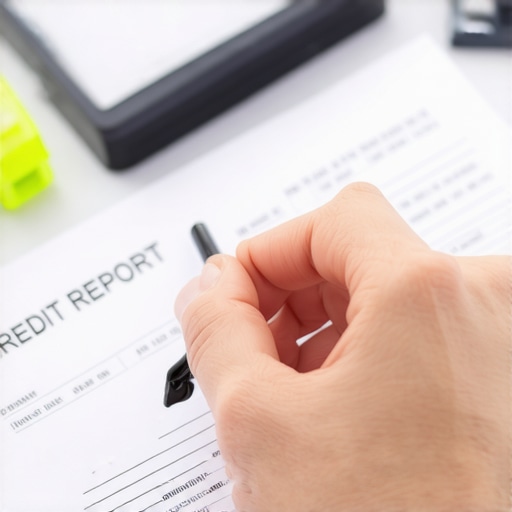 Make sure these images are crisp, legible, and directly correlated with your claim. Such visual proof often forces bureaus or creditors to acknowledge and correct errors, especially when the discrepancy is clear-cut.
Send Evidence with Purpose and Persistence
Finally, dispatch your dispute package via certified mail to ensure delivery confirmation. This is your legal proof that you’ve acted diligently. Keep a detailed log of communications and responses. If bureaus ignore or dismiss your evidence, follow up with additional proof or escalate your disputes using strategies from 4 Ways to Force a 2026 Credit Correction. Remember, persistence coupled with concrete evidence significantly tilts the scales in your favor, much like a skilled negotiator building a solid case in court.
Many believe that credit scores are straightforward numbers determined solely by recent payment history, but the reality is far more complex. A prevalent misconception is that disputing errors automatically boosts your score; however, without the right evidence and understanding of credit scoring nuances, disputes may fall flat. Additionally, some assume that credit counseling is only necessary during financial crises, when in fact, its strategic application can significantly enhance your score in the long run.
Let’s address a critical yet often overlooked point: not all credit repair strategies are created equal. Many novices dive into credit disputes without mastering the underlying principles, leading to wasted effort and missed opportunities for score improvement. For example, focusing solely on removing late payments without addressing the factors that influence your score—like credit mix and utilization—limits progress.
A common myth is that paying off collections immediately will boost your score. While this can help, some studies, such as those from FICO, indicate that the impact depends on how recent the debt is and how it’s reported. In some cases, negotiating pay-for-delete agreements might even harm your score if not executed properly. To truly optimize, borrowers should understand the key factors influencing credit scores and tailor their strategies accordingly.
Have you ever fallen into this trap? Let me know in the comments.
Another advanced mistake involves neglecting the effect of credit utilization ratios. Many overlook that having a high credit utilization can negate the benefits of timely payments. Reducing utilization is often a more impactful move than simple payment history adjustments. Furthermore, understanding the nuances in how different credit scoring models—like FICO 10T versus earlier versions—prioritize recent data can make a substantial difference. For in-depth guidance, consider reviewing expert strategies on proven dispute techniques and how they can be combined with strategic debt management.
Lastly, be wary of relying solely on credit counseling services, which sometimes focus on debt consolidation without addressing the core credit report issues. Effective credit repair requires a balanced approach, combining dispute tactics, strategic financing, and thorough knowledge of your credit profile. For a comprehensive plan, explore how credit counseling can actually transform your financial future.
By understanding these hidden nuances and avoiding common myths, you’ll position yourself for more effective credit building. Remember, mastery over the details—like credit utilization, scoring model differences, and evidence-backed dispute tactics—is what separates successful borrowers from those who keep spinning their wheels. Stay informed, apply the right techniques, and watch your credit score rise over time.Maintaining your credit health over time requires more than just initial disputes and credit counseling sessions. You need reliable tools and proven methods to monitor progress, correct errors swiftly, and scale your efforts as your financial situation evolves. Personally, I rely on a combination of software and systematic routines that ensure I stay ahead of any potential setbacks.
One tool I highly recommend is Credit Karma — it offers free, real-time credit monitoring and alerts for any changes to your report. This instant feedback allows me to identify and dispute inaccuracies as soon as they occur, preventing errors from festering. Additionally, I use Experian’s CreditWorks platform for deep insights into my credit profile, including detailed breakdowns that help me understand scoring nuances, aligning with the key credit score factors every borrower should know.
For dispute management, I turn to document organization software like Evernote or OneNote. These apps keep my proof files, correspondence logs, and dispute templates in one accessible place. When I receive a suspicious change or find an error, I quickly compile a dispute package, referencing supporting documents at the click of a button.
Automation can significantly enhance your long-term results. I set up email alerts for credit report updates and schedule quarterly reviews of my credit profile. This disciplined approach ensures continuous oversight without becoming overwhelming. For scaling efforts, consider leveraging professional credit repair services that use AI-driven dispute generation—these technologies identify errors that manual reviews might miss, compounding your efforts.
Looking ahead, I predict that credit monitoring tools will become even more sophisticated with AI integration, providing predictive analytics to warn you about potential negative marks before they impact your score. Staying ahead in this game means embracing these innovations.
How do I maintain my credit over time? Regular reviews with a strategic mix of software tools and professional advice create a feedback loop that keeps my credit report accurate and my score optimized. If you want a seamless way to proactively manage your credit, start using a platform like Credit Karma for real-time monitoring, and pair it with a disciplined review schedule. For more in-depth strategies, explore how credit counseling can transform your financial future and provide personalized blueprints for sustained success.
Don’t wait for errors to pile up—try setting up automated alerts and organize your proof files today. Remember, consistency is key to long-term credit improvement. For a good starting point, check out [this resource](https://creditrenewals.com/dispute-credit-errors-swiftly-and-securely-in-2025) to learn advanced dispute tactics that will keep your efforts resilient and effective.
3 Hidden Truths That Changed My Credit Repair Strategy
One lightbulb moment came when I realized that not all evidence is created equal. Generic receipts won’t cut it; you need clear, official documents like statements and payment confirmations to truly strengthen your case. I also learned that organizing evidence meticulously—think labeled folders and summarized spreadsheets—made my disputes more credible and faster to resolve. Lastly, I discovered that a concise, well-structured dispute letter referencing my supporting docs resonated better with bureaus, often prompting quicker corrections.
A Treasure Chest of Tools That Accelerated My Progress
Using free monitoring tools like Credit Karma and deeper analysis platforms like Experian’s CreditWorks became game-changers. I recommend keeping a digital file system—Evernote is fantastic—to track evidence and correspondence. Automation tools, like scheduled credit reports and alerts, helped me stay proactive without overwhelm. These resources empower you to manage your credit health like a seasoned professional.
Your Next Move Could Define Your Financial Future
Building and maintaining excellent credit isn’t just about quick fixes; it’s a long-term habit. If you’re ready to take control, start leveraging the proven dispute techniques and credit management tools I’ve shared. Every step you take today brings greater financial freedom tomorrow. Remember, consistency and informed strategies are your best allies on this journey.
What’s been your biggest challenge in disputing errors or improving your credit? Drop your experience below—I’d love to hear your story and help you find solutions.