
3 Questions to Ask a Credit Counselor Before You Pay in 2026
I still remember the sinking feeling in my stomach when I first faced the reality of my credit report—errors, unexplained debts, and a score that refused to budge. It was a lightbulb moment for me: I needed guidance, but I was clueless about what questions truly mattered before committing my hard-earned cash to a credit counselor. Like many, I was caught in a web of misinformation, thinking all credit advice was created equal. But I learned the hard way—asking the right questions could make or break my financial future.
Why Asking the Right Questions Matters More Than Ever in 2026
As we inch closer to 2026, the landscape of credit and financial advice is evolving rapidly. Whether you’re considering credit repair, dispute resolution, or seeking expert guidance, the questions you ask today can determine your success tomorrow. Trust me, I’ve seen folks dive into credit counseling without a clear plan—only to find themselves worse off. The key is arming yourself with specific, targeted questions that reveal the counselor’s expertise and strategies. For instance, understanding which factors impact your credit score can give you an edge, as highlighted in this comprehensive guide.
Research shows that consumers who are well-informed make better credit decisions, saving themselves time and money in the long run. Early on, I made the mistake of trusting a counselor whose methods didn’t align with proven strategies—costing me months of effort and frustration. That experience taught me that, to truly benefit from professional advice, you need to ask the right questions upfront. What’s their approach to dispute errors? Do they focus on dispute errors that can be quickly fixed? Are their strategies tailored to your credit report? These are just some of the crucial questions that should be on your list.
Is Talking to a Credit Counselor Really Worth It?
This skepticism is valid, especially after hearing stories about ineffective or overly aggressive tactics. But here’s the truth: with the right questions, credit counseling can be transformed into a powerful tool for growth. The secret lies in how you approach the conversation. If you want to improve your credit score by 2025, knowing the right questions to ask—like those detailed here—can make all the difference.
So, have you ever walked into a credit counseling session feeling overwhelmed or unsure? If so, you’re not alone. Let’s explore the questions that will help you cut through the noise and get real, actionable results.
Start with a Clear Snapshot of Your Credit Report
Before diving into fixes, obtain a comprehensive copy of your credit report—you’re entitled to one free report annually from each bureau. Review it meticulously—look for unfamiliar accounts, outdated information, or errors. Think of your report like a medical diagnosis; you can’t treat a problem if you don’t identify its exact location. When I did this, I found an old bill from a utility company I’d forgotten about, affecting my score. Using the detailed report, I prioritized disputing these inaccuracies to set a solid foundation.
Prioritize Disputing Errors That Cost You Points
Not all errors are equal—some have a more significant impact on your credit score than others. Focus on inaccurate late payments, accounts that aren’t yours, and outdated collections. Dispute errors with precision, referencing specific items and supporting evidence. I followed the step-by-step process outlined in this guide, which taught me how to present my case clearly and effectively. This approach can swiftly remove damaging entries, giving your score an immediate boost.
Leverage Evidence and Documentation Like a Pro
When challenging errors, evidence is your best weapon. Gather statements, payment records, or official correspondence that support your claims. Think of disputing as building a case in court—your evidence persuades the bureau to correct or remove false information. Once submitted, track your disputes via the bureau’s online portals or regular follow-ups. During my experience, I sent certified letters with copies of proof, which expedited resolution and protected my rights.
Understand Which Disputes Yield Rapid Gains
Focus on quick-win errors that can be resolved within a few weeks. Paid collections with pending deletions or outdated accounts eligible for removal are prime targets. Use insights from top repair strategies to pinpoint these opportunities. In my case, correcting a paid collection resulted in a noticeable jump in my score—proof that strategic disputes drive real results.
Correct and Rebuild Through Responsible Practices
Disputes alone aren’t enough. After errors are removed, focus on positive actions—reduce new debt, pay bills on time, and keep balances low. Think of your credit like a garden; errors are weeds, but consistent care fosters healthy growth. I started paying mini installments on existing debts and kept credit utilization under 30%, which significantly improved my score over time.
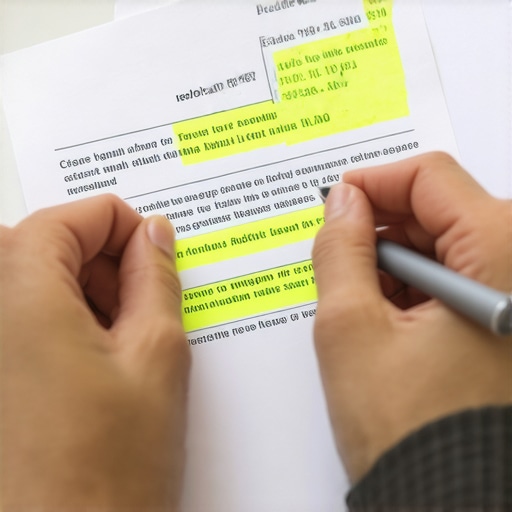
Visualizing your credit report as a battlefield can help in strategizing which errors to tackle first. An annotated report highlighting errors versus accurate entries can streamline your dispute process and prioritize high-impact issues.
Many believe that credit repair is a straightforward process of disputing errors and watching scores rise. But in practice, there’s a nuanced dance of strategies and misconceptions that can sabotage your efforts. One common myth is that all errors on your credit report carry equal weight—that disputing a minor typo can dramatically boost your score. The truth is, focusing on high-impact errors like incorrect late payments or outdated collections yields far more tangible results. According to this expert guide, prioritizing disputes that affect your score most significantly can accelerate improvement.
A trap many fall into is assuming that simply submitting disputes guarantees swift correction. However, bureaus often ignore or delay addressing disputes, especially if they suspect inaccuracies are minor or repetitive. The dispute process requires strategic follow-up and supporting evidence; otherwise, errors can linger, continuously harming your score.
For advanced readers wondering about the real impact of disputes on credit scores, understanding the underlying mechanics is crucial. Credit scoring models like FICO prioritize recent, accurate information and penalize errors related to missed payments and collections. Disputing outdated or minor errors without strategic focus can be inefficient and even counterproductive. A study by FICO indicates that correcting high-impact inaccuracies can result in an average score increase of 60 points or more, demonstrating the importance of targeted dispute efforts.
Let’s also clarify a widespread misconception: fixing errors alone isn’t a magic bullet for good credit. Responsible credit management—timely payments, low utilization, and smart borrowing—are essential to rebuild trust in your financial profile. Think of errors as weeds; removing them is necessary but not sufficient. You need ongoing care—like paying bills on time and keeping balances low—to cultivate a healthy credit report.
Avoid the mistake of thinking that all disputes are created equal. Instead, focus on high-impact errors that, when corrected, yield quick wins and a real boost to your score. For comprehensive strategies, check out this article.
Have you ever fallen into this trap? Let me know in the comments.
Keeping Your Credit in Top Shape with Proven Tools
Managing your credit report and score isn’t a one-time effort; it requires consistent maintenance and the right tools. I personally rely on a mix of dedicated software and disciplined practices to stay on top of my credit health. One invaluable resource I use is Credit Karma, which provides real-time updates on my credit score and detailed reports. What I love about it is the ability to track changes and receive alerts whenever a new inquiry or account is reported, allowing me to respond swiftly if anything looks off. Additionally, I utilize Experian’s CreditWorks service for more in-depth analysis, especially before major financial moves like refinancing or applying for a mortgage.
Automated alerts are essential in my toolkit. They act like a vigilant watchdog, ensuring I catch errors or suspicious activities early. This proactive approach aligns with the advice in this guide for dispute strategies that prevent small errors from snowballing into score-damaging issues.
How a Systematic Approach Ensures Long-Term Success
Beyond software, establishing a routine is critical. I schedule monthly reviews of my credit report, cross-checking data with my personal records. Keeping a spreadsheet of disputes, payments, and credit utilization helps me identify patterns and address potential problems early. This disciplined process echoes the importance of structured management found in the ultimate blueprint for effective credit repair.
In terms of scaling these efforts, I recommend automating payments to avoid late fees and maintaining a balance below 30% of your credit limit. This consistent, responsible behavior not only preserves your score but promotes a healthy credit profile that lenders trust. As the credit environment evolves toward more AI-driven monitoring, tools with artificial intelligence will likely become even more adept at detecting anomalies and suggesting personalized strategies.
How do I maintain my credit over time?
The key is integrating reliable tools into your routine—credit monitoring services, automated bill payments, and regular report reviews—alongside disciplined financial habits. Staying informed with resources like this guide on credit score factors ensures that you understand how your actions impact your score. Remember, the goal is continuous improvement, not quick fixes. For those wondering how to implement these practices effectively, starting with one tool—such as setting up automatic payments—can create momentum and reduce the risk of errors.
Looking ahead, I predict that our tools will become even more intuitive, offering predictive insights based on our financial behavior. Staying ahead of the curve means embracing new technologies early and adjusting your habits accordingly. For instance, exploring emerging AI-driven credit analysis platforms could give you an edge. So, give one of these tools a try today—like setting up automatic payments—and watch how it elevates your credit maintenance routine.
If you’re interested in more detailed strategies, be sure to check out this expert guide on maximizing your credit score for 2025.
What I Wish I Knew About Prioritizing Disputes
- I learned early that not all credit report errors impact my score equally. Focusing on high-impact mistakes like incorrect late payments or outdated collections sped up my credit score improvement significantly, making my efforts more effective and less frustrating.
The Power of Asking the Right Questions
- It wasn’t just about disputing errors; understanding how credit scoring models work and which factors matter most shifted my approach. Asking clear, targeted questions to my credit counselor saved me time and ensured I was addressing the most impactful issues proactively.
Why Patience Outweighs Speed in Credit Repair
- I realized that strategic disputes and consistent positive behavior lead to lasting improvements. Rushing and expecting instant results often backfired, but embracing patience turned my credit journey into a sustainable process of growth.
My Trusted Tools for Long-Term Credit Success
- Using services like this comprehensive guide and automated monitoring tools, I stayed ahead of potential issues and aligned my actions with proven strategies. Recognizing which tools genuinely support my goals made all the difference.
Final Inspiration: Embark on Your Credit Growth Journey Today
Remember, building or repairing your credit is a marathon, not a sprint. By asking the right questions and leveraging strategic tools, you can take control of your financial future with confidence. Every step you take now sets the foundation for a stronger, healthier credit profile—so don’t wait any longer to start making impactful moves. Your future self will thank you.
What’s the first question you think you should ask your credit counselor to get the most out of your credit repair efforts? Let me know below!
Reading this post resonated with my own experience when I first tried to improve my credit. The moment I realized I had outdated collections or errors on my report was eye-opening; it made me appreciate how crucial it is to review your report thoroughly before seeking professional help. I absolutely agree that asking the right questions can make a huge difference. For example, I once asked a counselor whether their strategies focus on rapid results or long-term stability, which helped me align my expectations.
One thing I wonder about is how to prioritize disputes when you have limited time and resources. Have others found effective ways to quickly identify high-impact errors without getting overwhelmed? I’d love to hear tips or tools that can help streamline this process. It’s such a vital step because tackling the most damaging errors first can give your credit score that much-needed boost. This makes me think—what are the key signs that an error is worth immediate attention versus something that can wait? Would love to exchange ideas on managing this aspect effectively.
Your post really hits home for me, especially the emphasis on asking targeted questions when consulting a credit counselor. I remember my own experience when I discovered outdated accounts on my report; it was a game changer. I’ve always tried to approach credit repair proactively, but I’ve sometimes wondered about the best way to assess which errors to dispute first, particularly when juggling limited resources. Checking for high-impact errors—like incorrect late payments or outdated collections—is definitely the priority in my view.I’ve found that reviewing the report with a critical eye and focusing on the most recent negative items can make a big difference. I’m curious, has anyone found particular tools or methods helpful in quickly pinpointing the most damaging errors? Also, do others agree that immediate attention should be given to errors that are technically minor but have a large impact on your score? I’d love to hear others’ strategies for balancing quick wins with long-term credit health.