

I still remember the cold sweat. I was sitting at my kitchen table, staring at a denial letter for a rental house I desperately wanted. The reason? A massive, glaring error on my credit report. To make matters worse, the online verification systems demanded a traditional bank account or a major credit card to verify my identity. I had neither at the time. I felt completely locked out of my own financial identity. It was a brutal realization, but it forced me to find another way. Many people think that without an active checking or savings account, checking your financial file is impossible. That is a myth. Today, I am going to show you exactly how to bypass that digital wall and reclaim your file.
My biggest mistake early on was trying to force my way through online portals. I kept clicking “verify” and locked myself out of the system for weeks. I learned the hard way that why online dispute portals are a trap for consumers who do not fit the traditional banking mold. If you want to protect your privacy and actually get results, you have to skip the automated shortcuts and go old-school. According to the Consumer Financial Protection Bureau (CFPB), consumers have a legal right to access their reports regardless of their banking status, and the bureaus must provide alternative verification methods.
The Paper Trail Method That Saved My Sanity
If the computer says no, it is time to use the postal service. When you do not have a bank account to automatically cross-reference your identity, the credit bureaus need physical proof that you are who you say you are. This means putting together a physical identity packet. I used a utility bill, a state ID, and a copy of my social security card.
When I first tried this, I made a major rookie mistake: I sent my documents via regular mail, and they magically vanished into thin air. I had to learn to why every credit dispute should be sent via registered mail to ensure the bureaus actually signed for my sensitive information. Once you send physical copies of your documents directly to Equifax, Experian, and TransUnion, they are legally obligated to process your request manually.
Is bypassing the online system actually worth the extra effort?
Absolutely. While waiting for the mail feels agonizingly slow compared to an instant online click, it is actually much safer. It prevents automated algorithms from misinterpreting your lack of a bank account as a security red flag. Have you ever tried to pull your credit report only to get locked out because you did not have an active checking account? Let me know in the comments below, because you are definitely not the only one fighting this system. Now that we have established why the paper route is your best friend, let us look at the exact documents you need to gather to make this process foolproof.
How to Build Your Identity Packet Without a Bank Account
Think of your physical identity packet as a security keycard for a high-security vault. Automated systems match digital footprints, but when those footprints don’t exist, you must provide tangible, undeniable proof. To bypass the digital wall, you must assemble three distinct layers of identification: government-issued photo identification, proof of your Social Security number, and physical proof of your residential address. For your photo ID, a color copy of your driver’s license or state ID card is best. For Social Security verification, use a clear copy of your SSN card or an official tax document like a W-2. Finally, to prove your residence, you need a utility bill, a pay stub, or a rental agreement dated within the last sixty days.
I learned how precise this packet needs to be during my own financial rebuild. The first time I mailed my packet to TransUnion, I used a utility bill that had my name spelled as “Jon” instead of “John.” Because of that single letter, my entire packet was rejected as unverified. This taught me that you must carefully inspect every single document to ensure they align perfectly. If you run into spelling issues, check out this guide on the simple fix for a name misspelling on your credit report to resolve it before sending your packet.
Address Verification for the Unbanked
When you do not have a traditional checking account, utility bills are your strongest currency for verification. If your utility accounts are relatively new, be aware that setting them up can sometimes trigger minor changes in your consumer profile. Read about why your score dips after you open a new utility account to stay ahead of these subtle shifts. If your name is not on the primary utility bills at your home, a cell phone bill or even a piece of official mail from a state or federal agency will work as long as it matches the physical address on your ID.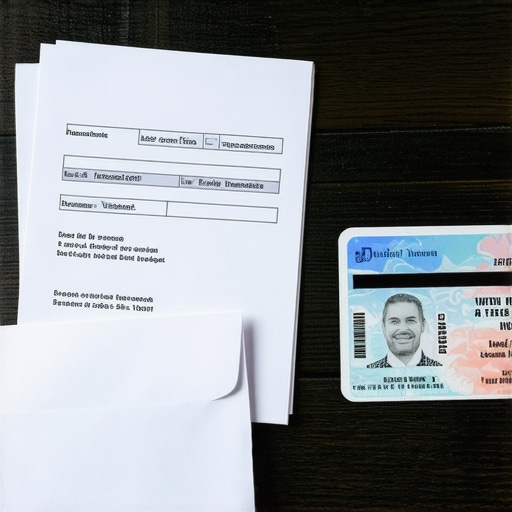
Drafting Your Manual Request Cover Letter
With your documents organized, you must write a direct cover letter. This letter acts as the manual override switch for the credit bureau’s automated scanning machines. Keep your letter concise and state your request immediately. Do not write a long emotional story. Use a clean, professional template that states: “I am requesting a complete copy of my consumer disclosure pursuant to the Fair Credit Reporting Act. Because I do not use traditional banking services, I am verifying my identity manually using the enclosed documents.” List each enclosed document clearly at the bottom of the page.
If you are pursuing this manual route because you want to audit your file for inaccuracies, this cover letter is also the perfect place to lay the groundwork for correcting those issues. Utilizing strategic communication is key when you want to dispute errors effectively. Instead of letting an automated online system interpret your request, this manual letter forces a physical human investigator at the credit bureau to review your physical file. When you bypass the automated scanners, you gain much more control over how your file is updated and managed. If you find yourself needing structured guidance on managing your debt alongside this manual process, learning about understanding credit counseling can provide a clear financial blueprint to complement your efforts.Most people believe that fixing credit is a mechanical process of mailing a form letter and waiting thirty days. The popular advice is always the same: spot a mistake, mail a letter, and wait for the automated magic to happen. However, in my experience, the standard approach is precisely why so many consumers remain stuck. The real battle is not just sending the information; it is forcing a physical human being at the bureau to actually look at it rather than letting an automated scanner reject it. If you want to achieve lasting financial health, you have to look beyond standard templates and learn how to dispute errors effectively by treating your consumer file like a legal case.
The biggest trap you can fall into is disputing everything all at once. People often get excited and dispute ten different items on their report in a single letter, thinking they are being efficient. This is a massive mistake. When a credit bureau scanner receives a letter containing a dozen disputes, it automatically flags the correspondence as frivolous or generated by a third-party credit repair mill. This automated red flag completely stalls your progress, and you will receive a generic rejection letter weeks later. According to consumer defense experts, sending more than three disputes in a single packet is the fastest way to get your legitimate claims ignored entirely. Instead of rushing, focus on your biggest wins first.
Are you accidentally verifying your own negative accounts during a dispute?
This is the advanced mistake that almost nobody talks about. When you write a credit bureau to dispute a collection account, you might accidentally include details that legally verify you owe the money. For example, writing “I cannot afford to pay this debt because of a job loss” is actually a confession of ownership. The bureau will simply update the account status to “verified” because you just admitted the debt belongs to you. If you want to protect your rights, you must separate your disputes from your long-term planning. While you are disputing mistakes, you can simultaneously learn about understanding credit counseling to manage your actual obligations without accidentally sabotaging your dispute process.
To get real results, you must demand a manual review of your documents. A landmark study by the National Consumer Law Center revealed that credit bureaus spend an average of less than four minutes reviewing each dispute, relying almost entirely on automated matching systems called e-OSCAR. When you send physical, certified mail with unique evidence, you force them to step away from the machine. Have you ever fallen into this trap of sending too many disputes at once or accidentally confirming a debt? Let me know in the comments below, and let’s discuss how to fix it.Once you successfully bypass the automated systems and establish a clean credit profile, the real work begins. Credit management is not a single project you finish and forget; it is a continuous loop of verification and protection. I used to think that once my score hit my target number, I could coast forever. I was wrong. The credit bureaus constantly update their records, and automated data scrapers are always looking to re-report old, settled debts under new collection agency names. To prevent these automated surprises, you must establish a personal system for keeping your profile healthy.
My personal maintenance tool of choice is a dedicated paper filing cabinet combined with encrypted digital scans. When dealing with credit bureaus, digital convenience can actually be a vulnerability. I keep a physical ‘Credit Ledger’ where I track every piece of certified mail sent and every response received. I also use simple, local tracking spreadsheets rather than cloud-based credit tracking apps that sell your data to credit card companies. If you want to protect your personal information while keeping a close eye on your file, you can learn how to monitor your credit for free without giving away data. Keeping your sensitive documents off of massive commercial platforms keeps you in control and prevents identity brokers from profiting off your rebuilding journey.
How do I maintain my credit profile over time without getting overwhelmed?
The secret is setting up a quarterly check-in rather than checking your score every single day. Daily checking only causes unnecessary anxiety because minor fluctuations are perfectly normal. To systematically protect your hard work and stop new errors from creeping in, you should implement the strategies outlined in this guide on how to stop credit bureau errors before they happen. By reviewing your reports manually every ninety days, you can spot unauthorized inquiries or small address typos before they balloon into major problems that affect your borrowing power.
Looking ahead, the future of credit scoring is shifting toward alternative data points. The traditional FICO model is being supplemented by systems like FICO Score 10 T, which analyzes historical trended data rather than just a single snapshot in time. This means that temporary spikes in credit card utilization will have a longer-lasting impact than they did in the past. To stay ahead of these analytical changes, you must master the fundamental mechanics of your score. I highly recommend learning the the science of credit repair to understand exactly how these trended algorithms view your borrowing habits. If you prefer a structured, personalized path to managing your debt as these scoring models evolve, utilizing ultimate guide to credit counseling will provide the precise architectural blueprint you need to maintain pristine financial health. Do not wait for an unexpected loan denial to check your status. Grab your state ID and utility bills tonight, assemble your physical identity packet, and send a manual dispute to the bureaus to take absolute ownership of your financial destiny.
What Experts Won’t Tell You About Reclaiming Your Own Records
Once I learned how to bypass the automated systems without a traditional bank account, the curtain was pulled back on the entire credit industry. Here is the insider reality that credit repair companies try to keep under wraps: first, automated dispute platforms are designed to protect the bureaus’ bottom line, not your rights. When you use those convenient online dispute portals, you are actually signing away your legal leverage and making it incredibly easy for an algorithm to reject your claims. Second, physical paper remains the ultimate authority in consumer finance. A certified letter containing real physical evidence of your identity forces human intervention, which is exactly why you want to dispute errors like a pro by using the mail. Finally, persistence is far more valuable than a perfect credit score formula. Your credit file is a dynamic legal ledger, and the system is designed to reward those who systematically audit their files and demand manual corrections.
My Essential Toolkit for Manual Audits
Building an independent financial profile requires a few reliable resources to keep your journey organized and secure. Over the years, I have trimmed down the noise and relied on these specific items:
- The CFPB Consumer Complaint Database: If a bureau ignores your certified mail, submitting a complaint through the CFPB is the fastest way to break through their administrative walls.
- Certified Mail Tracking Spreadsheet: A simple, offline tracking sheet is essential for documenting the exact date a bureau representative signs for your identity packet.
- Premium Heavyweight Paper: When sending physical disputes, print your letters and identity documents on premium paper to prevent them from being crumpled or easily ignored.
If you find yourself overwhelmed by the complex calculations of interest rates and past debt accounts, checking out the credit counseling secrets can give you a professional perspective on balancing your debt while maintaining your dispute process. To understand the deeper math behind how the bureaus evaluate your payment history, learning the science of credit repair will transform the way you approach your physical documentation.
Take Absolute Ownership of Your Financial Destiny Today
Taking control of your credit report without a standard bank account can feel like hiking up a steep mountain in the dark, but it is one of the most empowering financial actions you can take. You do not have to accept the limitations of automated systems or let a missing checking account lock you out of your consumer rights. By assembling your physical identity packet and utilizing certified mail, you are taking back the keys to your financial identity. This is your moment to step out of the automated shadow and build a bulletproof profile. Every single step you take brings you closer to ultimate financial freedom. Have you ever been locked out of an online credit check just because you did not have an active bank account? Let me know in the comments below, and let’s troubleshoot your path forward together.