

I remember sitting on the hardwood floor of my new, empty apartment, surrounded by cardboard boxes and the smell of stale coffee. I thought the worst was over once the papers were signed. Then, my phone buzzed with a notification from my credit app. My score had plummeted 52 points. My ex-husband had forgotten to pay the bill on a joint retail card we hadn’t used in years. It felt like a punch to the gut. I was trying to build a new life, but my past was dragging my financial reputation through the mud. Today, I’m going to show you how to cut those ties and protect your finances during a high-asset divorce so you don’t end up in the same mess I did.
Stop Your Ex From Sabotaging Your Financial Future
Divorce is an emotional whirlwind, and honestly, the last thing anyone wants to do is call a bank. But here is the cold, hard truth: a judge’s signature on a divorce decree does not magically dissolve your contract with a lender. I made the naive mistake of thinking the court’s decision meant I was off the hook for the SUV loan. I was wrong. If your name is on that dotted line, the credit bureaus will hold you responsible regardless of who the judge told to pay. You have to be the one to drive the change. We are going to look at how to understand credit counseling as a tool for transition and why you need to act before a single payment is missed. Have you already noticed strange accounts or late fees popping up on your report since the split?
Is It Even Possible to Shield Your Score Completely?
You might be skeptical, thinking that shared debt is a trap with no exit. It’s a common fear. Many people assume they just have to take the hit and spend years recovering. However, according to data from the Consumer Financial Protection Bureau, proactive management of joint accounts is the only way to prevent collateral damage during a legal separation. You can’t just hope for the best; you have to be aggressive about closing joint lines and moving toward individual stability. If the damage has already started, you’ll need to learn how to dispute errors effectively to clean up the aftermath. It is about building a financial firewall between your old life and your new one. Let’s get into the actual steps to make that happen.
Cut the Tether on Every Joint Account
Think of your joint credit report like a tandem bike where the other person has equal control over the brakes. If they decide to slam them while you are pedaling uphill, you are both going down. The first thing you must do is identify every account where both names are listed as co-applicants. In my case, I mistakenly thought that just because I stopped using the card, I was safe. I found out the hard way that as long as the account is open, his spending habits were my financial responsibility. You need to contact each creditor and ask for the account to be closed to new charges. Be aware that many banks won’t actually ‘remove’ a name; they require the balance to be zeroed out before the account can be fully shuttered. If you can’t pay it off immediately, look into ultimate guide to credit counseling to help structure a repayment plan that keeps both of you accountable. 
Check the Authorized User List Immediately
This is the lowest hanging fruit and the one most people forget. If you added your spouse as an authorized user on your personal card, you are effectively giving them a blank check. I had a friend whose ex went on a ‘separation spree’ at a luxury hotel using a card where he was merely a guest user. Because she was the primary holder, her score took the hit when the utilization spiked. You can usually remove an authorized user through a simple mobile app setting or a five-minute phone call. Conversely, check if you are an authorized user on their accounts. Even if you aren’t spending a dime, if they max out that card, it could be why your authorized user status might be hurting you right now. Removing yourself is a quick way to see credit score boosters in action almost overnight.
Freeze Your Credit to Prevent Revenge Spending
During a messy split, emotions can lead to irrational decisions. A ‘credit freeze’ is your best friend during this transition. It prevents anyone—including your soon-to-be-ex—from opening new accounts in your name. I didn’t do this, and I spent months wondering if a new utility bill or store card was going to pop up. By freezing your reports at all three bureaus, you ensure that no new lenders can pull your file without a PIN that only you know. This is why a credit freeze is your best defense against identity theft or vindictive financial moves. It’s a temporary wall that gives you the breathing room to focus on your legal proceedings without checking your phone for fraud alerts every hour.
Scrub the Mistakes Off Your Report Like a Pro
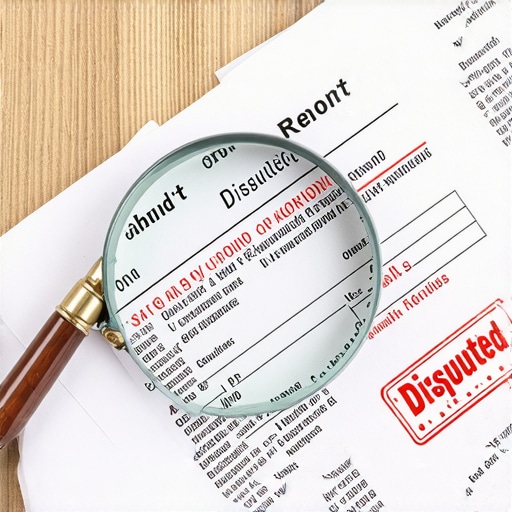
Once the dust starts to settle, you need to perform a deep audit. Look for late payments that occurred during the separation period. If your ex was supposed to pay the mortgage but ‘forgot’ out of spite, that 30-day late mark is a scar on your history. You don’t have to just live with it. You need to learn how to dispute errors on your credit report and improve score by providing the bureaus with documentation, such as your divorce decree or proof of separate residences. I once had to fight a utility company for four months because they kept reporting a ‘shared’ debt that the court had assigned to my ex. It was exhausting, but by understanding key credit score factors, I knew that getting that one negative mark removed would jump my score back into the 700s. You have to be the squeaky wheel when it comes to your reputation.
The one thing the self-proclaimed experts on social media won’t tell you is that those shiny online dispute buttons are often a Trojan horse. While they look like a shortcut, why online dispute portals are a trap for consumers is something I learned the hard way. When you click that ‘Agree’ box, you are frequently waiving your right to a manual reinvestigation or the ability to re-dispute that item if the automated system rejects it. It’s the ultimate ‘oops’ factor that can leave a permanent scar on your report. Instead of the digital easy-button, you need to demand a paper trail. I always tell my clients that why you should ask for a method of verification every time is the secret to getting results that actually stick. You want to see exactly how the bureau confirmed that the debt is yours, not just a generic ‘verified’ status.
Why Does My Score Drop When I Finally Pay Off a Debt?
It feels like a betrayal, doesn’t it? You work hard to settle an old collection from the marriage, you send the check, and your score actually goes down. This happens because of a nuance in the FICO algorithm: paying an old, stagnant collection can sometimes ‘reactivate’ the date of last activity, making a five-year-old mistake look like it happened yesterday. This is where the truth about how often your score actually refreshes becomes vital. You aren’t just fighting the balance; you are fighting the timeline. According to a study by the Federal Trade Commission, nearly 25% of consumers identified errors that could affect their credit scores, and many of these errors are triggered by ‘updated’ payment statuses that actually reset the clock on negative reporting.
The Zero Balance Myth Is Costing You Points
Here is a contrarian view: keeping a $0 balance on every single card you own is actually a bad move for your score. Most people think ‘no debt equals a perfect score,’ but the math doesn’t work that way. Lenders want to see active, responsible use. This is why keeping a zero balance on all cards might hurt your score—it can lead to a ‘non-rated’ status on your utilization. The trick is to have a small balance (under 3%) report on just one card while the others stay at zero. This ‘AZEO’ (All Zero Except One) method is a pro-level strategy used by those aiming for the high 700s. To really round out your profile, you should also look into the simple move to improve your credit mix, which might mean adding a small credit-builder loan if you only have cards. Have you ever fallen into the trap of thinking a zero balance was the gold standard? Let me know in the comments below, and let’s figure out how to get those points back together.
Stop Flying Blind with Free Score Apps
For a long time, I thought checking my free score on a Tuesday afternoon was ‘managing my credit.’ It wasn’t. Those apps use a VantageScore model, which is great for a general idea, but it’s not what mortgage lenders or car dealerships actually see. If you want to scale your score and keep it in the high 700s, you need to transition to tools that show you the industry-specific FICO versions. I personally use professional-grade monitoring that gives me the ‘mortgage’ and ‘auto’ versions of my score because why your credit score might be different on every app you check is often the reason people get a nasty surprise at the dealership. When you are rebuilding after a major life event like a divorce, you cannot afford to guess. You need to know exactly how your actions impact the specific algorithm your lender uses.
The Paper Trail Method That Bureaus Hate
People often ask me if they should buy expensive programs to fix their history. To be honest, the truth about credit repair software vs professional help is that neither works if you don’t have a bulletproof filing system. I maintain a physical ‘Credit Bible’—a simple accordion folder where I keep every certified mail receipt and every response from a bureau. According to technical guidelines from the National Association of Consumer Advocates (NACA), the most powerful tool a consumer has is the ability to prove a bureau failed to follow the 30-day investigation window. If you don’t have the dated receipt, you have no leverage. I always recommend using how to use the cfpb portal to resolve stalled disputes only after you have a paper trail of ignored letters. This isn’t just about deleting errors; it’s about creating a record that makes it legally risky for them to keep the error on your file.

How do I keep my score high without obsessed monitoring?
Maintenance shouldn’t feel like a part-time job. I’ve automated my ‘buffer’ system. I keep one small utility bill on my oldest card and set it to autopay from my checking account, while the card itself stays in my safe. This ensures the account stays active without me ever having to carry it in my wallet. This is the science of credit repair expert advice to elevate your score: it’s about consistent, boring data points. Looking ahead, I predict we are moving toward a ‘Hyper-Personalized’ model where AI will scan your non-traditional data, like Netflix or gym memberships, to determine your risk. This is why why your rent history could be the key to your first home is becoming a mainstream reality. If you haven’t already, start opting into these reporting services now to build a ‘shadow profile’ that lenders can’t ignore when the tech fully catches up. My challenge for you this week: identify your one most stubborn negative item and send a physical letter demanding the specific method of verification used to confirm it. Don’t use an online portal; go to the post office and get that tracking number.
Real Talk About Rebuilding After the Split
Reflecting on my own journey, the most important thing I realized is that silence is a score-killer. Even when the emotional weight makes it hard to breathe, you have to keep the lines of communication open with your lenders. I also learned that a divorce decree is a legal document between you and your ex, not you and the bank; you have to manually bridge that gap between the courtroom and the credit bureaus. Remember that the science of credit repair expert advice to elevate your score isn’t about magic—it’s about the relentless pursuit of accuracy. If you don’t fight for your record, nobody else will. This transition is your opportunity to build a personal credit profile that is stronger than anything you had while married.
The Toolkit That Rebuilt My Financial Reputation
When you are in the thick of it, you need resources that actually move the needle and provide a clear exit strategy. First, I highly recommend exploring understanding credit counseling as a way to structure your new individual budget without the predatory fees of debt settlement companies. Second, stop guessing what the banks see. Transition to professional-grade tracking to view your industry-specific scores, because why your credit score might be different on every app you check is often the reason people are blindsided at the bank. Lastly, if you face resistance from the bureaus, learn how to use the cfpb portal to resolve stalled disputes so you have the federal government’s leverage on your side.
Take Your Credit Power Back Today
You’ve been through enough emotional turmoil; don’t let a lingering credit error from your past be the thing that keeps you from your next home or a fresh start. Rebuilding takes patience, but by utilizing boost your credit score in 2025 top strategies that work, you are setting a foundation that your future self will thank you for. Your financial reputation is yours alone to define from this point forward. #IMAGE_PLACEHOLDER_E#
Did your divorce leave you with any unexpected ‘zombie’ accounts or strange credit report surprises? Let me know in the comments below, and let’s figure out how to clear them off together.