

I stood there in the middle of a shiny car showroom, clutching a printout from my favorite free credit app like it was a golden ticket. I had a 765. I was proud. I was confident. But then the finance manager came back with a grimace, sliding a paper across the desk that showed a 690. My stomach dropped. I felt like a fraud, or worse, like I’d been lied to by the very technology I trusted to protect my financial future. That was the day I learned the hard way that the number you see on your phone is rarely the number a lender actually uses. You might be staring at a VantageScore while your lender is looking at a specific FICO version, and that gap can cost you thousands in interest. Today, I want to pull back the curtain on this mystery so you never have to feel that gut-punch of rejection I felt. We are going to break down exactly why these numbers fluctuate and how you can pinpoint what I call your ‘real’ score before you ever set foot in a bank.
The Day My Credit Score Lied to Me
The biggest mistake I made early on was assuming there was only one version of ‘me’ in the credit world. I spent months obsessing over every little point on a free dashboard, not realizing I was looking at an educational model designed more for marketing than for lending. It’s a common trap. We think we’re prepared, but then we realize why your credit score might be different on every app you check and it feels like the goalposts are constantly moving. The truth is, FICO remains the king of the mountain for 90% of top lenders, yet most free apps give you a VantageScore. They aren’t ‘wrong,’ they just use a different mathematical recipe. Have you ever been blindsided at a bank or dealership by a score that looked nothing like what you expected? It’s a frustrating loop to be stuck in.
Is the Number on Your Screen Actually Worth Trusting?
I get it—you’re skeptical. If the number isn’t what the bank sees, why even look at it? Well, those free scores are great for tracking trends, but they are lousy for precision. To get the full picture, you have to learn how to read your credit report like a professional auditor rather than just glancing at the big bold number at the top. When I finally sat down to compare my reports, I found a ‘ghost’ medical debt that only showed up on one bureau, which was dragging down my mortgage-specific score while leaving my ‘educational’ score untouched. According to a study by the Consumer Financial Protection Bureau, credit report disputes have surged because more people are realizing their reports are riddled with these hidden discrepancies.
Stop Checking the Wrong Number Before You Apply
If you’re planning a big purchase, you need to look at the specific version of the score that matters for that industry. For example, the auto industry often uses a ‘FICO Auto Score,’ which weighs your previous car payment history more heavily than your credit card habits. I eventually had to dig into the nitty-gritty details of the difference between FICO 8 and FICO 9 scores to understand why my newer habits weren’t reflecting as fast as I wanted. It’s about knowing which ‘real’ score is being pulled. Once you grasp the key credit score factors every borrower must know, you can stop shadow-boxing with numbers that don’t matter and start fixing the ones that do. If you find a mistake during this deep dive, don’t panic—you can dispute credit errors swiftly and securely in 2025 to get your true standing back on track. Let’s look at how to find those specific versions now.
Identify Which Game the Lender Is Playing
To get ahead, you have to stop treating your credit score like a single, static number and start viewing it as a series of specialized filters. Think of it like this: a gym might measure your fitness by how much you can bench press, while a marathon coach only cares about your lung capacity. Lenders work the same way. When I finally sat down with a broker who was willing to talk shop, he told me that for my mortgage, they weren’t even looking at the FICO 8 score I’d been polishing. They were looking at FICO 2, 4, and 5. This is where the science of credit repair becomes essential. You need to know that your ‘educational score’ is often just a rough estimate. To see what the banks see, you must go to the source and pull your industry-specific reports. If you’re car shopping, you need the FICO Auto Score; if it’s a credit card, you’re likely looking at FICO 8 or 9. By focusing on the wrong version, you’re essentially studying for a math test when the lender is handing out a biology exam.
Audit Your Reports for Ghost Data
Once you have the right version in front of you, it’s time for the ‘Deep Audit.’ This isn’t a five-minute glance; it’s a line-by-line interrogation. I remember the exact moment I found a duplicate entry for an old utility bill. It wasn’t just a mistake; it was a ‘ghost debt’ that made it look like I owed twice as much as I actually did. This happens more often than you think, and knowing how to fix a double-reported debt on your credit history can jump your score significantly in just one billing cycle. Look for incorrect addresses, variations of your name, or accounts that don’t belong to you. These clerical errors are the ‘friction’ that keeps your score from gliding upward. Use the proof needed to dispute a ghost debt on your file to ensure the bureaus can’t just brush you off with a generic ‘verified’ response.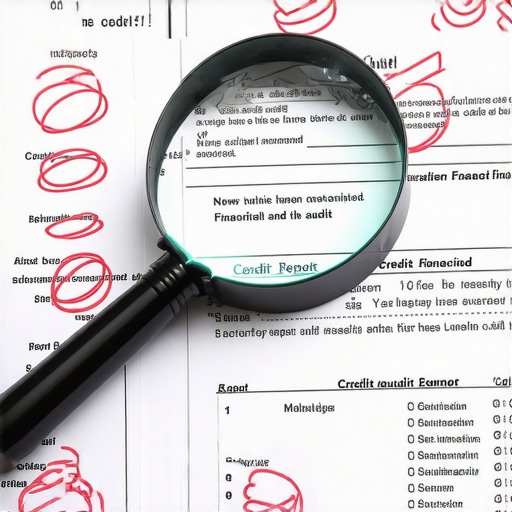
Stop the Automated Rejection Loop
The biggest hurdle in fixing your profile is the automated system the bureaus use to process disputes. If you just click a button on a website, a computer scanner (not a human) reads your claim. If it doesn’t find a specific keyword, it spits out a rejection. To win, you have to learn the method for beating automated dispute scanners at the bureau. This involves sending physical mail, often handwritten or typed with specific fonts, and including hard evidence like bank statements or cancelled checks. I once spent three months in an ‘automated loop’ because I kept using an online portal. The moment I switched to a physical mail strategy with a clear paper trail, the error was gone in 22 days. This is the difference between a amateur attempt and a professional approach.
Leverage Strategic Moves for Immediate Impact
While you wait for the bureaus to process your disputes, you can work on the factors you control directly. Many people think they need to pay off every cent to see a jump, but often, just shifting how your debt is reported makes a bigger difference. For instance, knowing how to get a credit limit increase without a hard credit pull can instantly lower your credit utilization ratio, which is 30% of your total score. I used this tactic back in 2019 when I was $2,000 away from a top-tier interest rate. Instead of paying down the balance—which I didn’t have the cash for at the time—I requested a limit increase on a card I’d had for five years. My utilization dropped from 40% to 25% overnight, and my score crossed the finish line. It’s about playing the numbers game with more precision and less guesswork.Most people think that if they owe a debt, the fastest way to a higher score is simply to pay it off. But here is the contrarian truth that lenders rarely mention: paying an old collection can actually sink your score further in the short term. This happens because most lenders still use the FICO 8 model, which, unlike the newer FICO 9, treats paid and unpaid collections with almost equal severity. When you make a payment on a debt that has been sitting dormant for years, you often trigger an update to the ‘Date of Last Activity.’ This tells the scoring algorithm that a negative event is fresh, essentially restarting the clock on the damage. Before you send a check, you must master the secret to negotiating a pay-for-delete agreement that sticks. Without that agreement in writing, you are essentially cleaning up your conscience but not your credit report.
The Hidden Price of Free Credit Counseling
Another common ‘trap’ involves non-profit credit counseling. We are conditioned to believe that ‘non-profit’ equals ‘safe,’ but [the risks of using a non-profit credit counseling agency](https://creditrenewals.com/the-risks-of-using-a-non-profit-credit-counseling-agency) are very real for your credit profile. Many of these programs enroll you in a Debt Management Plan (DMP) that requires you to close all your existing credit cards. While this might help you manage your monthly payments, it destroys your credit utility and shortens your average age of accounts—two of the [key credit score factors every borrower must know](https://creditrenewals.com/key-credit-score-factors-every-borrower-must-know). Furthermore, some lenders view participation in a DMP as a sign of financial instability, similar to a Chapter 13 bankruptcy filing, even if you are technically paying your debts back. Always learn how to avoid common pitfalls in credit counseling programs before handing over the keys to your accounts.
Why Does My Score Drop When I Do the Right Thing?
The frustration usually peaks when you try to be honest during a dispute. I see people all the time sending letters that say, ‘This isn’t mine, please remove it.’ That is a general denial, and the credit bureaus’ automated scanners are programmed to dismiss them as frivolous. To win, you have to employ the science of credit repair and use factual disputes instead. A study by the National Consumer Law Center highlights that credit bureaus often rely on automated ‘e-OSCAR’ systems that don’t actually look at your evidence. To bypass this, you must identify [the difference between a factual dispute and a general denial](https://creditrenewals.com/the-difference-between-a-factual-dispute-and-a-general-denial). For example, rather than saying a debt isn’t yours, find a specific clerical error—like a transposed digit in the account number or an incorrect ‘Date of First Delinquency’—and force the bureau to investigate that specific data point. When you shift from emotional pleas to technical audits, you start seeing the [boost-your-credit-score-in-2025-top-strategies-that-work](https://creditrenewals.com/boost-your-credit-score-in-2025-top-strategies-that-work) in real-time. Have you ever fallen into this trap where doing the ‘right’ thing actually hurt your score? Let me know in the comments.To move from a beginner’s luck score jump to a permanent financial fortress, you have to upgrade your toolkit. I stopped using those ‘one-click’ dispute apps years ago because they don’t provide the paper trail needed for high-stakes repairs. Instead, I built a physical ‘Credit Audit Kit.’ This includes a dedicated file for USPS Certified Mail receipts, a high-quality scanner, and a spreadsheet that tracks the ‘Date of Last Activity’ for every single negative item. To truly win, you must be more organized than the bureaus. When you have a solid document checklist for a successful credit dispute, you stop guessing and start proving. I personally recommend using the paid version of MyFICO to see your industry-specific scores—it’s the only way to avoid the ‘showroom surprise’ I experienced. It’s not just about the numbers; it’s about having the evidence ready when you need to learn how to handle a credit bureau that ignores your evidence. Without a physical paper trail, you are just a voice in a digital void.
Build a Paper Trail the Bureaus Cannot Ignore
The secret weapon in my arsenal is the Metro 2 format. Most people don’t know that the Consumer Data Industry Association (CDIA) maintains a strict technical standard for how data is reported. If a collection agency misses even one field in the Metro 2 data string—like an incorrect ‘Account Status’ code—the entire entry is technically inaccurate. This is where mastering credit disputes: a step-by-step guide to success becomes a technical exercise rather than a legal one. I once spent an entire weekend cross-referencing a debt buyer’s report against the Metro 2 manual, found three formatting errors, and had the item deleted within 14 days. This isn’t magic; it’s a technical audit. 
How do I maintain a high score without obsessing every day?
Maintenance is actually easier than the repair phase, but it requires a shift in strategy. You need to focus on the strategy for keeping your credit score high while carrying debt, which primarily involves ‘AZEO’ or All Zero Except One. This means you let one credit card report a small balance (under 3%) while all others report zero. It shows the algorithm you are active but not thirsty for credit. Also, never close your foundation accounts. You must understand why you should keep your oldest credit card open forever to preserve your length of credit history. Looking forward, the industry is moving toward ‘Trended Data’ (FICO 10T), which looks at your payment behavior over 24 months rather than just last month. This means consistency is becoming more valuable than quick fixes. My challenge to you today: pull your official reports and find one ‘Date of First Delinquency’—compare it to your own records. If they don’t match, you’ve found your first technical win.
The Hard Lessons I Learned Sitting in the Finance Office
Looking back at that day in the car dealership, I realized that my frustration came from a lack of technical knowledge. When I finally stopped taking the bureau’s rejections personally, everything changed. I discovered that I was often confusing the difference between a dispute and a request for information. While a dispute tells the bureau they are wrong, a request for information forces them to show their work—and often, they can’t. I also had to accept the reason your score did not jump after paying off your cards is usually because the algorithm needs time to see a pattern of low utilization rather than a one-time payment. These lightbulb moments moved me from being a victim of the credit system to being a master of it. Don’t let a single ‘verified’ response stop you; it’s just the first move in a high-stakes chess game.
Assemble Your Own Personal Credit Audit Kit
To win this game consistently, you need a physical system that mirrors the professionalism of the banks. I always keep the document checklist for a successful credit dispute printed and ready in a dedicated folder. This includes my identification, proof of residence, and every piece of correspondence from creditors. I also religiously follow the strategy for keeping your credit score high while carrying debt by ensuring my reported balances never cross the 10% threshold before the statement date. My most trusted resources are the official MyFICO forums for real-time data and the CFPB’s consumer complaint database when a bureau refuses to follow the law. These tools are the difference between a fluke high score and a permanent financial foundation that opens doors to low-interest loans.
Stop Waiting for the Bureaus to Fix Themselves
The credit bureaus are not your friends, and they aren’t going to fix your profile out of the goodness of their hearts. You must be your own advocate and treat your financial reputation with the same urgency you’d treat a medical emergency. Start today by applying boost-your-credit-score-in-2025-top-strategies-that-work to one single negative item on your report. Once you see that first deletion and watch your credit score climb, the momentum will carry you to the finish line. You deserve to walk into any bank with the confidence that the number on their screen matches the hard work you’ve put into your life. Have you ever been shocked by a massive score difference at a bank or dealership? Let me know your experience in the comments below.