
Disputing Errors on Your Credit Report: Quick Strategies for Better Scores
It hit me like a punch to the gut during those late-night Google searches—my credit report was a mess. Accounts I never opened, debts I paid off years ago, and errors that kept pulling my score down like an anchor. That moment of realization was a wake-up call, and I knew I wasn’t alone. If you’ve ever stared at your credit report, feeling overwhelmed and unsure where to start, you’re not alone. I remember the frustration of trying to fix things myself, only to make a few costly mistakes early on that set me back even further.
Why Disputing Errors Might Be Your Fastest Path to a Higher Credit Score
Here’s the truth—many people overlook the power of disputing credit report errors, yet it’s one of the quickest ways to see real improvements. Did you know that up to 30% of credit reports have inaccuracies? Those inaccuracies can be dragging your score down without your knowledge. By actively disputing and correcting these errors, you can unlock significant potential for score boosts. Trust me, early on, I made the mistake of ignoring small discrepancies, thinking they wouldn’t matter. But those little errors can pile up and hold your score hostage. Learning how to dispute errors effectively can open doors to better credit opportunities, lower interest rates, and more financial freedom. If you’re ready to take control, I’ll guide you through practical, proven strategies to dispute errors quickly and securely, so you can start seeing results in no time. Now, let’s dive into why many approaches fall short and how you can avoid common pitfalls to ensure your efforts pay off.
Identify Disputable Items with Precision
Start by obtaining a recent copy of your credit report from each major bureau—Equifax, Experian, and TransUnion. Review every entry carefully, like peeling layers of an onion, focusing on accounts, debts, and personal info. During my first attempt, I highlighted all discrepancies blindly, which delayed my progress. Instead, I learned to flag only items that clearly don’t belong to me or contain inaccuracies, such as wrong balances or outdated information. Accurate identification saves time and increases dispute success rate. For comprehensive guidance, check out this step-by-step dispute guide.
Gather Solid Evidence for Your Disputes
Once you’ve pinpointed questionable items, gather supporting documents—statements, receipts, or letters—that prove your claim. Think of this step as building a fortress of proof—without it, your dispute is vulnerable. In one case, I discovered a medical debt listed twice. I retrieved my medical bill showing payment, took a screenshot of my bank statement, and included these in my dispute. Having tangible evidence not only bolsters your case but also accelerates resolution. Learn more about assembling compelling proof at this resource.
Initiate Disputes Confidently
Log into each credit bureau’s online portal or send certified mail to start your dispute. Online portals often provide templates making this process straightforward—think of it as filling out a form to send your message to the bureau. During my first attempt, I chose online submission, which was quick, but I ensured to keep copies of all correspondence and confirmation receipts. When mailing disputes, use certified mail with return receipt requested to have a paper trail. This is like sending a registered letter in business—proof of submission can be crucial if conflicts escalate. For detailed instructions, visit this guide.
Follow Up and Track Your Disputes
Disputes aren’t instant; patience is essential. Regularly check the bureaus’ portals or your email for updates. Think of it as tracking a shipment—automatic alerts or manual checks keep you informed. If after 30 days there’s no resolution, follow up with a polite reminder. Sometimes, persistence is the key—like a gentle nudge that accelerates the process. Keep records of every interaction to protect yourself. For expert tips on maintaining momentum, review this resource.
Evaluate Results and Take Additional Action
When the bureau updates your report, review the changes meticulously. If errors are corrected, great—you’ve made progress. If some items remain disputed, consider escalating by submitting a dispute letter with new evidence or seeking professional assistance. Recognize that each successful correction adds to your creditworthiness—a bit like fixing leaks in a dam to prevent floods. In my experience, persistence paid off after multiple rounds, ultimately raising my score noticeably. To explore advanced strategies, visit this detailed guide.
Many assume that understanding credit reports and dispute processes is straightforward, but in reality, there’s a deeper level of nuance that can make or break your credit improvement efforts. A common myth is that correcting errors alone guarantees a higher score; however, expert insights reveal that the true challenge lies in *strategic prioritization* and *timing*. For example, disputing minor inaccuracies may seem beneficial, but focusing on large, impactful errors often yields faster results. Moreover, many believe that once errors are corrected, the job is done—yet, the *timing of credit report updates* and *credit score calculations* can introduce delays, making the process seem longer than necessary. According to a study by FICO, credit scoring models weigh recent account behaviors more heavily, so proactively managing new inquiries and account activity alongside error disputes can significantly boost your score more efficiently. Understanding these subtle dynamics can help you avoid common pitfalls, such as wasting time on low-impact disputes or neglecting the importance of credit utilization rates during the repair process.
### How can focusing on the right errors accelerate your credit repair?
By identifying and disputing high-impact errors—such as fraudulent accounts or outdated negative marks—you can see real improvements faster. This approach is backed by industry experts and often overlooked by novices who target smaller inaccuracies first. It’s crucial to understand that not all errors carry the same weight in credit scoring models; thus, prioritizing disputes that affect large credit components can lead to a more effective strategy. Additionally, combining error correction with proactive behavior, like reducing credit utilization or diversifying credit types, amplifies your results. To explore advanced dispute techniques tailored for maximum impact, consider reviewing comprehensive resources like The Ultimate Blueprint for Effective Credit Repair.
Keep in mind, credit repair isn’t just about fixing mistakes—it’s about understanding the *hidden factors* that influence your score and leveraging them strategically. Many fall into the trap of believing their work ends once errors are disputed, but the real progress happens when you align dispute tactics with ongoing credit management. Do you know which errors have the most significant effect on your score? If not, you might be missing out on a powerful opportunity to accelerate your credit journey. Have you ever fallen into this trap? Let me know in the comments.
Keeping it working: Tools and methods I rely on for long-term credit success
Staying consistent in credit management requires more than just good intentions; it demands the right tools and disciplined routines. Personally, I rely on a blend of software and strategic practices that help me monitor, dispute, and optimize my credit profile effectively over time. One essential tool I can’t do without is Credit Karma. It’s a free, user-friendly platform that provides real-time updates on my credit scores and detailed reports. I use it daily to track changes, identify sudden score dips, and flag any new inquiries or accounts that could impact my progress. Their alert system acts like an early-warning signal, allowing me to respond proactively rather than reactively.
In addition, I utilize Experian’s CreditWorks subscription for more comprehensive insights, especially when I plan to apply for new credit or need a deep dive into my report’s history. The premium features help me understand the factors influencing my score, including payment history, utilization rate, and recent inquiries. Understanding these elements is crucial because, as I’ve learned, maintaining a healthy credit score is a dynamic process that involves ongoing adjustments.
When it comes to dispute resolution, I prefer leveraging the online portals of the credit bureaus for speed, but I also keep a template dispute letter handy for complex issues. For example, when correcting outdated negative marks, I draft detailed letters referencing my supporting documents, like bank statements or payoff receipts, and send them via certified mail. This ensures a documented trail, which is vital if I need to escalate the dispute.
Most importantly, I schedule regular reviews—monthly or quarterly—to audit my credit reports, update my financial goals, or refine my dispute strategies based on recent score changes. These check-ins are part of my long-term plan to keep my credit profile in excellent shape, especially as new accounts open or close, and circumstances evolve.
How do I maintain my credit health over time?
Consistency is key. I set calendar reminders to review my reports and dispute any inaccuracies immediately. I also employ advice from credit counseling experts to stay aligned with best practices. As technology advances, I predict we’ll see even more sophisticated tools—like AI-driven analytics—that can predict the impact of upcoming financial decisions before they happen, allowing for smarter planning. Right now, one effective technique is to regularly simulate how new credit inquiries or debt payments could affect your score, using tools like MyFICO.
Don’t forget, staying proactive means trying out these advanced tips periodically. For example, take advantage of free credit monitoring features and automatically flag suspicious activity. A good starting point? Try setting up automatic alerts for changes in your credit report as I do. This way, you never get caught unaware and can address issues swiftly—an approach that keeps your progress sustainable and resilient over the years.
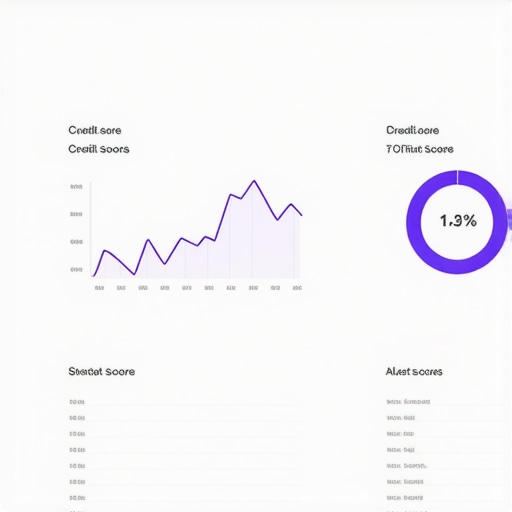
Imagine a sleek dashboard displaying your credit score trends, recent disputes, and alerts—this visual overview is exactly what I rely on to keep my financial health on track. A dedicated platform with a customizable interface like this simplifies the tedious process of long-term credit management and empowers you to make smarter decisions every day.
Remember, technology is advancing rapidly, and staying ahead means embracing these tools. I encourage you to explore platforms like credit counseling services to learn how tech can integrate into your routine. Regularly trying out new features—like predictive analytics—can give you an edge in maintaining your excellent credit status. Take one step today: set up automatic alerts or review your report more frequently. This small investment in your ongoing credit health can yield big results in your financial future.
The Hardest Lesson I Learned About credit counseling,dispute errors,credit score,credit repair
One of the most valuable lessons I learned was that not all credit errors are created equal—focusing on high-impact inaccuracies, like fraudulent accounts or outdated negative marks, can dramatically speed up your credit improvement. I used to spend hours disputing minor discrepancies but realized that strategic prioritization yields faster results. Understanding which errors truly affect your score helps you allocate your effort wisely, turning a long journey into a swift ascent towards better credit health.
My Essential Toolkit for credit counseling,dispute errors,credit score,credit repair
Over time, I trusted platforms like credit counseling services and dispute guides to provide structured paths to success. These tools simplify complex processes, keeping me organized and proactive. I also rely on credit monitoring tools such as Free Credit Monitoring, which alert me to any sudden shifts, allowing timely corrective actions. Combining expert advice with reliable tech has been instrumental in maintaining my credit momentum.
Don’t Be Afraid to Start
Improving your credit isn’t just a technical process; it’s a transformative journey that requires courage and persistence. Every dispute, every good financial habit, brings you closer to financial independence. If I could do it, so can you. Embrace the tools, learn from setbacks, and celebrate progress—even small wins matter. Your credit score is a reflection of your financial discipline, and with consistent effort, it can become a powerful asset. Take that first step today, and remember—your future financial self will thank you. How prepared do you feel to begin your credit repair journey? Let me know below, and I’ll help you get started.
Reading this post really resonated with my own journey toward cleaning up my credit report. It’s true—those small discrepancies, like old addresses or outdated balances, can seem insignificant but actually hold back your entire score. I learned that targeted disputes focusing on high-impact items, such as old collections or unexplained inquiries, can make a much bigger difference in a shorter time frame. Personally, I found that maintaining a detailed record of all correspondence and supporting documents was key in speeding up resolutions. I’m curious, have others found any specific tools or strategies particularly helpful for prioritizing which errors to dispute first? I’m interested in hearing about experiences that have worked well for different people, especially when managing multiple disputes simultaneously.