

I remember sitting at my cluttered kitchen table three years ago, staring at a statement from my favorite rewards card with a mix of pride and growing dread. I had never missed a payment, yet my score was stagnant, and I felt like I was drowning in slow motion. I thought I was winning the game by keeping a balance to ‘show activity,’ but that $4,500 debt—hovering right around 80% of my limit—was quietly gutting my financial future. I was essentially subsidizing the bank’s next executive retreat while my own dreams of homeownership stayed parked on the curb. Today, I want to pull back the curtain on why that revolving balance is a much heavier anchor than you might think and how we can finally cut the rope together.
My $1,200 Mistake with a “Healthy” Balance
Early on, I fell for the myth that as long as I stayed under my total limit, I was doing fine. I didn’t realize that key credit score factors every borrower must know prioritize your utilization ratio above almost everything else. By carrying that high balance, I wasn’t just paying interest; I was signaling to every other lender that I was a high-risk gamble. Over twelve months, I calculated that I spent over $1,200 just on interest—money that could have been a vacation or a massive boost to my savings. It’s a bitter pill to swallow when you realize your grocery shopping habit or late-night Amazon hauls are being taxed at 24% APR by your own choice.
Does a High Balance Really Hurt If I’m On Time?
You might be thinking, “But I’m responsible! Why does the score care if I carry a balance as long as I pay the minimum?” This is the biggest hurdle for most of us to get over. The bureaus don’t see your intent; they see a percentage. When your utilization climbs, your score dives, even if your payment history is spotless. It’s frustrating to see why your score won’t budge despite paying down debt in small increments because the ‘debt-to-limit’ alarm bells are still ringing at the bureau offices. According to a report by the Consumer Financial Protection Bureau (CFPB), credit card interest and fees cost Americans over $120 billion annually, a staggering figure that proves how many of us are trapped in this cycle.
The Quiet Erosion of Your Borrowing Power
The real sting of a high balance isn’t just the monthly interest; it’s the opportunities you lose. When I finally went to apply for a car loan, I was shocked to find I was being quoted ‘subprime’ rates despite my decent income. I learned the hard way that your income level does not dictate your credit score; your behavior with debt does. Every dollar of that high balance was a red flag to the auto lender. If you want to see a real shift, you have to start applying the 2-point rule for lowering credit utilization to prove you don’t actually need the credit you’ve been given. Have you ever felt like you’re running on a financial treadmill, doing all the right things but never actually moving forward? Let’s talk about how to break that cycle by understanding the real math behind your monthly statement.
Stop Playing Defense with Your Monthly Statement
To stop the bleeding, you have to stop trusting that the credit bureaus have your best interests at heart. They are data aggregators, not your friends, and their reports are often riddled with ‘ghost’ entries that keep your score tethered to the ground. When I finally sat down to scrub my own report, I found a medical bill I had already paid and a retail card I didn’t recognize. I realized that to win, I had to dispute errors effectively a guide to correct your credit report became my manual for survival. You need to treat your credit report like a crime scene; look for the small inconsistencies in dates, amounts, and account numbers that shouldn’t be there.
Find the Errors Hiding in Plain Sight
Most people log into a free app, see a number, and close the screen. That’s like checking the oil in your car by looking at the hood. You need to download the full, multi-page disclosure from each bureau. I remember the first time I did this; I used a literal highlighter to mark every entry that looked ‘off.’ This isn’t just about big mistakes; it’s about the the paper trail that kills collection accounts for good. If a debt collector can’t produce the original contract, that debt shouldn’t be on your report. Period.
Why Your Signature is Your Best Weapon
Avoid the temptation to use those ‘easy’ online dispute portals provided by the bureaus. Why? Because those portals often force you to waive your right to re-dispute or limit the evidence you can upload. When I wanted to clear a ‘verified’ error that I knew was wrong, I stopped clicking buttons and started licking envelopes. I learned that why your dispute letter needs a real signature not a script is the difference between being taken seriously and being filtered out by an automated scanner. A physical letter sent via certified mail creates a legal timeline that the bureaus must respect. It’s an old-school move that still carries the most weight in a digital world.
Beat the Utilization Trap Without Spending a Fortune
Once the errors are cleared, you have to tackle the math of your balances. Most people wait until the end of the month to pay their bills, but by then, the bank has already reported your high balance to the bureaus. I started using the 300 pm rule for same day credit card payments to ensure my balance was recorded as low as possible. By paying down the card a few days before the statement actually closed, I ‘tricked’ the system into seeing a 5% utilization rather than the 80% I was actually using throughout the month. It cost me $0 in extra interest but gained me 40 points in sixty days.
When the DIY Method Reaches Its Limit
There is no shame in admitting when the debt is too heavy to lift alone. If you find yourself negotiating with aggressive collectors who won’t budge, it might be time to look at professional guidance. I’ve seen friends transform their lives by following an ultimate guide to credit counseling take control of your financial future. These programs can often negotiate lower interest rates that you simply can’t get as an individual. It’s about moving from a state of panic to a state of strategy.Let’s get one thing straight: just because a credit counseling agency has ‘non-profit’ in its name doesn’t mean it’s your financial fairy godmother. In my experience, many of these organizations are actually funded by the very banks you owe money to. It’s a conflict of interest that most people ignore. While they can help, you need to know the truth about most non-profit credit counselors before signing a Debt Management Plan (DMP). These plans can sometimes cause a temporary dip in your score because they often require closing your accounts, which kills your length of credit history. I’ve seen people lose 50 points overnight because they didn’t realize why closing a paid-off credit card is a huge mistake.
Stop Treating Paid and Deleted as Equals
The biggest myth I see is that ‘paying off’ an old collection will fix your score. If the entry stays on your report as a ‘paid collection,’ it’s still a negative mark that lenders see as a failure to meet original terms. To actually recover, you need to understand the difference between a paid collection and a deleted one. A deletion removes the stain; a payment just changes the color of the ink. If you’re dealing with complex errors, avoid the easy route. I’ve learned that the risks of using a bureau portal for complex disputes include losing your right to provide further evidence. Use the mail. 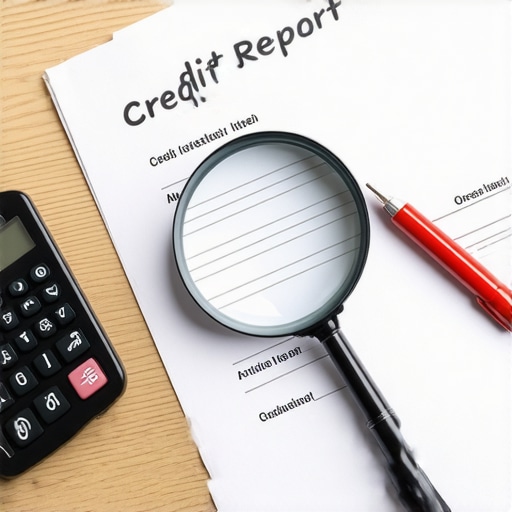
Will a Single Dispute Stop My Mortgage Closing?
Yes, it absolutely can. This is a nuance most ‘fast credit repair’ gurus won’t tell you. If you are in the middle of a home loan application and you trigger a dispute, the lender’s automated underwriting system might flag the account as ‘unreliable data’ and halt the entire process. You need to understand how a single dispute can delay your mortgage closing before you start firing off letters to the bureaus while house hunting. It’s a timing game as much as a math game.
The Dangerous Oops of Disputing Active Accounts
The most common mistake I see is ‘scorched-earth’ disputing. If you why you should never dispute an account you still use daily, you’ll find that banks are incredibly sensitive. If they see a dispute on an active line, they might just close the account to ‘protect’ themselves, leaving you with a higher utilization and a lower total limit. It’s a self-inflicted wound. Instead, you should focus on accuracy and dispute errors like a pro improve your credit with ease by targeting settled or closed accounts first. A study by the Federal Trade Commission (FTC) revealed that 25% of consumers identified errors on their credit reports that might affect their scores. This isn’t just about ‘cleaning up’ bad habits; it’s about demanding accuracy from a multi-billion dollar industry. You have to follow the ultimate blueprint for effective credit repair and realize that ‘verified’ doesn’t mean ‘correct.’ It just means the bureau’s computer talked to the bank’s computer and they both agreed on a mistake. Have you ever fallen into this trap? Let me know in the comments.Once you’ve done the heavy lifting of cleaning up the past, the real challenge begins: the boring, daily maintenance that keeps your score in the ‘elite’ tier. I used to think credit repair was a one-and-done sprint, but it’s actually more like tending a garden. If you stop pulling the weeds, they come back twice as fast. To stay on top, I rely on a specific stack of tools that go beyond the flashy graphs you see in most free apps. You need to know the easiest way to track your fico score for free because the ‘VantageScore’ most apps show you is rarely what a mortgage lender actually pulls. I personally use the MyFICO app for my ‘big picture’ monitoring because it shows me the specific FICO 2, 4, and 5 scores used in home buying, which are vastly different from the versions used for credit cards.
Your Free App Score Might Be Lying to You
It is a common frustration to see a 740 on your phone but get told you have a 690 at the dealership. This happens because there are dozens of scoring models. To truly unlock your credit score potential expert tips for 2025 suggest focusing on ‘Trended Data.’ This is the next big wave in credit reporting. According to John Ulzheimer, a credit expert who formerly worked at FICO and Equifax, the industry is moving toward models like FICO 10 T, which look at your behavior over the last 24 months rather than just a single snapshot in time. If you’ve been consistently paying more than the minimum for two years, your score will soon reflect that more heavily than it does today. This shift means that consistent, small wins are becoming more valuable than one-time balance dumps.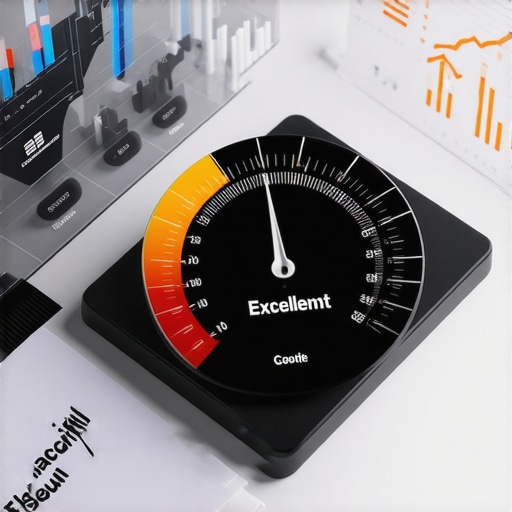
How do I maintain my credit score over time?
Consistency is the only ‘secret’ left in this game. I set up ‘Safety Net’ alerts on all my accounts. These aren’t just for payment reminders; I have alerts for any transaction over $100 and any balance that exceeds 10% of my limit. If you can boost your credit score in 2025 top strategies that work will require you to be proactive rather than reactive. I also suggest keeping a ‘Credit Crisis’ folder. This contains your most recent successful dispute letters and a copy of your credit report from before you started the repair process. If an old error reappears—a process known as ‘re-aging’—you’ll need that paper trail to shut it down immediately. You also need to have a plan for when life gets messy; knowing how to keep your credit healthy during a job loss is the difference between a temporary setback and a five-year recovery.
The Rise of Alternative Data and Your Rent
Looking ahead, I predict that ‘thin file’ borrowers will have a much easier time as alternative data becomes mainstream. We are already seeing a shift where why your rent payments might be the key to your first home is no longer just a theory but a reality through services like Experian Boost or UltraFICO. However, don’t let the convenience fool you. These tools often give the bureaus more data on your spending habits than you might be comfortable with. If you want to scale your score from the mid-700s to the 800s, you have to stop looking for shortcuts and start mastering the nuance of credit repair secrets proven steps to boost your credit score fast. My best advice? Pick one account this week—just one—and set it to autopay for the full balance, then move your ‘statement date’ to a day that aligns with your paycheck. This small bit of automation removes the human error that kills most scores. If you’re feeling overwhelmed by the technical side, I highly recommend seeing how credit counseling can transform your financial future to get a personalized roadmap that takes the guesswork out of the equation.
The Cruelest Myth I Believed About My Credit File
One of the biggest lightbulb moments in my journey was realizing that the credit bureaus aren’t government agencies looking out for the public good; they are private data retailers. They don’t have to be fair, they just have to be accurate—and unfortunately, the burden of proving that accuracy falls squarely on your shoulders. I spent years waiting for them to ‘fix themselves’ before I realized I had to be the one to how to dispute errors on your credit report and improve score by being relentlessly organized and keeping every receipt.
Another hard lesson? ‘Good enough’ credit is actually the most expensive credit you can have. When your score sits in the mid-600s, you aren’t being denied loans, but you are being quietly drained by interest rates that are double or triple what the elite-tier borrowers pay. Moving into that top bracket isn’t just about vanity; it’s about keeping thousands of dollars in your own pocket every year. Use top credit repair strategies to boost your score faster to bridge that gap between average and excellent and stop paying the ‘mediocrity tax’.
My No-Nonsense List for Rapid Recovery
If I had to start over tomorrow with a trashed file, I would only focus on three specific pillars. First, I would get a raw FICO report, not a Vantage summary, to see exactly what mortgage lenders see. Second, I would use dispute credit errors swiftly and securely in 2025 techniques by sending physical mail rather than clicking ‘dispute’ on a website. Third, I would look into how master credit counseling unlock your path to financial freedom could help me negotiate with the original creditors directly rather than just fighting collection agencies at the bureau level.
#IMAGE_PLACEHOLDER_E#
Your New Life Starts When You Send the First Letter
The anxiety of checking your score can be paralyzing, but remember that the numbers on that screen do not define your worth or your future potential. They are simply a snapshot of a game where the rules are finally in your hands. Taking the first step into credit repair is the hardest part, but once you see those first 20 points jump, the momentum becomes addictive. You have the tools, the templates, and the knowledge now to stop being a passenger in your financial life and start driving. Have you ever found a mistake on your report that felt impossible to remove? Let me know in the comments below.