

I remember standing in the checkout line at a big-box electronics store, clutching a new laptop like it was a prize. The cashier asked if I wanted to save 10% by opening a store card. I had a solid job and plenty of cash in my checking account, so I figured, why not? Two minutes later, the screen flashed a generic ‘Unable to Approve’ message. I felt about two inches tall. The clerk couldn’t tell me why, but the truth was simple: I didn’t exist in the eyes of the credit bureaus. I was a financial ghost. Being rejected when you know you are responsible is a special kind of sting, and I want to help you avoid that specific embarrassment. Today, we are going to walk through the exact steps to go from a blank slate to a shiny piece of plastic in your wallet.
The Day I Realized My Paycheck Didn’t Matter
When I started out, I made the classic mistake of thinking that a good income was the same as a good credit profile. I applied for a premium travel card right out of the gate, thinking my salary would carry me. It didn’t. I quickly learned why a high salary doesn’t guarantee a top-tier credit score. The banks aren’t looking at how much you make as much as they are looking at how you handle what you owe. Since I had never owed anything, they had no data to judge me by. It is a frustrating catch-22: you need credit to get credit. If you have ever felt like the system is rigged against you because you’ve stayed out of debt, you are not alone. Have you ever been denied for a card despite having a healthy bank account?
Can You Really Get a Card Without Help?
A lot of people think you need a rich uncle to co-sign for you or a massive deposit to get started. While those can help, they aren’t the only way. You can absolutely build a file from scratch by focusing on key credit score factors every borrower must know. It’s about proving your reliability in small, controlled ways. Even if you are starting from absolute zero, there are specific ‘starter’ products designed for people exactly like you. In fact, according to the Consumer Financial Protection Bureau, about 26 million Americans are ‘credit invisible,’ meaning they have no credit history at all. You aren’t an outlier; you’re just at the beginning of the journey.
Your Income Isn’t the Golden Ticket You Think It Is
One of the hardest pills to swallow was realizing that my ‘no-debt’ lifestyle was actually a hurdle. I used to brag about not having a bank account or any loans, but I eventually had to look into how to build credit when you have no bank account just to see where I stood. The truth is, lenders are more comfortable with someone who has managed debt poorly in the past than someone they know nothing about. It sounds backwards, but that’s the game we have to play. I also considered asking my parents to add me as a user on their cards, but you have to be careful because why authorized user status is a double-edged sword—if they miss a payment, your ‘zero’ history turns into ‘bad’ history overnight. We’re going to focus on building your own foundation so you don’t have to rely on anyone else’s habits.When I finally decided to stop being a ‘financial ghost,’ I walked into my local credit union and opened a secured card. It’s like a gym membership where you have to pay a deposit for the equipment before they let you use the weights. I put down $200 of my own money, which became my credit limit. I treated it like a delicate piece of glass, only buying a tank of gas once a month and paying it off immediately. Within six months, my score went from ‘not found’ to a respectable 680. It wasn’t magic; it was simply giving the algorithms the data they craved.
Why a Secured Card Is Your Best First Move
Think of a secured card as a safety net for the bank. You give them a deposit, and they give you a line of credit for that same amount. This is miles better than falling for the trap of retail cards, as why store credit cards are more dangerous for your score becomes clear when you realize they often carry predatory interest rates and tiny limits. With a secured card, you are in total control. The secret is to follow the rule for using credit cards without paying interest: you must pay the full statement balance every single month. I used to set a recurring alarm on my phone to make sure I followed the 300 pm rule for same day credit card payments so I never risked a late fee that would haunt my new file.
Put Your Rent and Utilities to Work for You
If you have been paying a landlord for years, you have been building someone else’s equity without getting any credit for your own reliability. You can change that by learning how to get your landlord to report your rent payments. It turns a massive monthly expense into a consistent gold star on your report. Similarly, why your utility bills are the easiest way to boost scores is often overlooked by beginners. Modern tools can scan your bank account for these history-making payments and add them to your credit file almost instantly. It’s the lowest-effort way to prove you can handle recurring obligations without actually taking on a single cent of new debt.
The Forced Savings Strategy for Invisible Borrowers
If the idea of a credit card still feels too risky, look into a credit builder loan. It is essentially a bank loan in reverse. You don’t get the money upfront; instead, the bank puts the ‘loan’ into a locked savings account. You make monthly payments, they report those payments to the bureaus as successful loan management, and once the term is up, you get the lump sum of cash back. It is a savings account that builds your reputation simultaneously. When I was starting out, I combined this with my secured card, creating a ‘mix’ of credit types that showed lenders I wasn’t just a one-hit wonder.
Once you’ve moved past the ‘financial ghost’ stage and started building a file, you enter a much more dangerous territory: the maintenance phase. Most people think that once they have a score, the hard work is over. In reality, this is where a single technicality can wipe out months of progress. I’ve seen people work tirelessly to pay down balances only to be shocked when their score doesn’t move an inch. If you’ve ever wondered why your score didn’t move after paying off debt, it’s usually because the credit bureaus’ algorithms prioritize the existence of a negative event over its current balance.
Don’t Fall for the One-Click Dispute Trap
Everyone tells you that if you see a mistake, you should just dispute it. But here is the contrarian truth: the ‘Easy Dispute’ buttons you see on credit monitoring apps are a trap. When you use those portals, you often waive your right to a full investigation under the Fair Credit Reporting Act (FCRA) and lose the ability to provide physical evidence. You must understand the risks of using a bureau portal for complex disputes before you click anything. In my experience, the only way to ensure a bureau actually does its job is through paper trails and certified mail. If you want to dispute errors like a pro, you have to be willing to do the manual work the bureaus hope you’re too lazy to attempt.
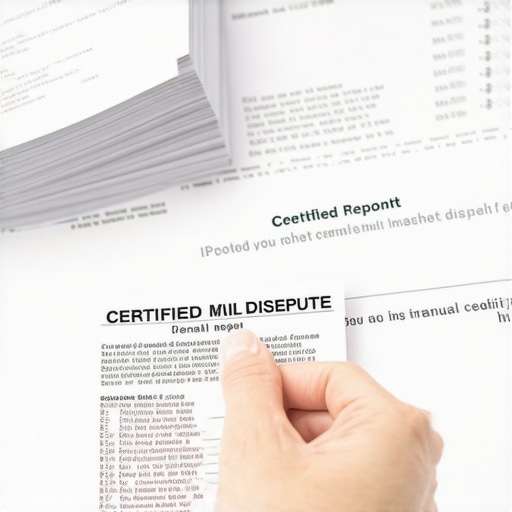
The Federal Trade Commission (FTC) released a landmark study showing that 5% of consumers had errors on one of their three major credit reports that could lead to them paying more for products like auto loans and insurance. This isn’t just about ‘cleaning’ a report; it’s about accuracy. However, a common ‘oops’ factor for beginners is disputing an account that is actually helping their average age of credit. If you never dispute an account you still use daily, you avoid the risk of the bank simply closing the account during the investigation, which can tank your score instantly.
Why did my score drop after paying off that old collection?
This is the most sophisticated hurdle for those rebuilding. You might think paying a $500 collection from three years ago is a win. But in the eyes of the FICO 8 model—the one most lenders use—a paid collection is often just as damaging as an unpaid one because the ‘date of last activity’ gets updated. This makes the negative event look ‘fresh’ to the algorithm. This is why understanding the difference between a paid collection and a deleted one is vital. You should always aim for a ‘pay for delete’ agreement rather than just settling the balance, or you might find yourself with a $0 balance and a score that just dropped twenty points.
The Truth About Professional Guidance
When the DIY route feels overwhelming, people often look for professional help. But beware of the ‘repair’ firms making big promises. There is a huge distinction between credit repair and credit counseling. I’ve found that why credit counseling is often better than debt settlement boils down to how it appears to future mortgage lenders. A debt management plan through a non-profit shows a good-faith effort to pay back what you owe, whereas settlement is a red flag that you might walk away from your obligations again. Have you ever fallen into this trap or been misled by a ‘quick fix’ promise? Let me know in the comments.
Once you have moved past the initial cleanup, the strategy changes from defense to offense. I personally use a combination of a dedicated FICO monitoring service and a physical ‘Credit Bible’—a simple folder where I keep every single ‘account closed’ letter and ‘paid in full’ receipt. You might think this is overkill, but the hidden trap in your free credit score app is that they often use outdated VantageScore models that do not reflect what a mortgage lender actually sees. To stay ahead, I rely on the easiest way to track your FICO score for free, which is usually found right inside your primary banking app. If you are not looking at your ‘bank-card enhanced’ FICO 8 or 9, you are looking at a different game entirely.
The Specific Tools I Use to Stay Above 800
I do not just trust an algorithm to keep me safe. I use ‘The Freeze’ as a primary maintenance tool. I keep all three of my reports frozen at all times to force intentionality with new applications and to stop identity theft in its tracks. When I need to dispute credit errors swiftly and securely in 2025, I already have a clean slate to work from. Beyond that, I automate everything. I do not just set up autopay for the minimum; I set it for the full balance. If you are still doing this manually, you are one forgotten password away from a 100-point drop.
How do I maintain these results for the next decade?
Maintaining credit health is about consistency over intensity. I suggest a quarterly ‘Audit Day’ where you pull your raw reports from AnnualCreditReport.com and compare them against your banking statements. This is how you catch those ‘ghost’ subscriptions or misreported late fees before they fester. If you find the technical side overwhelming, understanding credit counseling can provide the roadmap for this long-term stability without the stress of doing it solo. Consistency is the only thing that proves to a bank that you are a safe bet for a thirty-year mortgage.
Why AI Is Changing the Way Your History Is Scanned
Looking toward the future, we are seeing a massive shift toward FICO 10T and trended data. According to credit expert John Ulzheimer, formerly of FICO and Equifax, the industry is moving away from static ‘snapshots’ and toward behavioral ‘narratives.’ Lenders now look at your balances over the last 24 months to see if you are ‘transacting’ or ‘revolving’ debt. This means you need to unlock your credit score potential by staying consistent, not just fixing things when you need a loan. If your habits are erratic, even a high score might be flagged by new AI underwriting models that prioritize stable payment patterns over raw numbers. I want you to take one specific action today: find your ‘Statement Closing Date’ (not the due date) and use the mid-month payment move that lowers your utilization. By paying just five days before that closing date, you trick the algorithm into reporting a $0 balance, even if you spend thousands every month. It is the single fastest way to navigate dispute errors with confidence and see your score jump without spending an extra dime.
Three Hard Truths About the Credit System I Learned the Hard Way
Reflecting on my journey from that embarrassing rejection at the electronics store, I’ve realized that the credit game is 90% psychology and 10% math. One of the biggest shifts for me was realizing that top strategies that work often involve doing the things the bureaus hate, like keeping balances at zero even when you have a high limit. I also learned that you can’t just set it and forget it. If you want to master credit disputes, you have to treat it like a part-time job for a few months until your record is clean.
Another ‘lightbulb moment’ was seeing my score as a shield. It’s not just for buying things; it’s for protecting your lifestyle and ensuring you never have to beg for a fair interest rate again. By following the ultimate blueprint for effective credit repair, I stopped being a victim of the system and started making the system work for me.
The Only Tools You Need to Stay Ahead of the Bureaus
I don’t believe in paying for expensive ‘monitoring’ subscriptions that just give you fluff. Instead, I rely on a few specific resources. First, I use the raw data from AnnualCreditReport.com every four months (rotating through the three bureaus). Second, I always have a copy of the ultimate guide to credit counseling on hand to share with friends who are struggling with debt. It’s a much safer path than settling for most people.
I also highly recommend using proven steps to boost your credit score fast by keeping a physical ‘Credit Bible’ folder. Digital files are great, but there is something about having a certified mail receipt in your hands that makes you feel powerful when dealing with collectors. Lastly, don’t ignore your banking app’s free FICO tool; it’s the most accurate daily snapshot you’ll get.
Take the First Step Toward Your Financial Reset
The transition from a ‘financial ghost’ to a credit pro doesn’t happen in a single afternoon. It is a series of small, intentional wins. Whether you are learning proven repair techniques for 2025 or simply paying your gas bill on time, every action counts. Don’t let the fear of a rejection letter stop you from building the foundation you deserve. You have the knowledge now; all that’s left is the execution. Have you ever been surprised by an error on your report that you didn’t know was there? Let me know in the comments below!