

I remember the cold sweat that broke out when my card was declined at a grocery store. It wasn’t because I didn’t have money in the bank; it was because my debt-to-credit ratio had completely suffocated my credit score. I had fallen for the classic trap: the retail cashier’s “Would you like to save 15% today?” pitch. That tiny discount cost me nearly 100 points on my score and led to years of learning how to dispute credit errors just to get back to level ground. I was naive. I thought credit was credit, but store cards are a whole different beast that can bite you when you least expect it. Today, I want to pull back the curtain on why that plastic in your wallet might be doing more harm than good and how you can fix it.
Why Your Favorite Store Is Quietly Killing Your Credit
Many of us treat store cards like coupons, but they report to the bureaus just like a mortgage or a high-end Visa. The problem is their limits are usually tiny. If you have a $500 limit and buy a new vacuum for $450, you are at 90% utilization on that account. I made the mistake of thinking my electronics store card was “just a small account,” but it was the biggest anchor dragging my score down. It’s a common misconception that [carrying a balance will boost your score](https://creditrenewals.com/the-hidden-costs-of-carrying-a-balance-to-boost-your-score), but the reality is quite the opposite. When your utilization spikes, lenders see you as a high-risk borrower, no matter how much money you make.
Is a single store card really going to wreck my future?
It sounds like an exaggeration, but the math doesn’t lie. According to research from Bankrate, the average retail credit card interest rate has soared past 30%, which is significantly higher than the average for general-purpose credit cards. When you combine high interest with high utilization, you’re in a financial pressure cooker. Have you ever looked at your monthly statement and realized the interest charge was actually more than the minimum payment you just made? It’s a cycle that feels impossible to break. Beyond the interest, you need to [know the key credit score factors](https://creditrenewals.com/key-credit-score-factors-every-borrower-must-know) to understand that “amounts owed” accounts for a massive 30% of your FICO score. One maxed card can outweigh ten on-time payments. I’ve lived through the frustration of a stagnant score, and I promise there is a way out that doesn’t involve winning the lottery. We are going to dive into why [store cards are more dangerous for your score](https://creditrenewals.com/why-store-credit-cards-are-more-dangerous-for-your-score) than you think and the exact steps I took to reclaim my financial freedom.
Stop Guessing and Start Auditing Your Reports
The first thing you have to do is stop looking at the ‘estimated’ scores on your banking app. Those are often marketing tools that don’t show you the full picture. You need to look at your actual reports from the big three bureaus. I personally used the easiest way to track your fico score for free to get my baseline. When I finally saw my raw report, I realized my store card was being reported twice—once by the store and once by a third-party bank. This ‘double reporting’ made it look like I was twice as broke as I actually was. If you see this, you must learn how to delete a duplicate collection entry in 30 days or a duplicate account entry immediately. Identifying these specific errors is the only way to stop the bleeding.
The Reporting Date Hack That Beats the System
Most people think paying their bill on the due date is enough, but that’s a rookie mistake. Your credit card company reports your balance to the bureaus on a specific day, usually a few days after your statement closes. If you wait until the due date to pay, the bureaus have already seen your high balance. I started using the mid-month payment move that lowers your utilization to trick the system. By paying my balance down to 5% a week before the statement closed, the bureau received a report of a low balance, even though I was still using the card. This is part of the 300 pm rule for same-day credit card payments that ensures your data is updated in your favor. It’s like cleaning your house right before the guests arrive instead of after they leave.
Challenge Mistakes Like a Professional
When you find an error on that store card—whether it’s a late fee you didn’t owe or a balance that won’t update—do not use the online ‘dispute’ button on the bureau’s website. I made this mistake with a $200 retail account. I clicked the button, and within 48 hours, they ‘verified’ it. The online system is mostly automated and designed to favor the lender. Instead, you need to understand why certified mail is the only way to send a dispute. When you send a physical letter, a human has to look at your evidence. I eventually sent a packet with my bank statements and a clear explanation of the error. Following how to dispute errors on your credit report and improve score, I saw that negative mark vanish in 25 days.
Why You Should Never Close the Card After Paying It Off
It is tempting to cut up that retail card once the balance is zero, but why closing a paid off credit card is a huge mistake comes down to your credit age. When I closed my first department store card, my average credit age dropped from six years to three years. My score tanked overnight. Keep the card open, but don’t use it for anything more than a pack of gum once every six months to keep it active. If the math feels overwhelming, looking into master credit counseling unlock your path to financial freedom can provide a structured plan to manage multiple high-interest retail accounts without destroying your history.Let’s dig deeper into the nuances that most ‘credit gurus’ overlook. Everyone tells you to dispute every negative item on your report the moment you see it, but that blanket advice is actually quite dangerous. In my experience, the ‘dispute everything’ shotgun approach often backfires because of a hidden trap: why you should never dispute an account you still use daily. When you challenge an active account, the creditor might simply choose to close the line of credit to avoid the administrative headache of the dispute process. You might win the tiny battle by removing a minor late payment, but you’ll lose the war when your average age of accounts and total available credit plummet. To dispute errors like a pro, you must be surgical, targeting only closed or stagnant accounts that have no future utility.
Why your score didn’t move after paying off debt
It’s one of the most frustrating moments in personal finance: you scrape together thousands of dollars, pay off a high-interest store card, and your score stays exactly where it was—or even worse, it drops. This often happens because of the way FICO calculates ‘revolving utilization.’ If you pay off a debt but don’t address other underlying factors, the algorithm might not reward you immediately. I’ve seen countless cases where why your score didn’t move after paying off debt was simply a matter of reporting timing or the presence of a ‘trailing’ interest charge that kept the utilization high for one more reporting cycle. 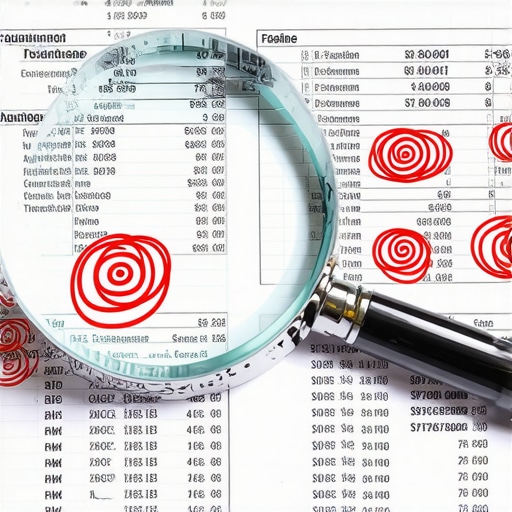
The Truth About Credit Counseling and Your Mortgage
Another common myth is that entering a debt management plan (DMP) is a death sentence for a future home loan. Most people think lenders see credit counseling as ‘bankruptcy lite,’ but that couldn’t be further from the truth. Research from the National Foundation for Credit Counseling (NFCC) suggests that clients who complete counseling often see significant score increases over time because they establish a pattern of consistent, on-time payments. In fact, why credit counseling plans can sometimes help your mortgage odds is because manual underwriters often value the discipline it shows. If you’re struggling with high-interest retail debt, checking out an ultimate guide to credit counseling take control of your financial future is a far smarter move than falling for the truth about fast credit repair firms making big promises. Real progress is built on the science of credit repair expert advice to elevate your score, not magic tricks. Have you ever fallen into this trap? Let me know in the comments.Once the dust settles on your initial disputes, you enter what I call the ‘hyper-maintenance’ phase. I don’t just rely on apps; I use a custom-built Google Sheet that tracks the specific reporting dates for every single line of credit I own. Why the obsession? Because the industry is shifting. Consumer finance expert Gerri Detweiler has pointed out that the newer FICO 10T model is designed to look at ‘trended data’—meaning the bureaus aren’t just looking at your score today, but whether your balances are trending up or down over the last 24 months. This is why following the ultimate blueprint for effective credit repair isn’t a one-and-done event; it’s a lifestyle of data management. If you want to boost your credit score in 2025, you have to realize that the ‘snapshot’ era of credit is dying.
Stay on Top of the Game Every Single Month
Managing this data requires precision. I personally set calendar alerts for three days before my statement close date—not the due date. This allows me to implement the 2-point rule for lowering credit utilization across every card. By ensuring the bureau receives a report of 2% or less, I keep my FICO 8 and 9 scores in the ‘exceptional’ bracket. If you ever see a sudden, unexplained drop, don’t panic and start clicking dispute buttons. Use fast credit repair tips navigating dispute errors with confidence to first diagnose if it’s a simple reporting lag from a holiday weekend or a genuine ‘zombie debt’ reappearance.
How do I keep my score from dipping again?
Consistency is your shield. I predict that by 2026, we’ll see widespread adoption of real-time reporting where credit scores fluctuate daily based on your bank balance and spending. To prepare, you need to unlock your credit score potential expert tips for 2025 which include ‘bill smoothing’—paying half your credit card bill every two weeks. This keeps your average daily balance low, which is a hidden metric many lenders use for internal scoring. #IMAGE_PLACE_HOLDER_D#
The one tool I actually pay for
While there are dozens of free options, I exclusively recommend MyFICO for anyone serious about a mortgage or a major auto loan. It is the only platform that gives you access to all 28 versions of your FICO score. Free apps usually give you a VantageScore, which is almost never used by mortgage lenders. When you need to dispute errors effectively, you need to know exactly which FICO version the error is affecting. Think of credit repair secrets like a game of chess; you can’t win if you’re looking at the wrong board. Try this advanced tip tonight: call your card issuers and ask them to move your billing cycle to the 1st of the month. Having all your cards report on the same day makes your utilization management a 10-minute task once a month instead of a daily headache.
The Brutal Truth I Learned the Hard Way About Retail Lines
Reflecting on my journey, the most painful realization was that I wasn’t just fighting a high balance; I was fighting an algorithm designed to reward stability over speed. I learned that retail cards are often ‘secondary’ priorities for big banks, meaning they are the first to have limits slashed during economic shifts. Another lightbulb moment was realizing that ‘no interest for 12 months’ is a psychological anchor; if you don’t pay it off by month 11, many stores back-date the interest for the entire year, wiping out any progress you made. Finally, I discovered that the best way to dispute credit errors swiftly and securely in 2025 is to treat the process like a formal legal audit rather than a simple customer service request.
My Personal Arsenal for Beating the Credit Bureaus
I don’t recommend tools lightly, but there are three things I won’t do without. First, MyFICO is the only way to see the 28 different scoring versions lenders actually use. Second, I keep a physical ‘Dispute Bible’—a binder containing every certified mail receipt and every response from the bureaus. Lastly, I rely on the science of credit repair expert advice to elevate your score to stay ahead of the new FICO 10T trended data models. If you find the DIY path too steep, exploring credit counseling secrets achieve financial freedom in 2025 can provide a structured roadmap to consolidate retail debt and protect your history from further damage.
Your New Chapter Starts Without the High-Interest Anchor
You are more than a three-digit number, and those retail accounts do not have to define your financial future. By applying improve your credit score with proven repair techniques in 2025, you are taking back control from predatory interest rates and automated reporting errors. It takes time and discipline, but the sense of relief you feel when you walk into a bank with a clean, high-tier credit report is worth every letter you mail. Keep pushing forward, because your financial freedom is built one smart decision at a time. Have you ever felt like a single store card was holding your entire credit score hostage? Let me know your experience in the comments below.