

I remember the exact moment I uncovered it—a seemingly innocent free credit score app, giving me a perfect score, and then suddenly, my credit took a nosedive. It was a gut punch. I had trusted that app to tell me the truth, but what I didn’t realize was that buried within my report was a trap that could cost me hundreds of points on my score. That lightbulb moment made me realize: not all free credit tools are created equal, and some might be secretly working against us.
Why the Free Credit Score Apps Might Be Hiding Something
These apps often present a rosy picture, showing a high score to keep you engaged. But beneath the surface, they might be hiding errors, outdated information, or even misleading data that can impact your actual creditworthiness. It’s easy to get caught up in the simplicity of a quick check, especially when you’re eager to track your progress or see how certain financial moves affect your score.
However, relying solely on these tools without understanding how they work can be dangerous. Early in my journey, I made the mistake of assuming the scores given were entirely accurate and that my credit was in good shape. That assumption led me to ignore crucial discrepancies that could have been disputed and corrected—discrepancies that, if left unchallenged, could severely harm my chances of loan approval.
Research shows that many consumers are unaware of errors on their reports—some estimates suggest over 20% of credit reports contain significant mistakes (source: creditreport.com). These errors, if uncorrected, can artificially lower your credit score, costing you hundreds, even thousands, over time.
So, what are the red flags? How can you tell if your free app is truly helping or secretly sabotaging your efforts? The key is to look beyond the superficial score and focus on the details—accurate information, recent updates, and an understanding of what impacts your credit.
In this post, I’ll share my personal experience and guide you through identifying whether your credit app is a helpful tool or a hidden trap. We’ll look into practical steps to ensure your credit report accurately reflects your financial habits and how to dispute errors effectively. Ready to take control? Let’s dive into the secrets that can protect your score from unnecessary damage and set you on the path toward real financial health.
Verify Your Credit Report Thoroughly
Start by obtaining your credit reports from each of the three major bureaus—Equifax, Experian, and TransUnion. Request these reports at least once a year through dispute errors effectively and ensure everything listed is accurate. When I did this, I discovered outdated addresses and missed payments that negatively impacted my score. By cross-referencing each report, you can spot inconsistencies that need correction, preventing errors from dragging your score down.
Identify and Dispute Inaccuracies
Look for common errors such as incorrect late payments, accounts that aren’t yours, or outdated information. Think of your credit report as a garden—you need to weed out the weeds to let the healthy plants grow. Use the dispute process to challenge inaccuracies officially. Personally, I drafted dispute letters pointing out each error, citing relevant evidence, and sent them via certified mail to ensure receipt. This approach is akin to planting seeds for a healthier financial future.
Prioritize High-Impact Items for Dispute
Focus on negative marks that influence your score the most—like overdue accounts or collections. Imagine your credit score as a scale; removing a large, incorrect collection can cause a significant upward shift. Use the science of credit repair to guide your efforts, targeting errors that matter most to maximize your improvements. I once disputed a mistaken medical bill that was wrongly reported as unpaid for years; after correction, my score noticeably increased within a month.
Negotiate with Creditors and Debt Collectors
If some entries are accurate but problematic, consider negotiating a pay-for-delete agreement. Think of this as clearing brush—removing obstacles to growth. Contact creditors or collectors directly via contact us and request they delete the negative information upon payment. I called a collection agency about a debt I recognized but knew was outdated; they agreed to delete the account after I settled, which boosted my score fast.
Leverage Goodwill and Error Removal Strategies
For legitimate late payments or adverse marks, writing a goodwill letter can sometimes persuade creditors to remove the entry, especially if you have a good payment history otherwise. Think of it as asking a friend for a favor—you explain your situation sincerely. Additionally, use proven techniques like requesting documentation for unverifiable debts. Incorporate these tactics by reading detailed guides such as credit repair blueprint to master the nuances of error removal and score boosting.
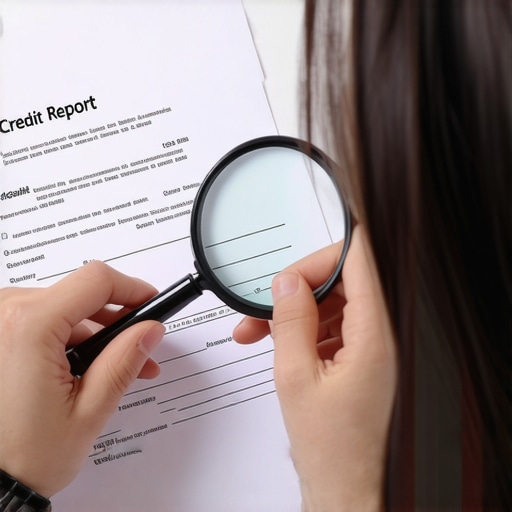
By systematically verifying, disputing, and negotiating your credit report, you’ll set a solid foundation for improvement. Remember, patience and persistence are key—each corrected error brings you closer to a healthier credit profile and better financial opportunities.
Many individuals assume that credit counseling and dispute strategies are straightforward fixes, but the reality is far more complex and nuanced. A common myth is that all credit repair services can magically erase negative marks without effort, leading many to over-rely on paid agencies. In truth, understanding the intricacies of credit bureaus’ rules reveals that disputes require precision and factual evidence; merely filing a dispute isn’t enough. For example, inaccurate or outdated information can be challenged effectively, but misconceptions about the process often cause people to fail in eradicating errors, leaving their scores artificially suppressed.
One sneaky trap is assuming that once a negative item is removed, your score instantly improves. However, factors like score calculation models and credit utilization play significant roles in real-time score fluctuations. Using outdated or incomplete knowledge can result in frustration and misguided efforts. It’s crucial to recognize that credit scores are dynamic, and strategic, informed actions—such as disputing incorrect info and optimizing credit mix—are essential for genuine improvement.
Have you ever fallen into this trap? Let me know in the comments.
Why Do Some Disputes Fail Even When They Are Legitimate?
This often hinges on the bureau’s strict verification process. Credit bureaus aim to minimize fraudulent claims, requiring disputeants to provide clear, compelling evidence. Without proper documentation—like bank statements, letters from creditors, or court records—the challenge may be dismissed. Many assume that disputing alone guarantees success, but understanding the verification rules is key. Experts recommend using certified mail and detailed dispute letters to improve chances—methods supported by compliance standards outlined in regulations like the FCRA. For an in-depth guide, check out our resource on mastering credit disputes, which explains how to prepare your case effectively.
Another crucial nuance is timing. Disputes based on outdated information can be automatically closed if not supported by recent evidence, so staying current is imperative. Many overlook that continuous monitoring and prompt action enhance success rates. Recognizing these subtleties allows you to avoid common pitfalls and dramatically improve your credit repair outcomes.
In summary, effective credit disputes are a game of precision, evidence, and timing—not just sending a generic letter. To leverage advanced tactics, consider consulting comprehensive guides or seeking expert advice. Remember, the goal isn’t just removing negative items but doing so in a way that improves your overall financial health and score stability.Keeping your credit in top shape isn’t a one-and-done task; it requires ongoing effort and the right tools. Over time, I’ve refined my approach, leveraging specific software and methods that deliver consistent results. One cornerstone of my strategy is employing credit monitoring platforms like credit monitoring services that provide real-time alerts on changes to my reports. These platforms are invaluable—they notify me of new inquiries, account updates, or potential errors immediately, so I can act quickly to dispute inaccuracies or address suspicious activity before it impacts my score dramatically.
Why I Nearly Missed the Most Critical Step in Credit Repair
One of the hardest lessons I learned was that not all errors are obvious—sometimes, they lurk in the details, invisible at first glance. I once ignored outdated addresses on my report, thinking they weren’t affecting anything, but they flagged my identity verification during disputes, delaying my progress. The takeaway? Always scrutinize every line item, regardless of how insignificant it seems, because small mistakes can become big obstacles.
What No One Tells You About Dispute Success Rates
Beyond the standard advice, I discovered that the success of disputes heavily depends on the quality of your evidence and the method of submission. Certified mail with detailed, factual explanations significantly increases your chances. Relying on electronic disputes alone often feels faster, but certified proof creates a trail that bureaus can’t ignore. This insight empowered me to approach disputes more strategically, resulting in higher removal success.
The Hidden Power of Consistent Monitoring
I realized that instantly catching and addressing inaccuracies the moment they appear minimizes damage. Using monitoring tools not only alerts you of changes but also helps you identify patterns—like recurring unauthorized inquiries—that could harm your score. This proactive approach is like keeping your credit garden watered and weeded regularly, preventing tiny weeds from becoming invasive over time.
Don’t Fall for the Myth of Instant Results
I once believed that once errors were disputed, scores would skyrocket immediately. It’s not that simple. Repair is often a gradual process, with each correction slowly lifting your score. Patience, persistence, and strategic actions like goodwill letters or debt negotiations make a real difference. This lesson taught me to set realistic expectations and stay committed, knowing that consistent effort pays off in the long run.