Effective Credit Repair & Dispute Strategies for Lasting Trust in Your Score
I remember the exact moment I realized my credit score was holding me back more than I ever thought possible. It was late at night, I was frantically checking my reports after a missed opportunity—an auto loan I desperately needed but couldn’t qualify for. The frustration was real, and I felt stuck. I knew I needed a change, but the path to fixing my credit seemed overwhelming and confusing. I had made mistakes early on, like ignoring errors or not disputing inaccuracies, which only made things worse. That lightbulb moment drove me to learn proven strategies that actually work.
Why Your Credit Report Deserves Your Attention Now More Than Ever
In today’s world, your credit report isn’t just a number—it’s the key to unlocking your financial future. Whether you’re planning to buy a home, start a business, or even secure a good credit card, your credit score influences it all. But here’s the kicker: many folks overlook the importance of maintaining and repairing their credit until they face rejection or higher interest rates. That’s a costly mistake. According to a recent study by FICO, errors on credit reports are surprisingly common—up to 5% of reports contain inaccuracies that can harm your score. Recognizing and disputing these errors is essential in building lasting trust in your credit profile.
Trust me, I’ve been there—making early mistakes like ignoring disputed entries or rushing through reports without understanding the root issues. It’s a trap many fall into, but the good news is that effective strategies can turn things around. Today, I’ll walk you through the proven steps to repair and dispute your credit report, helping you establish a solid foundation for your financial goals.
Concerned About Wasting Time or Money? You’re Not Alone
Many people hesitate because they fear investing resources into credit repair that might not pay off. I did too, especially when I first started. But skipping the process only prolongs the pain and delays your progress. The key is to follow trusted, step-by-step methods. For a comprehensive guide, check out Mastering Credit Disputes: A Step-by-Step Guide. It’s packed with actionable tips to dispute errors swiftly and securely, saving you time and frustration.
Now that you understand why this matters, let’s dive into the core techniques that can help you turn your credit around. Remember, your credit report is a living document—regularly reviewing, disputing inaccuracies, and understanding the key factors that influence your score can lead to lasting trust and financial empowerment. Ready to take control? Let’s get started.
,
Pinpoint Errors with Precision
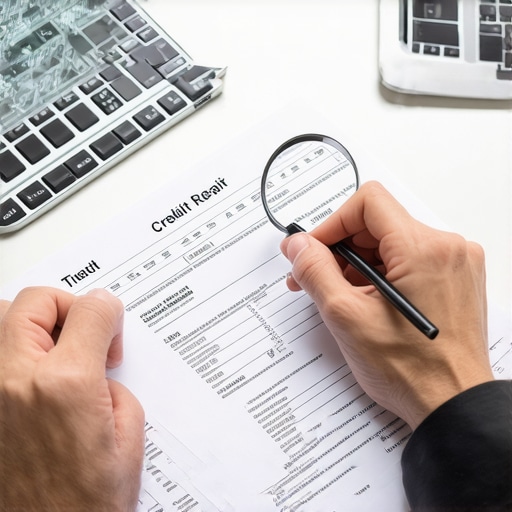
My first real breakthrough came when I decided to carefully review my entire credit report line by line. I set aside an hour, grabbed a highlighter, and started marking anything suspicious. For example, I found an old utility bill that was marked as paid but had a late payment note. This small error was dragging my score down. By disputing this specific mistake through the credit bureaus’ online portals, I saw my score climb within weeks.
Think of your credit report as a treasure map; errors are the hidden traps that can mislead your efforts. Use tools like dispute errors like a pro to identify and challenge inaccuracies efficiently.
Gather Evidence and Dispute Confidently
Once errors are identified, gather supporting documents—statements, payment confirmations, or correspondence—that prove your case. When I disputed a collection account, I attached proof of payment that the creditor had lost. This step is crucial; the more compelling your evidence, the stronger your dispute.
Disputing isn’t a guesswork game. It’s about presenting undeniable proof. Use dispute credit errors swiftly and securely to streamline your efforts and increase success rates.
Follow Up and Track Your Progress
Don’t just file disputes and forget about them. Keep a detailed log—dates, responses, and outcomes. I used a spreadsheet to track each dispute, which helped me spot patterns and prioritize remaining issues. If a bureau doesn’t respond within the specified period, follow up or escalate the dispute.
This persistent follow-up builds momentum. It’s like watering a plant: consistent effort yields growth. For a structured approach, consult effective dispute strategies for lasting trust.
Leverage Professional Help When Needed
If your disputes stall or you’re overwhelmed, consider professional credit counseling. Experts can navigate complex disputes and help you craft a strategic plan. I hired a credit repair specialist after my initial attempts plateaued. The results? My score improved faster, and I gained clarity on long-term credit health.
Remember, the goal is sustainable trust in your score, not just quick fixes. Explore how credit counseling can transform your future for more insights.
Many people approach credit repair with misconceptions that can actually impede their success. Let’s dig deeper into some of the most common myths and uncover the truths that can help you navigate this process more effectively.
Why Quick Fixes Are Usually a Trap
One widespread belief is that disputing errors or paying off debts will instantly skyrocket your credit score. While these actions are essential, they often take time to reflect positively on your report. Rushing into quick fixes without understanding the nuances can lead to frustration. According to a study by FICO, credit report updates can take anywhere from a few days to several weeks, so patience and strategic planning are key. Remember, sustainable improvement comes from consistent, long-term habits—not quick fixes. For more detailed strategies, check out effective credit repair strategies.
Myth: All Negative Items Are Permanent
A common misconception is that negative marks like late payments or collections will stay on your report forever. In reality, most negative items age out after seven years, and some even sooner. Disputing outdated or incorrect entries can drastically improve your score. But beware: disputing accurate, older entries won’t erase them; instead, focus on correcting errors and demonstrating responsible credit use over time. This is where understanding the key credit score factors becomes crucial.
Does Paying Off Collections Always Help?
Many believe paying off collections will immediately boost their credit. While paying collections is generally positive, it doesn’t always lead to an instant increase. Sometimes, settling a collection can even temporarily lower your score because of changes in account status. The best approach is to consider whether settling aligns with your long-term goals and to consult trusted resources like dispute strategies for optimal results.
Have you ever fallen into this trap? Let me know in the comments. Remember, understanding the actual mechanics of credit repair helps you avoid costly mistakes and accelerates your journey toward a healthier credit profile.
Keeping It Working Now and Later
Once you’ve successfully repaired your credit, the real challenge begins: maintaining your good score over the long term. It’s not enough to dispute errors once; you need a reliable system and the right tools to keep your credit healthy and growing. In my experience, leveraging specific software and adopting disciplined habits are game-changers. Let me share the tools I personally rely on to stay ahead.
Automated Credit Monitoring Services
I use Credit Karma daily to keep an eye on my credit report. It provides free, real-time updates and alerts for any significant changes, such as new inquiries or account status updates. This ongoing vigilance helps me spot fraudulent activity or errors early, preventing small issues from snowballing into major score setbacks. The beauty of such services is that they’re accessible and user-friendly, making regular monitoring an effortless part of my routine.
Secure Document Storage Platforms
Disputing errors requires supporting documents, and storing these securely is essential. I rely on LastPass for encrypted password management and document storage. It’s not just for passwords—uploading scanned payment confirmations or dispute letters here ensures I can retrieve them quickly when needed, without risking data loss. This organization saves time and keeps my evidence ready for any follow-up requests from bureaus or creditors.
Dispute Management Tools
For disputing inaccuracies, I prefer Experian’s online dispute portal. It offers a guided process that walks you through identifying errors and submitting disputes directly. Additionally, I use dispute errors like a pro to streamline my efforts, especially when tackling multiple inaccuracies. These platforms help keep my disputes organized and increase my success rate.
Long-Term Habit Formation
Beyond digital tools, I recommend setting up a routine: review your report quarterly, set reminders to check your credit score, and regularly pay down balances to keep utilization low. Using a dedicated calendar app helps me stay consistent, and over time, these habits significantly improve my scores and trust in my credit profile.
Predicting Future Trends
Going forward, I believe AI-powered credit monitoring and dispute tools will become even more sophisticated, offering personalized insights and automated dispute submissions. Staying updated with new software and techniques will be vital for maintaining a competitive edge. To stay ahead, subscribe to trusted sources like expert tips for 2025.
How do I maintain my credit over time?
The key is consistency. Use reliable monitoring services, keep your documents organized, and stay disciplined with your payments and credit utilization. Remember, credit isn’t static—it’s a living profile. Regularly reviewing and updating your habits is crucial. Try setting automated alerts and using dispute tools proactively; these small steps compound into long-term success. For advanced methods, check out effective repair techniques to keep your credit in top shape.
The Hardest Lesson I Learned About Credit Repair
Early in my credit repair efforts, I believed that disputing every error would instantly elevate my score. It was a costly mistake—I wasted time on minor inaccuracies while overlooking bigger issues like payment history. The real lesson? Focus on impactful errors and understand the true mechanics of credit scoring rather than chasing every correction.
My Biggest Eye-Opener About Credit Myths
I once thought paying off collections would immediately improve my score. Instead, I learned that some negative marks age out naturally, and unnecessary payments can sometimes temporarily lower your score. The key is strategic planning—knowing what to dispute, what to settle, and when to wait.
The Lesson That Changed My Approach to Monitoring
Using free tools like Credit Karma taught me the value of regular, proactive monitoring. Spotting suspicious activity early prevented small issues from snowballing. Now, I see ongoing vigilance as essential—not just a one-time effort but a habit that keeps my credit profile healthy.
Where I Found My Most Trusted Resources
My essential toolkit for credit repair includes dispute error tools, which streamline the correction process. For strategic guidance, I rely on comprehensive dispute guides. Lastly, staying updated with latest expert insights keeps me ahead in this game.
Ready to Take Your Credit to the Next Level?
Remember, your credit report is more than just a number—it’s a powerful tool for your financial future. The lessons I’ve shared are the result of real experience; now it’s your turn to apply them and see your credit improve. Don’t wait for setbacks to motivate you—start today and build lasting trust in your credit profile.
This post really hits home for me because I’ve been in a similar situation where I ignored my credit report and paid the price later by facing higher interest rates. The idea of reviewing my report line by line with a highlighter was a game-changer—I actually found an old utility bill that was incorrectly marked as paid late, which, once disputed, noticeably improved my score in a matter of weeks. I also started using online dispute portals and tools like Credit Karma for real-time monitoring. Has anyone here experienced a surprise error on their report that was causing a score dip? How did you identify and resolve it? I think ongoing vigilance with tools like these can really prevent small issues from snowballing into bigger problems.
Reading this post really resonated with me, especially the part about the importance of careful, line-by-line review of your credit report. I used a similar approach last year when I found a late payment entry on my report that was actually errorneous—an old bill I had already paid. Disputing that mistake made a noticeable difference in my score within a few weeks, which was a huge boost. Over time, I’ve realized that keeping an eye on your credit regularly can help catch errors early, preventing them from escalating into bigger issues.
What tools or strategies have others found most effective for maintaining consistent monitoring without it becoming a burden? I find that setting reminders for quarterly checks and using notifications from trusted services like Credit Karma work well for me. Also, I’m curious if anyone has experience with professional credit counseling services—are they worth the investment, especially when progress stalls? Looking forward to hearing everyone’s insights on balancing routine monitoring with practical methods to sustain good credit habits over the long term.
Reading this post really struck a chord with me because I’ve been in a similar situation where I ignored my credit report for too long, and it definitely cost me with higher rates and missed opportunities. I started taking credit repair seriously after discovering errors on my report that I had never noticed before. The idea of reviewing in detail and disputing errors has really helped me improve my score over time. What’s been a game-changer for me is setting quarterly reminders to review my report and using tools like Credit Karma to stay on top of any changes or suspicious activity. It’s amazing how a proactive approach can prevent small issues from snowballing into larger problems. I’m curious, how do others here balance regular monitoring with busy schedules? Also, have any of you tried professional credit counseling, and did it make a difference in your journey? I’d love to hear about your experiences and any additional tips for maintaining a healthy credit profile long-term.