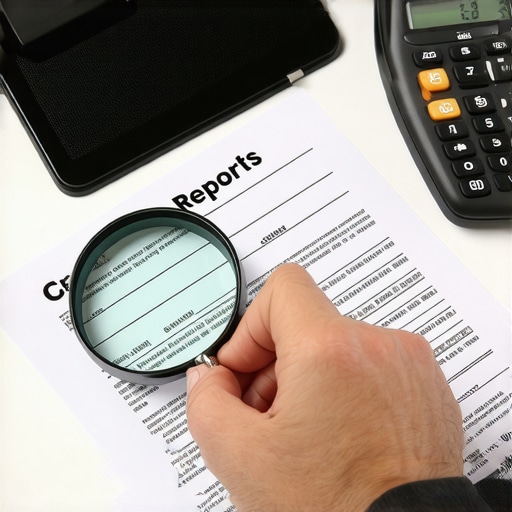
Best Credit Repair Tips for Disputing Errors & Improving Your Score
Ever felt that sinking feeling when you check your credit report and spot errors that just shouldn’t be there? I’ve been there. One time, I noticed a late payment that I swear I had already paid off months ago. It was frustrating. It seemed like such a small detail, but that one mistake was dragging down my score, making it harder to qualify for a decent loan. That lightbulb moment made me realize how critical it is to know the best credit repair tips for disputing errors and improving your credit score.
Why Fixing Credit Report Errors Matters More Than You Think
Your credit report is essentially your financial reputation. When inaccuracies pile up, they can unfairly lower your score, increase your interest rates, or even block you from getting approved for a mortgage or a new car loan. According to a Federal Trade Commission study, roughly 20% of consumers have errors on their credit reports that could impact their scores. That’s a huge chunk of people unintentionally damaging their financial future.
But here’s the thing — many folks just accept these errors, thinking there’s nothing they can do about it. I used to think that way too, until I learned how simple and effective dispute strategies can be. The truth is, knowing how to dispute errors quickly and confidently can save you thousands over time. And the good news? It’s not as complicated as it sounds.
Do You Fear That Disputing Errors Won’t Make a Difference?
I’ll admit, early on I made a mistake by jumping into disputes without understanding the process. I thought just sending a quick letter would do the trick. Instead, I wasted time and still saw no improvement. That’s why I want to share the proven methods I’ve learned — methods that work, backed by professional advice. If you’re skeptical, I get it. But trust me, with the right approach, you can dispute errors like a pro and see real results.
Today, I’ll walk you through the essential steps to challenge credit report mistakes efficiently. Whether it’s outdated information, wrong account details, or fraudulent activity, I’ll show you how to handle each situation. Ready to take control of your credit report and boost your score? Let’s get started!
Gather Your Documentation
Start by collecting all relevant documents related to your credit accounts, such as bank statements, payment receipts, and previous credit reports. I remember the first time I did this—I found a forgotten payment that was incorrectly marked late, which became my ace in the dispute. Having concrete proof makes your case stronger and speeds up the process.
Identify and Pinpoint Errors
Review your credit report carefully—look for outdated information, incorrect account details, or fraudulent activity. Think of your credit report as a map; errors are like confusing detours. I once spotted an account listed twice, which inflated my debt. Correctly identifying such errors is crucial before moving forward.
Learn How to Dispute Effectively
Disputing errors isn’t just about sending a letter; it’s about presenting a compelling case. Use the dispute process outlined in this comprehensive guide to learn how to craft your dispute letter. Be specific—highlight the error, include supporting documents, and clearly state what correction you seek.
Send Your Dispute and Track Progress
Mail your dispute via certified mail with a return receipt requested. This creates a paper trail, much like keeping a receipt after a purchase—proof that you acted. Keep copies of everything you send. I recommend setting reminders to follow up if you don’t receive a response within 30 days. Many disputes get resolved faster when you stay proactive.
Follow Up and Confirm Corrections
Once you receive a response, verify the correction. If the credit bureau agrees with your claim, they will update your report. If not, you can escalate the dispute or provide additional evidence. I once had to send a second letter with more proof, which ultimately led to the error being removed. Patience and persistence pay off.
Leverage Professional Help When Needed
If disputes become overwhelming, consider consulting a credit repair specialist. Think of them as expert guides who know the shortcuts through the credit report maze. They can help you navigate complex disputes and potentially boost your score faster, as explained in this article.
By following these concrete steps—gathering proof, pinpointing errors, disputing effectively, tracking progress, and seeking help when needed—you’ll be well on your way to cleaning up your credit report and improving your score. Remember, patience and persistence are your best allies in this process.
Many people embarking on credit repair believe they know the essentials, but some widespread misconceptions can actually hinder their success. Let’s dig deeper into what most folks get wrong about disputing errors and improving their credit scores. Understanding these nuances can save you time and prevent costly mistakes.
Why Your Dispute Strategy Might Be Missing the Mark
First, a common myth is that sending a simple dispute letter automatically guarantees results. In reality, the process is more nuanced. According to this guide, a well-crafted dispute that includes specific details and supporting evidence is far more effective. Generic letters often get ignored or dismissed, wasting your effort. Many overlook the importance of organizing your documents and clearly pinpointing the error — a crucial step that can make or break your success.
Another misconception is that once you dispute an error, the credit bureaus will always verify and remove it immediately. This is not true; in fact, about 20% of disputes are verified as accurate on the first attempt. Sometimes, errors persist because the dispute lacks compelling evidence or the process isn’t followed correctly. It’s essential to stay persistent, follow up, and escalate disputes when necessary, as discussed in this article.
Beware of the Trap: Over-disputing or Disputing Unnecessary Items
One of the most overlooked pitfalls is the temptation to dispute everything on your report. While it might seem like a quick fix, over-disputing can backfire. The Fair Credit Reporting Act (FCRA) stipulates that frivolous or unfounded disputes can lead to penalties or even delays. Focus on the most impactful errors — outdated information, fraudulent accounts, or significant inaccuracies — rather than minor or subjective items. This targeted approach, supported by top strategies, yields better results and saves you time.
Advanced Tactic: Understanding How Credit Scoring Models Interpret Disputes
For those who want to go beyond the basics, it’s important to understand how credit scoring models treat disputes. According to a 2022 study by FICO, the algorithms consider the consistency and accuracy of your credit report over time. Frequent disputes, especially of minor errors, can sometimes be viewed as a sign of unstable credit management. Therefore, it’s advisable to dispute only substantial errors, and once corrected, maintain good credit habits to support score improvements. For deeper insights, check out this resource.
Have you ever fallen into this trap? Let me know in the comments. Remember, effective credit repair is about strategic action, not just quick fixes. By avoiding these common myths and understanding the nuances, you can build a healthier credit profile that lasts.
How do I maintain my credit health over time?
Maintaining good credit isn’t a one-and-done task; it requires ongoing effort and the right tools. Personally, I rely on a combination of dedicated software and disciplined habits to stay on top of my credit profile. One tool I’ve found indispensable is Credit Karma. It offers real-time updates on your credit score and report, alerting you to any new inquiries or changes that could indicate errors or fraud. I check it weekly, which helps me catch and dispute inaccuracies early, preventing small issues from snowballing into major problems.
Another essential tool is Experian’s CreditWorks. It provides not only credit monitoring but also personalized advice on how your actions impact your score. The insights help me prioritize actions that yield the best long-term results, such as reducing credit card balances or diversifying my credit mix. These tools are backed by reliable data and are designed to alert you before small issues become costly.
Beyond digital tools, I recommend setting up a system for regular review. For example, every quarter, I pull my free annual credit reports from the official site to verify all information. This habit ensures that I catch outdated or incorrect data, especially as credit bureaus sometimes update accounts or correct errors without informing you immediately.
Looking ahead, I believe the trend is moving toward more AI-driven monitoring and personalized credit advice. Companies are developing smarter algorithms that not only track your scores but also suggest tailored strategies to improve them faster. As these technologies evolve, integrating AI-powered financial health apps into your routine could become essential for sustained credit success.
Keep it working: The key to long-term credit success
To truly keep your credit in top shape, combine these tools with good habits—pay bills on time, keep balances low, and avoid unnecessary credit inquiries. Consistency is king. Also, stay informed about changes in credit scoring models; for this, I follow updates from credit scoring factors to understand what lenders value most today.
Finally, don’t forget to revisit your credit strategy periodically. Use resources like effective repair techniques to refine your approach as your financial situation evolves. By combining the right tools with disciplined habits, you can ensure your credit efforts remain effective and that your score continues to improve over the years.

The Hardest Lesson I Learned About Disputing Credit Errors
Early in my credit repair journey, I believed that sending a simple dispute letter was enough. I quickly realized that without detailed evidence and a clear explanation, my disputes often failed. The lesson? Be precise and organized—your proof is your power. Keeping thorough records and including supporting documents can turn a weak dispute into a winning one, saving you time and frustration.
Three Myths About Credit Disputes That Held Me Back
I used to think that once I disputed an error, it would be automatically corrected. Wrong. Many disputes require follow-up, additional evidence, or escalation. Another misconception was that minor errors didn’t matter—big mistake, as even small inaccuracies can hurt your score. Learning to focus on significant errors and persist through the process made all the difference for my credit health.
What Experts Won’t Tell You About Maintaining Credit Health
One insight I discovered from top credit counselors is that ongoing monitoring and strategic habits are vital. Tools like credit monitoring services provide early alerts and help you catch issues before they escalate. Regular reviews and disciplined practices, such as paying bills on time and keeping balances low, are the keys to long-term success—something many overlook until it’s too late.
Curated Resources to Elevate Your Credit Repair Game
If you want to take your credit repair skills further, I recommend starting with The Ultimate Blueprint for Effective Credit Repair. It offers comprehensive strategies that helped me structure my approach. For dispute templates and step-by-step guidance, this guide is invaluable. Additionally, expert counseling tips can accelerate your progress and ensure lasting results.
Take Action Now and Shape Your Financial Future
Remember, your credit report is a living document—your proactive efforts today can lead to a stronger financial tomorrow. Don’t wait for errors to fix themselves; your future self will thank you for the decisive action. The journey to excellent credit isn’t just about fixing mistakes but building habits that last. Are you ready to apply these lessons and take control of your credit report? Your best financial future starts now.