

I vividly remember the moment I checked my credit report and saw an account I *thought* I had closed months ago suddenly pop back up as active. It felt like a punch to the gut. I had been diligently reducing my debts and building my score, only to discover that a forgotten, re-opened account was dragging me right back down.
That lightbulb moment made me realize how confusing and frustrating credit account statuses can be. Accounts that seem settled or closed sometimes mysteriously reappear as active, which can seriously impact your creditworthiness. If you’re like I was, you might be wondering: “How can an account just re-open without my permission?” and more importantly, “What do I do about it?”
The good news is, this is a problem solvable—and understanding the root cause is the first step towards fixing it. Today, I’ll share personal insights and proven strategies to help you prevent re-opened accounts from sabotaging your credit profile.
Why Reopened Accounts Can Derail Your Credit Goals
Reopened accounts might seem like a minor hiccup, but they can have a substantial impact on your score. They can increase your overall debt, change your credit utilization, and signal to lenders that you’re possibly facing financial trouble. Not surprisingly, this can lower your credit rating, making it tougher to qualify for new loans or better interest rates.
One of the most common reasons such accounts reappear is due to automated credit reporting systems or errors during disputes. Sometimes, credit bureaus mistakenly re-activate accounts based on outdated or incorrect information. Early in my journey, I made a critical mistake: I assumed that once I closed an account, it would stay that way unless I disputed it. That misconception cost me valuable points until I learned the importance of effective dispute strategies.
To get a handle on this issue, I turned to expert resources like [dispute errors effectively](https://creditrenewals.com/dispute-errors-effectively-a-guide-to-correct-your-credit-report), which helped me realize that proactive monitoring and assertive disputes are key. Now, I want to help you navigate this tricky terrain so you can keep your credit report accurate and your score climbing.
Do you have accounts that you thought were long closed but somehow keep reappearing? If so, you’re not alone—and there are clear steps to address this problem. Next, we’ll dig into practical techniques to identify, dispute, and prevent these re-openings from harming your credit profile.
Identify Inactive and Reopened Accounts
Start by reviewing your credit report meticulously for any accounts marked as closed but suddenly active again. I once discovered an old credit card listed as open after nearly two years of inactivity, which had been mistakenly reactivated due to an error. To catch these issues early, regularly obtain your credit reports from the three major bureaus. You can do this for free once a year at AnnualCreditReport.com. During your review, look for accounts you thought were dismissed or closed that unexpectedly reappear, as these can negatively affect your credit utilization and overall score.
Dispute Errors Effectively
Once you’ve identified questionable accounts, dispute them promptly. Think of the credit bureaus as a gatekeeper that sometimes lets errors slip through. Your goal is to present clear evidence showing the account is outdated, inaccurate, or mistakenly reactivated. Use a straightforward approach, ensuring your dispute is well-documented. For detailed step-by-step instructions, explore this comprehensive guide. In my experience, submitting disputes via certified mail and requesting confirmation of receipt accelerates the correction process and minimizes the risk of errors reoccurring.
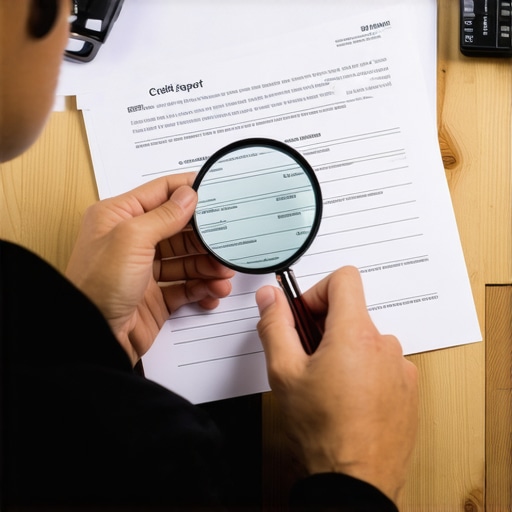
To strengthen your dispute, include copies of statements, closure notices, or account summaries that prove the account was closed or inactive. Keep records of all correspondence—this ‘paper trail’ is your best defense against bureaus reactivating the erroneous account.
Use Secure and Effective Dispute Channels
Avoid online dispute forms which often have automated scanners that might overlook nuances. Instead, opt for certified mail, which provides proof of delivery and receipt. When contacting the bureaus, be precise: clearly identify the account, specify the issue, and request that the account status be updated or removed if incorrectly reactivated. Regular follow-ups are essential. I found that setting calendar reminders to check dispute status every 15-30 days dramatically increased my chances of swift resolution.
Leverage Credit Counseling Resources
If the dispute process becomes overwhelming, professional guidance can streamline your efforts. Credit counseling agencies can assist in reviewing your report, disputing errors on your behalf, and developing a strategy to maintain a clean credit profile. Visit this resource to learn how counseling services can immediately impact your efforts. In my case, engaging a counselor helped me understand complex credit factors and enabled me to contest re-openings more confidently.
Implement Ongoing Monitoring Practices
Prevention is continuous. Set up alerts or subscribe to credit monitoring services to track changes in real-time. This proactive approach allows you to spot reactivated accounts as soon as they appear and act swiftly. Think of it as installing security cameras—it keeps you alert and in control of your financial environment. Over time, consistent monitoring helped me catch and dispute several false reactivations before they could cause long-term damage.
Many believe that simply paying off debt or disputing a few inaccurate items will dramatically boost their credit score, but this oversimplifies a complex process. In reality, misconceptions about credit scoring and repair strategies can lead to costly mistakes. For example, many people think that closing old accounts will improve their score; however, this can actually lower your score by reducing your credit history length and increasing your utilization ratio. Additionally, there’s a myth that credit counseling agencies can quick-fix your report without effort—while they offer expert guidance, the real work involves understanding and addressing underlying issues, not just signing up for a service. One often-overlooked nuance is the importance of a strategic sequence when disputing errors: tackling the most impactful items first can lead to a more significant score increase than randomly addressing smaller mistakes. An advanced mistake many overlook is failing to monitor the updates on their disputes; credit bureaus can re-report errors or mistakenly re-activate accounts if they aren’t watched carefully. Studies, such as those by the Consumer Financial Protection Bureau, highlight that ongoing oversight and multiple small corrections collectively have a substantial impact on credit health over time (see CFPB report, 2022). A common trap is relying solely on online dispute forms, which often lack the nuance needed for complex errors. Instead, using certified mail with detailed documentation ensures your disputes are taken seriously and tracked effectively. Moreover, many fail to realize the importance of a comprehensive strategy; credit repair isn’t just about correcting errors but also about improving credit habits through informed decisions and proactive monitoring. Understanding these nuances allows you to avoid pitfalls others miss, ultimately leading to more sustainable credit health. Have you ever fallen into this trap? Let me know in the comments, and remember—success in credit repair comes with patience, knowledge, and strategic action.Maintaining steady progress in your credit repair journey requires more than just understanding errors and disputing them once. It involves leveraging the right tools and establishing reliable routines that ensure your efforts stick over time. Personally, I swear by specific software and methodologies that make monitoring and managing my credit health efficient and stress-free.
One of my go-to resources is **Credit Monitoring Services** like IdentityIQ or Lexington Law. These platforms provide real-time alerts for any changes in your credit report, enabling you to react swiftly if a reactivated account reappears or new errors occur. I use their mobile apps daily, which sync instantly with the bureaus, allowing me to handle disputes on the fly. This eliminates the delay associated with traditional methods and significantly reduces the window of damage.
For dispute management, I highly recommend **Credit Dispute Automation Tools** such as DisputeSuite or Credit Analyzers. These tools help automate the creation of dispute letters based on the errors identified, saving countless hours of manual writing. I personally customize their templates, embedding linked evidence—like account closure notices or statements—using the recommended form from this expert guide. This approach ensures that my disputes are not only swift but also more successful due to precise targeting.
Another crucial habit I implement is maintaining a **Dispute Tracker**—a simple spreadsheet where I log dates, issues, responses, and resolutions. This manual record-keeping helps me spot patterns, track dispute progress, and prepare for follow-ups. Over time, I’ve noticed how this organized approach correlates with faster corrections and a cleaner credit profile.
Looking ahead, the trend is moving towards Artificial Intelligence (AI)-powered credit analysis tools. These systems analyze your credit report, recommend precise dispute strategies, and even predict where errors are likely to occur based on your report history. As these tools evolve, I predict they’ll become integral for anyone serious about long-term credit health, making ongoing maintenance organic and less time-consuming.
#### How do I keep credit repair tools effective over time?
The key to sustained success is regular updating and reviewing your tools’ configurations. I schedule a monthly review of my monitoring services, update dispute templates as new strategies emerge, and stay informed through trusted sources like credit repair secrets. Additionally, I integrate credit education podcasts to stay current with industry best practices.
It’s also wise to develop a habit of **proactive error checking**. For example, I routinely verify that my recent payoffs are accurately reflected. Using services like Experian or TransUnion’s online portals, I cross-check for discrepancies immediately after large payments or account closures. This routine helps catch errors before they impact my score.
Looking forward, advancements in AI and machine learning suggest that credit management could become even more personalized and predictive. Imagine a system that not only alerts you to errors but also suggests specific dispute language or even drafts responses on your behalf based on successful past disputes. Such innovations will likely democratize credit health management, making it accessible and manageable for all.
Don’t hesitate to try out one of these advanced tools—like setting up a dispute tracker or subscribing to real-time credit monitoring—as your next step. These investments can save you money and time while preserving your hard-earned credit improvements.
Why the Hardest Lesson About Credit Repair Still Sticks with Me
One of the toughest truths I learned was that paying off debts isn’t always enough; accurately disputing errors and preventing reactivations is equally vital. Early on, I believed that once I closed an account, it was gone for good, but mistakes in reporting can bring them back to life, sabotaging my score. Recognizing the importance of ongoing credit monitoring became a game-changer, teaching me that proactive oversight beats reactive fixes every time.
How Misconceptions Can Hold You Back from Real Credit Success
I used to think closing old accounts would boost my credit score. Instead, I learned that it can shorten your credit history and increase utilization, actually lowering your score. Additionally, trusting online dispute forms without additional proof or certified mail can lead to unresolved errors. My breakthrough was understanding that strategic, document-backed disputes are key to long-term improvements, saving me time and stress.
The Critical Step Others Overlook in Managing Credit Reopenings
The most impactful lesson was that continuous monitoring isn’t just a good practice—it’s essential. Setting up real-time alerts on credit reports allows you to catch and dispute reactivated accounts immediately, preventing long-term damage. Engaging with tools like credit monitoring services, combined with well-maintained dispute records, solidifies your control over your credit health. Embracing this proactive approach means turning the tide in your favor rather than reacting to problems after they escalate.