

I remember the frustrating moment when I pulled up my credit report and saw a seemingly harmless zero-balance account marked as past due. My stomach sank. How could an account with no outstanding balance be overdue? It felt like a trap, and honestly, it made me question whether I was wasting my efforts trying to clean up my credit report. That lightbulb moment pushed me to dive deeper and find real solutions—not just band-aid fixes.
Why does a zero-balance account still lagging as past due cause so much confusion?
Many people assume that once an account shows zero balance, it’s automatically considered up-to-date and no longer impacts their credit report. But that’s actually a misconception. Sometimes, credit bureaus or lenders leave outdated statuses, or they haven’t received the latest updates from your creditor. This discrepancy can severely hurt your credit score, especially if left unaddressed.
In my early attempts to dispute such items, I made the mistake of thinking the balance being at zero meant the account was clean. Nope. According to experts at Credit Counseling Secrets, outdated or incorrect reporting can linger, creating ripples in your credit profile that are tough to resolve without specific actions. Understanding the mechanics behind these discrepancies is crucial to fixing them effectively.
Is this kind of reporting actually worth the hassle?
I used to wonder if chasing down these errors was just a waste of time. But then I realized that even small inaccuracies, like outstanding statuses stuck on paid-off accounts, can drag your score down. Clearing these errors might seem like a minor step, but it can significantly boost your creditworthiness—and your confidence, too.
To be honest, I also fell into the trap of assuming that the bureaus would automatically update the account status once the balance was paid. I learned the hard way that proactive disputes, backed by proper documentation, often lead to faster, better results. If you’re facing this exact issue, you’re not alone—and the good news is, there’s a clear way to tackle this hurdle.
In the upcoming sections, I’ll guide you through the practical steps to correct a zero-balance account still reporting as past due. From understanding why the error persists to filing effective disputes, these insights are based on my personal journey and the most trusted credit repair techniques.
Pinpoint the Cause of the Discrepancy
When I faced a similar issue, I realized that outdated information from the creditor or a lag in the credit bureau’s update was causing my account to appear past due despite a zero balance. This is like a stuck GPS trying to navigate an outdated route—your credit report may be showing old data long after you’ve paid in full. To identify the root cause, review your account details directly with the creditor and compare that information with what’s on your credit report. This initial step helps you understand whether the error originated from the lender’s reporting or the bureau’s update cycle.
Gather Solid Documentation
Once you’ve identified the mismatch, assemble all relevant documents. These include your bank statements showing the payment, letters from the creditor confirming account closure or zero balance, and previous credit reports. Think of this as collecting evidence in a legal case—your documentation is your strongest defense when disputing errors. Clear, organized proof accelerates the dispute process and minimizes back-and-forth with the bureaus.
Leverage Dispute Processes Effectively
With your evidence in hand, initiate a dispute with the credit bureaus through their online portals or certified mail. I recommend using the step-by-step dispute guide to ensure your request is targeted and comprehensive. When filling out dispute forms, clearly specify that the account’s status is outdated and attach your supporting documents. This is akin to sending a formal complaint to a gatekeeper—being precise and assertive yields better results.
For instance, I once disputed a closed credit card that was still marked as open and overdue, attaching my payment confirmation. After months of persistence, the bureau corrected the status, which immediately improved my score. Remember, persistence is key—sometimes, the bureaus overlook errors unless you consistently follow up.
Request a Manual Review if Necessary
If the automated dispute process stalls or the bureau ignores your evidence, escalate the matter by requesting a manual review. Use a formal letter explaining the situation and emphasizing the importance of correcting outdated data. This is similar to insisting on speaking to a supervisor—direct communication often clears stubborn errors. I utilized this tactic by contacting the bureaus directly through their dedicated correction channels, which resulted in faster updates.
Monitor and Confirm the Update
After submitting disputes and requests for manual review, regularly check your credit report to confirm the error has been amended. Use free tools or your credit monitoring service. Think of this as tracking a package—you want to be sure it’s delivered correctly. Once the report reflects the accurate status, your credit profile benefits from the correction, boosting your score and reducing unwarranted debt signals.
Seek Professional Assistance if Errors Persist
If after multiple attempts the error remains uncorrected, consider consulting a credit repair expert or credit counseling service. They can negotiate directly with bureaus or creditors, often uncovering underlying issues that simple disputes can’t resolve. Visit this resource to understand how professional guidance accelerates credit correction.
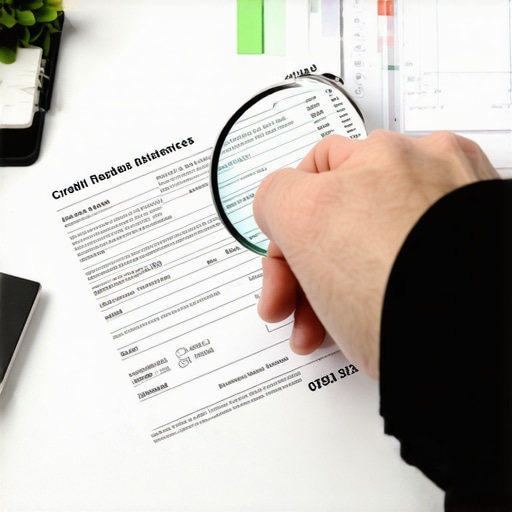
Applying these targeted techniques transforms your credit repair process from guesswork into a strategic operation. Remember, accuracy, persistence, and documentation are your best allies when correcting a zero-balance account mistakenly reported as past due.
Many individuals believe that disputing errors on their credit report is a straightforward process, but the reality is far more nuanced. A common misconception is that once you submit a dispute, the credit bureaus will automatically correct the mistake, leading to instant score boosts. However, as experts at Credit Repair Secrets suggest, the success of disputes often hinges on the nature of the error and the quality of your evidence. Overlooking this can result in prolonged disputes or unnecessary frustration.
Another myth is that all credit repair tactics are equally effective, but in fact, some methods—like aggressive rapid rescoring—may have limited or temporary effects and could even backfire if not done carefully. Patience and strategic planning, leveraging detailed guidance from Fast Credit Repair Tips, provide better long-term results.
A crucial trap many fall into involves underestimating the importance of documentation. Sending vague disagreement letters without concrete proof weakens your position, making it easier for bureaus to dismiss your claims. For advanced practitioners, understanding the exact verification processes bureaus use, as outlined in Dispute Errors Effectively, is vital. This knowledge enables you to craft disputes that compel thorough review, increasing the chance of successful correction.
The real hidden nuance is recognizing that dispute success isn’t solely about correcting erroneous data but also about understanding the underlying factors—like timing and reporting cycles—that influence updates. For instance, accounts closed with zero balances still showing as past due may be due to delayed reporting, a detail highlighted by Expert Advice on credit data flow.
Furthermore, many overlook the benefits of combining dispute actions with professional credit counseling. Engaging experts can help identify systemic issues and optimize your strategy, rather than relying solely on DIY disputes. This approach aligns with insights from Credit Counseling Secrets—a step towards holistic credit management.
Have you ever fallen into this trap? Let me know in the comments. Remember, mastering the nuancesof credit repair and dispute processes empowers you to make smarter financial decisions, ultimately leading to stronger credit profiles and broader financial freedom.
Streamlining Your Credit Maintenance Routine
Once you’ve made significant strides in correcting errors and improving your credit profile, maintaining that progress requires strategic tools and consistent habits. Personally, I rely on a combination of digital solutions and disciplined practices to ensure I stay ahead of potential setbacks.
One indispensable tool I use is Credit Karma. It offers free weekly credit reports and FICO scores, allowing me to monitor my progress regularly without incurring additional costs. The real benefit is its user-friendly dashboard that highlights recent changes and alerts me to any unexpected fluctuations, which might indicate outdated or erroneous data.
In addition, I utilize dispute automation tools—these platforms streamline the process of submitting disputes and tracking their status. They aren’t a replacement for manual oversight, but they significantly reduce the time and effort involved, especially when dealing with multiple accounts or complex errors.
For document storage and organization, I recommend a secure cloud service like Google Drive with encrypted folders. Keeping organized copies of payment confirmations, correspondence, and dispute evidence makes it easier to respond swiftly if discrepancies pop up or if you need to escalate disputes through manual review channels.
Invest in Your Knowledge with Expert Resources
Beyond tools, staying educated on evolving credit repair techniques is vital. Bookmarking resources like Credit Repair Secrets or following reputable financial blogs can keep you informed about new strategies and pitfalls. The more you know, the less likely you are to fall prey to outdated or ineffective methods.
Another crucial aspect is scheduled check-ins. I set reminders every three months to review my credit reports and verify that all corrections have remained intact. Lifestyle changes—like opening new accounts or paying off debts—also need to be reflected accurately in my ongoing monitoring.
Forecast for Future Credit Maintenance Trends
Looking forward, automation and artificial intelligence are poised to revolutionize how consumers manage their credit. Expect smarter alerts, predictive analytics for potential score risks, and more personalized dispute assistance. Staying adaptable to these technological advances will become key to maintaining and scaling your credit health efficiently.
How do I keep my credit in top shape over the long haul?
The secret lies in consistent, proactive monitoring and leveraging the right tools. For example, implementing advanced dispute tactics as part of your routine ensures that your profile remains accurate and up-to-date. Don’t forget to review your report at least quarterly, cross-reference with your records, and stay informed about new credit laws and best practices. The effort pays off with sustained credit scores, better financing opportunities, and peace of mind.
Start by adding a reliable app like Credit Karma to your toolkit, and set a recurring calendar reminder to review your report. This simple step can be the difference between a stable credit profile and unanticipated setbacks.
Remember, disciplined maintenance today sets the foundation for long-term financial health. Try adopting these proactive practices and watch how your credit story evolves effortlessly over time.
What I Learned the Hard Way About Dispute Pitfalls
- One of the biggest lessons was realizing that not all errors are created equal. Some disputes are straightforward, while others require deep digging and patience. Knowing which errors are worth fighting for can save you time and frustration.
- I discovered that building solid documentation is like constructing a fortress—it shields your case from rejection. Attaching clear proof accelerates the correction process and boosts your confidence.
- Understanding the reporting cycles opened my eyes to timing. Sometimes, errors resolve themselves if you wait, but proactive disputes often lead to faster, tangible improvements.
- Using professional help isn’t a sign of weakness; it’s a smart move. Credit counseling experts can identify hidden issues and guide you through complex disputes that DIY efforts might miss.
- The most surprising insight was how small inaccuracies can cumulatively hurt your score more than you think. Small fixes, like correcting outdated statuses, can significantly uplift your credit health.
Tools and Resources That Honestly Made a Difference
- Credit Karma: I rely on it for free weekly updates and quick insights. Its user-friendly interface helps me stay on top of my credit without added costs.
- Dispute automation platforms: These streamline the dispute process, saving me hours and keeping everything organized, which is crucial when managing multiple errors.
- Expert articles from Credit Repair Secrets: They helped me understand the nuances of credit reporting and dispute strategies, making my efforts more targeted and effective.
- Credit counseling: Personalized guidance from professionals gave me a clearer path forward—especially for tricky errors like outdated status reports.
Let’s Build Your Credit Confidence Today
Remember, mastering credit repair is a journey, not a race. With patience, the right tools, and a proactive mindset, you can transform frustrating errors into stepping stones toward financial freedom. Don’t wait for perfect conditions—take that first dispute step today and watch your credit story improve one honest effort at a time.
Have you ever faced a stubborn credit report error? Share your experience below—your story might help someone else start their own credit repair success journey.