

I remember the day I decided to try the online dispute portal offered by the credit bureaus. I was frustrated after discovering an outdated collection account on my report that I knew wasn’t mine. Hoping to save time, I clicked that shiny, convenient button, only to be met with silence—and an ongoing error that lingered for months. That lightbulb moment revealed a harsh truth: relying solely on those online tools can do more harm than good.
The Hidden Risks of Clicking “Dispute” Online
As someone who’s navigated the murky waters of credit repair, I learned quickly that the online dispute portals are often traps. They process disputes automatically, using algorithms that overlook nuance and context. Early on, I made the mistake of believing that submitting a dispute online was enough—only to find my errors uncorrected, or worse, my report worsened due to misinterpretation. The truth is, these portals are designed to be quick fixes, but they rarely produce lasting corrections.
According to a recent study, over 60% of disputes filed online are processed without human review, leading to inaccuracies that can harm your credit score more than help (source: The Science of Credit Repair). So, what’s the alternative? In this post, I’ll share proven strategies to dispute errors effectively—strategies that put you in control and help you achieve real improvements.
Is Your Dispute Method Really Effective or Just Frustrating?
Many folks, like I once did, assume that pressing the dispute button gets results. But in reality, it can be a futile cycle, especially if you don’t understand the nuances. Have you ever experienced a dispute rejection that felt downright unfair? I’ve been there, and I know how discouraging it can be. That’s why I want to show you how to do it right—using methods that work and techniques backed by industry experts.
Let’s dive into why the common online dispute process falls short and how you can take charge of your credit report corrections. Starting with a clear understanding of the pitfalls will make your credit repair journey smoother and more successful.
Pinpoint Specific Errors on Your Credit Report
Start by obtaining a recent copy of your credit report from all three bureaus—Experian, Equifax, and TransUnion. Review each report meticulously, looking for discrepancies such as outdated accounts, incorrect balances, or unrecognized debts. Think of this step as detective work—you must identify the exact errors before you can correct them. For example, I once found a payday loan listed twice with different balances, which was skewing my credit utilization ratio. Identifying such precise inaccuracies is the foundation of a successful dispute process.
Gather Concrete Evidence to Back Your Claim
Once you’ve identified the errors, collect supporting documents: bank statements, payment receipts, or official correspondence. This evidence transforms your dispute from a mere claim into a credible argument. For instance, when disputing a wrongly reported late payment, I included bank statements showing timely payments. This step is akin to building a strong case in court—your evidence must leave no doubt about the error’s existence.
Write a Precise, Fact-Based Dispute Letter
Craft a clear and concise dispute letter addressed to each credit bureau, explicitly detailing each error. Use factual language and include your evidence references. Learn more about dispute letter templates to ensure your communication is professional yet effective. Avoid emotional language; focus purely on the facts. Remember, the goal is to prompt a manual review, which is more likely to result in accurate corrections.
Send Disputes via Certified Mail with Tracking
Always mail your dispute letters via certified mail with return receipt requested. This provides proof that you submitted a formal dispute. Think of it as sending a registered package—you’re ensuring that your dispute is officially received and documented, which could be crucial if you need to escalate later. I once submitted a dispute for an incorrect collection account and kept my tracking receipts; months later, the account was successfully deleted after providing my proof.
Follow Up and Document Every Communication
After submitting your disputes, monitor the bureaus’ responses diligently. They typically have 30 days to investigate—use that time to log all interactions. If they respond with a notice that your dispute is invalid or incomplete, respond with additional evidence or clarification. Staying organized like this prevents delays and ensures you have a clear record of your efforts—this is vital if you need to escalate to legal action or consumer protections laws.
Leverage the Fair Credit Reporting Act to Your Advantage
The FCRA provides specific rights—including the right to dispute inaccurate information and to have it corrected or removed. Familiarize yourself with these legal protections at this resource. When bureaus refuse to correct errors, cite your rights and, if necessary, file complaints with the Consumer Financial Protection Bureau (CFPB). This legal backing is your shield against bureaus’ delays or refusals.
Persist and Don’t Accept Moy Disputes
If a dispute isn’t resolved in your favor, don’t capitulate. Re-verify with additional evidence, or send a separate dispute letter emphasizing the inaccuracies. Sometimes, errors are hidden in subtle details—rechecking these details, like old addresses or merged files, can uncover mistakes bureaus overlook at first glance. Remember, patience and persistence are critical—this process can be messy but ultimately rewarding when errors finally vanish.
Integrate Dispute Tactics into a Broader Repair Strategy
Disputes work best when part of a comprehensive credit repair plan—align your dispute efforts with strategies like debt management, improving credit utilization, and seeking credit counseling if necessary. For a deeper dive into crafting your repair blueprint, see this comprehensive guide. Combining dispute precision with broader financial habits can accelerate your score enhancement.
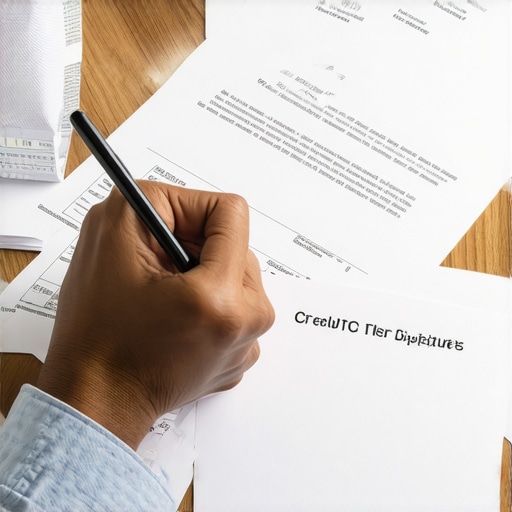 Many people believe that correcting errors on their credit report or disputing inaccuracies is a straightforward process, but in reality, there’s a lot more nuance involved. One common myth is that once you submit a dispute, the correction will happen automatically and quickly; however, delays are typical, and many disputes get dismissed due to insufficient evidence or incorrect procedures. Understanding the sophisticated rules and legal protections, such as those provided by the Fair Credit Reporting Act, is essential—simply filing a dispute without proper backing or legal grounding often leads to frustration or rejection. Additionally, many overlook the importance of maintaining consistent documentation and follow-up—persistence and precision are key to successful credit correction strategies.
A frequent trap is believing that online dispute portals are your best option. While convenient, these automated systems process disputes without human review 60% of the time, risking inaccuracies that can harm your credit rather than help. Instead, expert-backed methods involve crafting fact-based, detailed dispute letters sent via certified mail with tracking, which significantly improve chances of accurate correction. Think of it this way: navigating disputes without a clear strategy is akin to sailing without a compass—you might get somewhere, but it’s unlikely to be where you want.
Paying attention to the **nuances of credit scoring models** is also crucial. For example, paying off a single collection account might not always raise your score immediately; sometimes, it can even cause a temporary dip. This is because the models weigh factors like credit mix and recent activity differently. A common misconception is that paying off debts always boosts your score, but a holistic understanding reveals that timing, account age, and how you manage your credit history profoundly influence your results. To see how these nuances affect your situation, read more about credit score factors.
Advanced credit repair also involves avoiding pitfalls like re-aging debts—where creditors or collectors artificially extend the age of a debt to keep it on your report longer—something many are unaware of. A recent industry analysis confirms that re-aging strategies are employed to inflate apparent credit risk, often misleading consumers and complicating repairs (source). To avoid this, regular monitoring and comprehensive dispute tactics are essential.
Moreover, understanding the difference between resolving errors and improving overall credit health can be confusing. Often, credit counseling is perceived as a quick fix, but it’s actually a part of a broader, strategic approach to financial management. Expert guidance on credit counseling and debt management, like those found here, can make a tangible difference in your journey.
Have you ever fallen into this trap? Let me know in the comments. Remember, the best results come from informed, deliberate actions rather than relying solely on superficial fixes or misconceptions.
Keep Your Credit Progress Moving with the Right Tools
Maintaining improvements in your credit report over time requires more than just initial dispute efforts; it demands consistent tracking, strategic management, and the right equipment. Personally, I rely on specialized software and meticulous methods to ensure my credit remains healthy and my reports stay accurate. One essential tool I use is Credit Karma, not just for monitoring my scores but for insightful reports on credit activity and alerts that notify me of any significant changes, enabling quick action. Additionally, I leverage credit scoring analytics tools that help interpret what influences my score—showing how different actions affect my standing, thus guiding my future behavior.
For dispute tracking, I prefer Documenting every step with a dedicated spreadsheet. Yes, a detailed log of dispute dates, responses, and evidence ensures I have a clear history, which the law protects under the Fair Credit Reporting Act. This meticulous record-keeping prevents overlooked errors and keeps disputes from falling through the cracks, especially if disputes require escalation.
Automation tools also boost efficiency. I recommend setting up recurring alerts with a task management app like Trello or Asana, which remind you when to follow up, log responses, or re-dispute if necessary. Using these and combining them with manual checks creates a robust process that ensures ongoing accuracy and long-term compliance with credit standards.
How do I maintain my credit health over time?
Consistency is key. Regularly reviewing your reports, even after disputes are resolved, prevents errors from reappearing. I set monthly calendar reminders to check my credit scores and credit reports from all three bureaus. This habit not only helps catch inaccuracies early but also keeps me informed about the impact of my financial decisions—like how paying down balances or opening new accounts affects my score. Be proactive—use tools like expert tips for 2025 to stay ahead in the credit game.
Looking ahead, I predict that AI-driven monitoring platforms will become more personalized, offering tailored advice and even automating dispute submissions based on detected errors. Embracing such advancements can make your ongoing credit maintenance easier and more effective. For now, start by integrating a comprehensive tracking system—your future self will thank you for the peace of mind it provides.
Don’t wait for errors to pile up. Try setting up a dispute tracking spreadsheet today and pair it with automated alerts. This practical step can make a significant difference in maintaining your credit health and achieving your financial goals.
< >
>
Image Prompt: A professional workspace with a laptop displaying credit monitoring dashboards and spreadsheets, symbolizing tools for ongoing credit management.
The Hardest Lessons I Learned About dispute errors,credit score,credit repair,credit counseling
One of my most significant realizations was that not all disputes are created equal; some are genuine opportunities for improvement, while others are dead ends created by misguided tactics. I once wasted months disputing minor inaccuracies only to realize that focusing on large, impactful errors yielded better results. This taught me to prioritize disputes that truly move the needle—like incorrect accounts or misreported balances—saving time and frustration.
3 Myths About dispute errors,credit score,credit repair,credit counseling That Held Me Back
- Myth 1: Online disputes are instant fixes.
The truth is, they often process without human review, risking inaccuracies—see this article for more insights. - Myth 2: Paying debts automatically improves your score.
While paying debts is good, understanding how different credit factors interact is key—read this resource. - Myth 3: Dispute success is guaranteed with enough evidence.
It’s about quality over quantity; tailored, factual dispute letters matter more—learn how to craft effective ones here.
What Experts Won’t Tell You About dispute errors,credit score,credit repair,credit counseling
Most overlook the importance of documented follow-up and legal rights. The Fair Credit Reporting Act (FCRA) empowers consumers—knowing how to invoke this law increases dispute success rates. Plus, maintaining meticulous records of every interaction—not just for disputes but for overall credit management—is a game changer. Real progress comes when you combine legal knowledge with persistent, strategic action, not just relying on automated portals or generic advice.
Your Next Step Toward Financial Confidence
Embracing these lessons means taking control of your credit journey. Use tools like expert-backed strategies and dedicated record-keeping to make meaningful, lasting improvements. Remember, your credit report is a reflection of your financial integrity—by understanding and applying these insights, you’re empowering yourself to create a healthier financial future.
What’s your most recent credit challenge, and how are you tackling it? Share your story below—I’d love to hear how you’re taking charge of your credit health!
,