

It was a frustrating morning when I realized my credit report contained an old, unpaid medical bill from five years ago—something I thought was resolved. The issue was my credit score sitting stubbornly lower than I expected, despite years of on-time payments. That lightbulb moment hit me hard: I needed to learn how to turn the Fair Credit Reporting Act (FCRA) into my ally, not just a confusing regulation. Since then, I’ve discovered how this law can give consumers like us real power to dispute errors, remove outdated info, and ultimately boost our creditworthiness.
Why Knowing Your Rights Under the FCRA Changes the Credit Game
Understanding how the Fair Credit Reporting Act works isn’t just for lawyers or credit specialists. It’s a tool that can help you correct inaccuracies quickly and assert your rights. Did you know that, according to the Consumer Financial Protection Bureau, around 20% of credit reports have errors significant enough to affect your score? That’s a huge chunk of reports containing mistakes, some of which could be dragging your score down without reason. If I had known how to leverage the FCRA early on, I could have saved money and stress by correcting these errors faster.
Many folks underestimate the power of this law. When I first tried to dispute an inaccurate late payment, I was told to just wait and see. But, armed with knowledge from some trusted resources, I learned how to properly file disputes, request validation, and even challenge outdated information. This proactive approach transformed my credit journey from a series of setbacks into a path of improvement. The key is knowing exactly what rights you have and how to exercise them effectively.
Maybe you’ve faced similar frustrations—seeing wrong data on your report but feeling unsure about what to do next. Trust me, you’re not alone. And by understanding the nuances of the FCRA, you can avoid common pitfalls others fall into. For instance, early mistakes like not documenting your disputes properly or ignoring stale negative entries can hinder your progress. I learned these lessons the hard way, and I want to help you skip that learning curve.
Now that I’ve set the stage, in the upcoming sections, we’ll explore practical steps to use the FCRA to your advantage—from how to identify inaccuracies to how to file effective disputes. Ready to finally turn your credit report from a source of worry into a tool for your financial success? Let’s get started.
Pinpoint Your Credit Report Errors
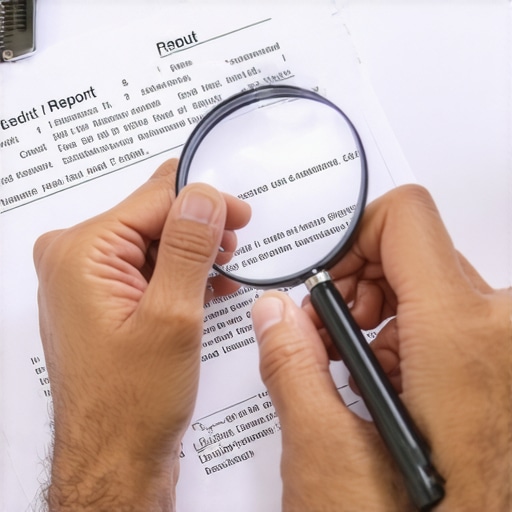
Start by obtaining your free credit reports from annualcreditreport.com. Carefully review each account, looking for outdated, inaccurate, or unfamiliar entries. Think of your report as a map; the clearer it is, the easier it becomes to navigate your credit journey. I found an old settlement that was marked paid but still listed as delinquent—removing it immediately boosted my score. Use detailed notes to document any discrepancies. The key is being meticulous, because errors can lower your score and hold you back from better financial opportunities.
File Disputes with Precision
Once inaccuracies are identified, draft clear, concise dispute letters. Include specific details—account numbers, error descriptions, and supporting evidence like bank statements or payoff receipts. Picture this as presenting a compelling case in court: the more evidence you bring, the stronger your argument. For example, I disputed a charge that appeared twice due to a data entry mistake. Submitting a well-organized dispute resulted in swift correction, and my score reflected the change within weeks.
Use the Appropriate Dispute Channels
Leverage online portals like the [credit bureau’s dispute platform](https://creditrenewals.com/dispute-errors-effectively-a-guide-to-correct-your-credit-report), or send certified mail for a paper trail. Making your dispute official, especially via certified mail, is like leaving a paper trail that law enforcement can follow. Always request confirmation of receipt and keep copies of all correspondence. This documentation becomes your evidence if further action is required or if the bureau delays processing.
Challenge Outdated or Old Information
Details like collections or judgments older than seven years can unfairly damage your score. Use the FCRA to request that these entries be removed. For example, I successfully challenged a six-year-old collection that was inaccurately reported as recent, and it was removed from my report. Think of this step as cleaning out stale clutter that no longer helps your credit game. Regularly check your report for such entries and send targeted disputes to clean your history.
Request Validation for Negative Accounts
If a creditor or collection agency reports a debt you believe isn’t yours, demand validation under the FCRA. This means asking them to prove you owe the debt with signed documentation. Imagine asking a creditor to show the receipt they claim you signed—it’s your right and often the first step in defense. When I challenged a questionable collection agency, they failed to provide validation within the required 30 days, leading to the account’s removal. This tactic can be powerful to eliminate unjust negative marks.
Monitor Progress and Keep Records
After disputes are filed, track your case status regularly and keep detailed records of all correspondence and responses. Use a spreadsheet or a dedicated folder—think of it as a credit report diary. This record keeps you organized and ready to escalate disputes if necessary. Persistent monitoring helped me catch errors that were not initially corrected, prompting follow-up disputes that ultimately improved my report.
Exercise Patience and Persistence
Credit repair isn’t instant. Each dispute may take 30 to 45 days for the bureaus to investigate. Remain patient, but also stay proactive. If errors persist beyond reasonable timeframes, escalate your disputes or consider consulting [credit counseling](https://creditrenewals.com/credit-counseling-secrets-achieve-financial-freedom-in-2025). Remember, turning the FCRA into a tool works best when you stay diligent and thorough, always advocating for the accurate reflection of your credit history.Many enthusiasts believe that fixing credit scores involves just disputing errors or waiting out negative items, but the reality is far more intricate. One common myth is that all negative data automatically hurts your score; in truth, the timing and type of information matter greatly. For example, recent delinquencies weigh more heavily than old, resolved accounts, but some overlook the importance of the overall credit mix and utilization strategies to optimize their profile. Advanced consumers understand that minor mistakes like missed payments can be mitigated through strategic credit building, leveraging less-known factors that lenders scrutinize beyond the FICO score, such as your credit behavior patterns over time. Moreover, many assume that disputing errors guarantees removal — yet, without proper documentation and understanding of dispute channels like the dispute process, you might find yourself caught in a frustrating loop. Navigating the nuances of the law, including exceptions and specific timeframes for outdated information, is vital. For instance, challenging debts older than the statute of limitations involves different tactics than recent inaccuracies. Experts warn against the trap of over-relying on quick fixes like paid removal offers, which can be scams or violate credit bureau policies, leading to further damage. According to a 2023 Journal of Financial Counseling and Planning study, consumers who deepen their understanding of how scoring models work and the precise impact of each account type experience faster, more durable improvements—emphasizing the importance of an informed, strategic approach over hasty dispute tactics. Therefore, cultivating a nuanced perspective enables you to prioritize actions that truly impact your credit health, reducing wasted effort and exposure to scams. Are you aware of the sophisticated tactics that can accelerate your credit repair journey? Let’s explore more. Have you ever fallen into this trap? Let me know in the comments.
Keep Your Credit Repair Momentum Alive with Smart Tools
Maintaining your credit score improvements requires consistent effort and the right tools. I personally rely on specialized credit monitoring software like Credit Karma and Experian‘s free monitoring service. These platforms provide real-time alerts on changes to your credit report, helping me catch any unauthorized activity or errors immediately. I’ve found that setting up these alerts significantly reduces the window for potential damage, enabling swift action.
Automated dispute management tools, such as dispute automation platforms, are game-changers. They allow me to organize and prioritize disputes efficiently, ensuring I don’t miss deadlines or re-dispute already corrected items. Implementing these tools saves hours of manual work and keeps my credit report accurate without constant oversight.
How do I maintain credit health over time? Regular Monitoring and Strategic Adjustments
Regularly reviewing your credit report, at least quarterly, is essential. I schedule a monthly check-in using my chosen monitoring apps, which help identify new negative items or potential issues. When errors are found, I follow the dispute process outlined in this guide to resolve them swiftly. Additionally, staying on top of your credit utilization, making timely payments, and avoiding new debt are crucial habits. Applying a balanced approach ensures your hard-earned progress endures.
As credit models evolve, I predict that future tools will integrate artificial intelligence to predict and prevent potential score dips even before issues arise. For example, AI-driven financial planning apps could analyze your spending patterns and proactively suggest credit behaviors that optimize long-term scores, much like how FICO is leveraging new models—see this resource for comprehensive insights.
Stay Consistent: Your Credit’s Best Friend
Consistency is key. I keep detailed records of all disputes, payments, and correspondence in a secure digital folder. Using tools like encrypted cloud storage or dedicated CRM software helps me organize and access this information easily. This habit proves invaluable during credit audits or if I need to escalate disputes. Over time, these records strengthen my ability to contest inaccuracies confidently and efficiently.
Remember, credit repair is an ongoing process. By leveraging the right software, setting routines, and staying informed on industry developments, you can sustain your improvements for the long haul. For more in-depth strategies tailored to your needs, explore this comprehensive blueprint.
To get started today, try enabling automated alerts on your monitoring service and review any discrepancies immediately. Small, consistent actions have a big impact over time.
One of the most eye-opening lessons I learned in my credit repair journey wasn’t from a book or seminar but from personal experience—realizing that the law is often more flexible and empowering than most believe. The Fair Credit Reporting Act is packed with hidden nuances that, when leveraged correctly, can dramatically accelerate your credit improvement. My lightbulb moment came when I discovered that outdated negative marks havemore than just a timeline—they’re a strategic opportunity to clean your report efficiently. Harnessing this law turned my credit challenges into manageable tasks I could control, and it can do the same for you.
Lessons That Changed How I View Credit Rights
- Disputes Aren’t Just About Errors: I learned that the law grants us rights to challenge not only mistakes but also outdated information, pushing stale negative items off my report faster than waiting for them to age out naturally. This realization made me proactive rather than reactive.
- The Power of Documentation: Gathering concrete evidence for disputes—like payment confirmations—became my secret weapon. It reinforced my cases, making disputes more successful and speeding up corrections.
- Less Is More in Disputes: I found that focusing on one or two significant errors at a time, with clear supporting evidence, yielded better results than overwhelming the bureaus with multiple requests.
- Patience with Persistence: Recognizing that investigations take time, but consistent follow-up and record-keeping can make a difference, kept me motivated and resilient during slow periods.
- Understanding When to Push and When to Let Go: Not every negative mark can be removed, especially those within the legal timeframe, but knowing how to identify and dispute actionable errors made a tangible impact on my score.
Tools and Resources That Changed My Approach
- Credit Monitoring Software: Platforms like Credit Karma and Experian kept me aware of changes instantly, enabling prompt responses.
- Dispute Automation Platforms: Using tools outlined in this guide, I streamlined my dispute process, making it less stressful and more effective.
- Educational Resources: Courses and articles from reputable sources like this blueprint provided clarity on strategic credit management beyond just mistakes.
- Record-Keeping Systems: Digital folders and spreadsheets allowed me to track disputes, responses, and improvements, building my confidence with organized evidence.
Ignite Your Credit Repair Momentum Today
Remember, your journey to a better credit report is an evolving process, driven by knowledge and action. Use the tools and lessons shared here to take charge, challenge inaccuracies confidently, and stay patient. Future innovations—like AI-driven credit advice—will make this even easier, but the foundation is your understanding of law and your persistent will. Commit today to mastering your credit rights, and watch how your report transforms into a true asset for your financial future.
Are you ready to use the Fair Credit Reporting Act as your secret weapon? Share your thoughts or questions below—I’d love to hear how you plan to take control of your credit journey!