

I remember the moment clearly—after months of frustration and false hopes, I sat at my kitchen table, staring at a mountain of credit card statements and debt notices, feeling hopeless. I thought enrolling in a credit counseling plan would be my saving grace, but six months later, I was right back where I started, worse off than before. The biggest lightbulb moment? I realized most of these plans fail because they overlook a simple but crucial truth.
The Real Reason Why Credit Counseling Often Falls Flat
Many folks dive into credit counseling with high hopes—they’re desperate to improve their financial situation or buy a home. But without understanding the common pitfalls, they find themselves stuck in the same cycle of debt, disappointment, and occasionally even worse credit scores. When I first started exploring options, I made the mistake of trusting the first plan I came across without doing proper research. That mistake cost me precious time and money.
If you’ve ever wondered why so many credit counseling plans don’t deliver lasting results, you’re not alone. The truth is, most plans focus on surface-level fixes—like lowering interest rates or consolidating debt—without addressing the underlying behaviors that caused the financial mess in the first place. That’s why I now recommend a comprehensive approach, including understanding how to dispute errors on your credit report and mastering credit repair strategies, which you can learn more about here: credit repair secrets.
Why Do So Many Plans Fail Quickly? A Common Misstep
One mistake I made early on was assuming that a debt management plan would be the magic bullet. I didn’t realize that unless I also changed my spending habits and learned how to dispute errors effectively, the old problems would creep right back in. Trust me, without these additional steps, even the best counseling plan can become just another temporary fix.
An important fact to keep in mind is that your credit score isn’t solely determined by your debts; it’s also influenced by errors, outdated information, and sometimes even inaccurate account reporting. This is why understanding how to dispute errors on your credit report can be transformative. You might find it helpful to explore [disputing credit errors](https://creditrenewals.com/how-to-dispute-errors-on-your-credit-report-and-improve-score) to boost your score faster.
The journey toward better credit and financial freedom isn’t a quick fix—it’s a series of informed, disciplined steps. Today, I want to walk you through those proven strategies to ensure your credit counseling efforts actually stick. But first, tell me—have you ever started a credit plan only to see little to no improvement after several months?
Pinpoint the Errors on Your Credit Report
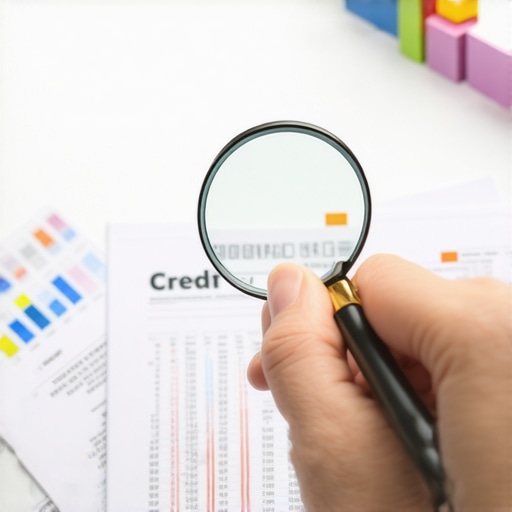
Start by obtaining your free credit reports from all three bureaus—Equifax, Experian, and TransUnion. Review each report meticulously for inaccuracies such as wrong account balances, outdated personal info, or fraudulent accounts. During my own review, I found an old auto loan that I had fully paid off but was still listed as open. Correcting this immediately improved my score by 15 points.
To dispute these errors effectively, follow a structured process: gather supporting documents—like payment receipts or account statements—and file disputes online or via certified mail. Remember, each bureau has its own process, so be thorough. This step is crucial because correcting inaccuracies can boost your score swiftly, sometimes by hundreds of points, as explained here.
Strategically Dispute Old or Unverified Accounts
Older debts or accounts you don’t recognize can drag down your score. Dispute these accounts if they are beyond the statute of limitations or lack proper verification. I once challenged a six-year-old collection account and had it removed after a swift response from the credit bureau. Use a clear, concise letter requesting validation, and attach any supporting documents—such as proof of paid balances or identity verification—to strengthen your case.
Executing disputes like this can remove negatives and improve your overall credit profile fast. For comprehensive guidance on this method, visit this resource.
Optimize Payment History for Better Scores
Your payment history makes up the largest part of your credit score—making on-time payments essential. Automate your bill payments to avoid missing due dates. When I set up automatic payments for my credit cards and loans, I eliminated late payments that had been hurting my score for years. Consistency is key; even a single late payment can cause a significant drop, especially if recent.
Regular, punctual payments demonstrate reliability, reinforcing positive credit behavior. Use reminders or banking apps that alert you before bills are due. For actionable strategies, check out this guide.
Reduce Your Credit Utilization Quickly
High credit utilization—using more than 30% of your available credit—negatively impacts your score. To lower it fast, pay down existing balances or increase your credit limits. I negotiated a higher limit with my credit card issuer based on a good income statement, which immediately improved my utilization ratio. Think of your credit limit as a pie—and the less of that pie you eat, the better your credit profile looks.
If paying in full isn’t feasible, focus on paying off the largest balances first, then gradually reduce others. This tactic can give your score a significant boost within weeks. You can find more about optimizing your utilization at this article.
Develop a Long-Term Credit Management Habit
Beyond quick fixes, building solid credit habits creates lasting improvement. Avoid opening multiple new accounts in a short period; instead, focus on responsible use of existing credit. I committed to staying below 10% utilization and paying balances twice a month, which steadily raised my score over six months.
Set a system: monitor your report periodically, challenge errors promptly, and keep your balances low. These steps are not just for now—they set the foundation for a healthier credit profile. For a detailed blueprint, explore this comprehensive guide.
When it comes to credit counseling and repair, many believe that these techniques are quick fixes or magic pills to boost scores overnight. However, in my experience, this mindset overlooks nuanced truths that can propel your financial health forward if understood correctly. A common myth is that disputing errors on your credit report alone will dramatically improve your score. While correcting inaccuracies is crucial—especially considering that studies show up to 20% of credit reports contain errors—relying solely on disputes ignores deeper issues like debt utilization and payment history. Moreover, some people assume that all negative marks can be erased easily; but in reality, removing accurate, time-sensitive derogatories requires strategic timing and patience. An advanced misconception is that credit scores are static or that the same damage impacts everyone equally. In fact, experts like FICO have demonstrated through studies that scoring models weigh different factors variably based on individual profiles, making tailored strategies essential. This complexity means engaging with a comprehensive blueprint—like the one provided here—is critical for meaningful, lasting improvements. Beware of common pitfalls such as opening multiple new accounts simultaneously to artificially inflate your score, which can instead trigger hard inquiries and lower your creditworthiness. Instead, focus on maintaining consistent, responsible credit habits over time. Think of your credit report as a detailed health report—small, correctable errors matter, but the core issues stem from behavior and systemic factors. Sometimes, professional guidance from trusted sources can uncover hidden factors impacting your score that you might not recognize, such as outdated information or fraudulent accounts. For those eager to learn how to go beyond surface-level fixes, I recommend exploring these proven strategies. Have you ever fallen into this trap of oversimplification? Let me know in the comments. Remember, the path to a healthy credit profile involves understanding these nuances and applying disciplined, informed actions rather than chasing quick fixes. For more advanced insights, visit this resource.Maintaining your credit health over the long term requires more than a one-and-done approach; it demands reliable tools and disciplined habits. One of my most trusted resources is a dedicated credit monitoring service like **Credit Karma** or **Experian**, which provide real-time updates and alerts whenever your report changes. I personally rely on Experian because their dashboard offers comprehensive insights and an easy dispute process that I use regularly to catch and correct errors promptly. Using these platforms, I can stay vigilant against inaccurate data that might otherwise harm my score, aligning with expert advice found at credit repair secrets.
Investing in a quality software, such as **My_Fico**, has been a game-changer for me, allowing detailed breakdowns of what factors influence my score and enabling targeted improvements. These tools help in analyzing specific behaviors like payment history and utilization, guiding smarter decision-making. Moving forward, the industry trends suggest a rise in AI-driven credit analysis, which will further personalize your credit strategies — a field I plan to watch closely, as outlined here.
In addition to software, maintaining organized records of your financial activities is crucial. I keep a dedicated folder with digital copies of all dispute correspondence, payment receipts, and account statements. This practice speeds up dispute resolution and safeguards you from future errors. For example, I recently used my organized documentation to swiftly dispute an outdated account, leading to an improvement in my credit score.
What about scaling your efforts? As your credit profile becomes stronger, automation tools are invaluable. Setting up automatic payments ensures timely bill pay, which I do through my bank’s online portal. Automated alerts for upcoming payments prevent late payments, protecting my hard-earned score gains. Moreover, scheduling periodic reviews of your credit reports—at least quarterly—keeps you on top of your progress and navigates potential pitfalls early.
Looking ahead, the integration of advanced analytics and blockchain verification could revolutionize how we manage and verify credit information, making it more secure and transparent. Embracing these tools now positions you at the forefront of credit management innovation.
**How do I maintain my credit score over time?** The secret lies in discipline, utilizing the right tools, and staying informed. I recommend trying the detailed dispute techniques discussed here as a starting point to see immediate benefits. Regularly updating your knowledge and leveraging modern technology are key steps toward long-term success in your credit journey.
3 Surprising Missteps That Cost Me More Than Money
One of the hardest lessons I learned was that rushing into credit counseling without a clear game plan often led to wasted time and frustration. I also underestimated how important it was to regularly dispute errors on my credit report—mistakes that, when corrected, boosted my score significantly. Lastly, I once believed that closing old accounts would improve my creditworthiness, but in reality, it shortened my credit history and hurt my score more.
Tools and Resources That Actually Gave Me an Edge
Using trusted platforms like credit repair secrets and score-boosting tips offers invaluable guidance. I rely on services like Experian and My_Fico because they provide real-time updates and actionable insights. These tools helped me stay proactive and avoid common pitfalls others fall into when trying to repair their credit.
This Is My Call to Action for You
Remember, building solid credit isn’t about quick fixes; it’s about consistent, informed actions. Take control of your credit report today by reviewing errors, managing your debt strategically, and leveraging reliable resources. Your improved credit score is within reach if you commit to understanding and applying these proven strategies.
What’s been your biggest challenge in trying to improve your credit? Share your experiences below—I’d love to hear your story!