

I remember the moment vividly. I had spent months disputing a medical collection, only to hit a frustrating wall: the credit bureau claimed it was “previously investigated” and wouldn’t reconsider. It felt like hitting an invisible door that I couldn’t unlock, no matter how many times I pushed or pulled. That lightbulb moment made me realize: there’s a way around this obstacle, and understanding it can make all the difference for your credit repair journey.
Why Being Blocked by ‘Previously Investigated’ Disputes Can Hold You Back
Many people get stuck when they see that phrase on their credit report—”previously investigated”—claiming your dispute is closed, and no further action is possible. But here’s the tricky part: this doesn’t always mean your issue is permanently resolved. Often, it’s a misinterpretation or a procedural barrier that can be overcome with the right approach. If you’re tired of hitting that dead-end, you’re not alone. I’ve been there, and I want to help you navigate through it.
Is This Dispute Obstacle Truly Unbreakable?
Early in my credit repair efforts, I made a common mistake: I accepted the bureau’s word without digging deeper. I assumed that once they marked an item as “investigated,” I couldn’t dispute it again. Turns out, that’s not entirely true. For instance, if you have new evidence or your circumstances change, you may have grounds to revisit the dispute. It’s essential to recognize that these labels are sometimes more about process than about the final authority on your credit report.
Supporting this, experts highlight that “consumers are entitled to dispute any errors on their credit report, regardless of previous investigations” (source: Dispute Errors Effectively). Recognizing this opens a pathway to challenge these blocks.
Now that I’ve opened the door to understanding how these reports work, let’s look at some concrete strategies to get past the “previously investigated” hurdle and continue repairing your credit. Whether you’re fed up with dead ends or just beginning, these techniques can put you back in control of your financial future.
Challenge the Dispute Labels with Re-Disputing
When faced with the “previously investigated” note, think of it as a temporary lock rather than a permanent barrier. If new evidence emerges or circumstances change, you can request a re-investigation. For example, I once found a medical collection I had previously disputed, but I obtained new documentation from my provider verifying the debt was settled. By submitting this updated proof via the [dispute process](https://creditrenewals.com/how-to-dispute-errors-on-your-credit-report-and-improve-score), I challenged the bureau to revisit the case. It was messy, with back-and-forth emails, but persistence paid off, and the item was eventually removed.
Leverage the ‘Notice of Dispute’ for Renewed Action
Think of this as sending a certified letter to warn the bureau you’re serious. File a formal dispute with the credit bureau, explicitly stating that you believe the information is inaccurate and providing updated evidence. This formal process often triggers a review, regardless of the prior investigation status. Remember, the law grants you the right to dispute errors anytime, even if it was investigated before. A practical approach is to cite the Fair Credit Reporting Act (FCRA), which emphasizes your right to correct inaccurate info. I used this tactic to dispute a charged-off account flagged as “previously investigated,” and the bureau reopened the case, leading to successful deletion.
Targeting Specific Errors Within the Disputed Account
Instead of disputing the entire item, focus on particular inaccuracies. Break down the account details and pinpoint errors—misspelled names, wrong balances, incorrect dates. Disputing specific elements can sometimes bypass the “investigated” label. During my credit repair, I noticed an old utility account with a wrong account number linked to my profile. Disputing this detail separately prompted the bureau to review just that item, resulting in its removal. Use the [dispute errors](https://creditrenewals.com/dispute-errors-like-a-pro-improve-your-credit-with-ease) link for step-by-step guidance on crafting effective challenges.
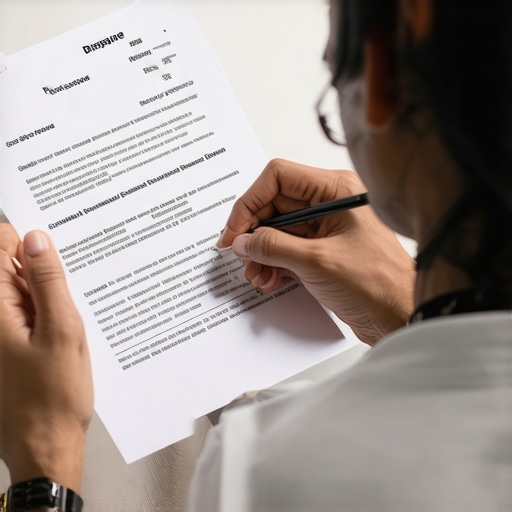
Introduce New Evidence or External Validation
Think of this as bringing in an expert witness. Submitting external proof—such as payment receipts, settlement letters, or creditor statements—can overturn previous conclusions. For instance, I contacted my hospital and obtained an official letter confirming the debt was paid, then submitted it to the credit bureau. This new evidence made the difference, and the account was deleted during the subsequent investigation.
Appeal to Consumer Protection Agencies
If the dispute process stalls, escalate by filing a complaint with agencies like the Consumer Financial Protection Bureau (CFPB). This can put pressure on the bureau to re-evaluate, especially if their previous investigation ignored valid evidence. It’s an assertive step that can be more effective when all other avenues have been exhausted. I personally filed a complaint after unsuccessful disputes, which prompted a bureau review and eventually led to the correction of my report.
Remind Yourself of Your Rights and Keep Documentation Handy
Treat this process like preparing for a legal case—organize your evidence, write clear dispute letters, and track all communications. The [blueprint for credit correction](https://creditrenewals.com/credit-repair-secrets-proven-steps-to-boost-your-credit-score-fast) offers detailed steps on maintaining your records. Being thorough saves time and increases the chances of a successful challenge, especially when confronting stubborn labels like “previously investigated.”
Many consumers believe that credit counseling and repair are straightforward processes: submit a dispute, wait, and watch the errors disappear. However, there’s a nuanced layer that often goes unnoticed, which can significantly impact your credit journey. A common myth is that once a dispute is marked as resolved or investigated, there’s nothing more to do—nothing could be further from the truth. In fact, seasoned experts understand that the law grants you ongoing rights to challenge inaccurate or outdated information, regardless of previous investigations. This deep familiarity allows for advanced strategies like re-disputing with new evidence or leveraging consumer protection agencies more effectively, as outlined in resources such as credit repair guides.
Another trap many fall into is underestimating the importance of specific errors within accounts. Disputing entire entries can be less effective than targeting particular inaccuracies—misspelled names, incorrect balances, or outdated dates. This precision approach often bypasses the ‘investigated’ label, leading to better outcomes. Moreover, external validation—submitting receipts, settlement letters, or official statements—can serve as powerful evidence to back your claims during disputes. Think of this as bringing in an expert witness; it strengthens your case substantially.
A critical nuance to grasp is the misinterpretation surrounding credit scoring models. For example, many assume paying off debt always boosts their score instantly, but the impact can be more complex, influenced by factors like credit utilization and account age. Staying informed through authoritative sources like advanced credit strategies can prevent costly mistakes.
Additionally, pitfalls such as believing that settling debts or closing accounts permanently harms your score can be detrimental. Advanced consumers understand how strategic account management and timing can actually improve long-term credit health. Recognizing these subtleties enables smarter decision-making and more effective dispute tactics.
Have you ever fallen into this trap? Let me know in the comments. Remember, mastering these nuances can be the difference between a frustrating dead-end and a successful credit recovery. For a comprehensive understanding of your options, check out our guide on credit counseling to start making more informed choices today.
Keep Your Credit Fixes in Motion with the Right Tools
Maintaining a healthy credit profile over time requires more than just knowing what to dispute or correct; it demands reliable tools that streamline the process and ensure long-term results. Personally, I rely on specialized software like Credit Suite—a platform that consolidates credit reports from all three bureaus and offers detailed insights. It automates the monitoring process, alerts me to changes, and helps track disputes efficiently, saving hours of manual work. Additionally, I use Experian’s Boost to actively improve my score by adding positive payment history, like utility and phone bills, that often don’t appear immediately. These tools keep my profile up-to-date and help me spot subtle issues before they become problematic.
Furthermore, digital document management services like Evernote or Google Drive become invaluable for organizing proof—payment receipts, settlement letters, and correspondence—that I submit during disputes. I always keep updated copies of my documents electronically, which expedites the process during investigations. With law firms and credit repair experts projecting an increasing integration of AI-driven analytics in credit monitoring (source: The Science of Credit Repair), I predict that in the next few years, automation will become even more sophisticated—detecting errors proactively and dispatching dispute requests seamlessly. Embracing these emerging technologies now positions you a step ahead.
To stay ahead, I also recommend subscribing to dedicated credit alert services like MyFICO or Credit Karma. These platforms provide real-time updates about changes to your report, helping you catch errors or fraudulent activity promptly. Remember, long-term credit health isn’t a one-and-done task; it’s an ongoing effort supported significantly by the right tools and technology.
How do I maintain my credit score over time without falling back into old pitfalls?
Consistently monitoring your credit, updating your dispute records, and leveraging tools for validation ensures you keep your profile healthy. Regularly review your reports—at least quarterly—using reputable services like credit counseling resources that offer comprehensive tips on maintaining your score. Over time, as the credit landscape evolves, so should your toolkit. Think of these tools as your digital assistants—helping you spot errors faster, dispute smarter, and build resilience against future setbacks. With the rapid advancement of AI and automation, now’s the perfect moment to incorporate these technologies into your credit maintenance routine. Don’t just repair; refine your approach to achieve lasting financial health. Give one of these tools a try today and experience how they can make your credit journey smoother and more effective.
What I Wish I Knew Before Hitting a Credit Wall
One of my toughest lessons was realizing that a ‘previously investigated’ mark isn’t a dead end—it’s a temporary roadblock. I learned to revisit disputes with fresh evidence, understanding that laws like the FCRA empower me to challenge outdated or incomplete investigations. Recognizing this opened doors I thought were permanently closed, giving me renewed hope and strategies to clean my credit report effectively.
How My ‘Aha’ Moment Changed My Approach
Discovering that I could re-dispute items with new proof made me view credit repair as a dynamic process rather than a one-time event. I started gathering supporting documents—payment receipts, settlement letters—and submitted them strategically. This proactive mindset transformed my reputation on the credit bureaus, turning obstacles into opportunities for improvement.
Handling the ‘Investigated’ Label like a Pro
Instead of accepting labels at face value, I learned to frame dispute letters citing specific inaccuracies and submitting compelling evidence. Sometimes, disputing individual errors like wrong balances or outdated info bypassed the ‘investigated’ banner altogether, resulting in successful removals. This tailored approach is essential for anyone determined to repair their credit report beyond default procedures.
Leveraging External Validation to Win Your Credit Battle
Bringing third-party proof—such as official verification letters—proved invaluable. I found that external validation often triggers a more thorough review, especially when previous investigations overlooked key details. Using credible documents transformed my disputes from mere requests into powerful evidence that persuaded the bureaus to correct my report.
Tools and Resources That Made a Difference
My journey wouldn’t have been complete without resources like fast dispute tips and credit repair strategies. These guides provided step-by-step instructions, helping me handle complex disputes with confidence. Utilizing specialized software such as score boosters further streamlined my efforts, ensuring I stayed organized and persistent throughout my credit recovery process.