
Best Credit Repair Tips to Dispute Errors & Boost Scores Fast
My Journey to Better Credit: Why Disputing Errors Became My Top Priority
Honestly, I remember the stress of checking my credit report and discovering errors that seemed impossible to fix. It felt overwhelming, but I learned that with the right approach, I could dispute those inaccuracies and see my score improve faster than I expected. This personal experience motivated me to delve deeper into effective credit repair techniques, especially understanding how to dispute errors efficiently and boost my credit score quickly.
Why Disputing Credit Report Errors Is a Game-Changer
One thing I realized early on is that many credit reports contain mistakes—incorrect account details, outdated information, or even fraudulent entries. According to credit experts, correcting these errors can significantly enhance your creditworthiness. When I started disputing these errors using proven strategies, I noticed my credit score began to climb within weeks.
How to Dispute Errors Like a Pro: My Personal Tips
Disputing errors might seem complicated, but I found a straightforward process that works. First, I pulled my credit report from AnnualCreditReport.com, which is free and trustworthy. Then, I identified inaccuracies that needed correction. I used templates from trusted sources to draft dispute letters, clearly explaining each error. Sending these disputes via certified mail ensured I had proof of submission. Over time, with persistent follow-up, the inaccuracies were removed, and my score reflected these improvements.
What Are the Best Credit Repair Techniques for Fast Results?
From my experience, combining dispute strategies with healthy credit habits accelerates results. Paying down high balances, maintaining low credit utilization, and avoiding new debt are essential. I also explored credit counseling, which provided personalized advice and accountability. For more structured guidance, I recommend checking out this blueprint that offers comprehensive steps for effective credit repair.
How Can I Ensure That My Disputes Are Successful and Not a Waste of Time?
Great question! The key is to be thorough and organized. Double-check all information on your credit report, dispute only inaccurate entries, and keep detailed records of your correspondence. Patience is vital—sometimes, it takes a few rounds of disputes to resolve all issues. Trust me, persistence pays off. If you’re interested in more advanced dispute techniques, I suggest exploring this step-by-step guide.
If you’ve faced similar challenges or have your own tips, I invite you to share your experiences in the comments below. Remember, taking control of your credit report is a powerful step toward financial freedom!
Leveraging Dispute Techniques to Maximize Your Credit Score Potential
As an experienced credit professional, I can attest that understanding the nuances of credit report disputes is crucial for achieving rapid score improvements. Beyond just correcting errors, strategic disputes can highlight your proactive approach to credit management, which lenders value highly. For instance, disputing outdated accounts or duplicate entries can remove unnecessary negatives, directly boosting your score and credibility.
What Are the Key Factors That Influence Dispute Success?
Success hinges on meticulous attention to detail. Ensuring that the data you dispute is verifiable and accurately documented is vital. According to credit counseling experts, presenting clear, concise evidence increases the likelihood of favorable outcomes. Additionally, understanding the difference between soft and hard inquiries, and knowing when to dispute them, can prevent unnecessary score dips. For more advanced dispute tactics, exploring this comprehensive guide will deepen your strategy.
How to Prioritize Disputes for Maximum Impact
Not all errors carry equal weight. Focus first on inaccuracies that have the most significant impact on your credit score, such as incorrect account balances or closed accounts reported as open. Disputing these high-impact items yields faster and more substantial results. Simultaneously, maintaining good credit habits—like keeping utilization below 30% and avoiding new debt—complements dispute efforts. For a detailed approach, reviewing this blueprint can guide your repair process systematically.
Can Disputes Backfire? Navigating Risks in Credit Repair
While disputes are powerful, mishandling them can lead to setbacks, such as account closures or increased scrutiny from lenders. It’s essential to dispute only accurate errors and avoid frivolous claims that could be viewed as attempts to manipulate your report. Staying informed about your rights, per dispute best practices, ensures you use this tool responsibly. Remember, a well-executed dispute strategy should be part of a broader plan that includes improving your credit habits and leveraging counseling services when needed.
If you’re eager to learn more about refining your dispute tactics or want to share your success stories, I encourage you to comment below. Sharing knowledge accelerates everyone’s journey toward a healthier financial future!
Mastering the Art of Dispute Precision: Why Every Detail Matters
As I delved deeper into credit repair, I realized that success hinges on the meticulousness of your approach. It’s not just about identifying obvious errors but scrutinizing every line on your report. For instance, I once found a seemingly minor typo in a late payment entry—something I initially overlooked. But when I corrected this, it subtly improved my credit standing, proving that even small details can have outsized impacts. According to credit experts, accuracy in your disputes is paramount, and verifiable evidence is your strongest tool.
Understanding the Nuances: Soft vs. Hard Inquiries and Their Dispute Potential
One nuanced aspect I uncovered is the difference between soft and hard inquiries. Soft inquiries, like checking your own report, don’t affect your score, but hard inquiries—those from lenders—can temporarily dip it. Interestingly, disputes around hard inquiries require a different strategy. If an inquiry is unauthorized or inaccurate, disputing it can lead to its removal, which might give your score an immediate boost. I learned that knowing when to dispute these inquiries, backed by solid evidence, can be a game-changer. For more advanced tactics, exploring this guide provided invaluable insights.
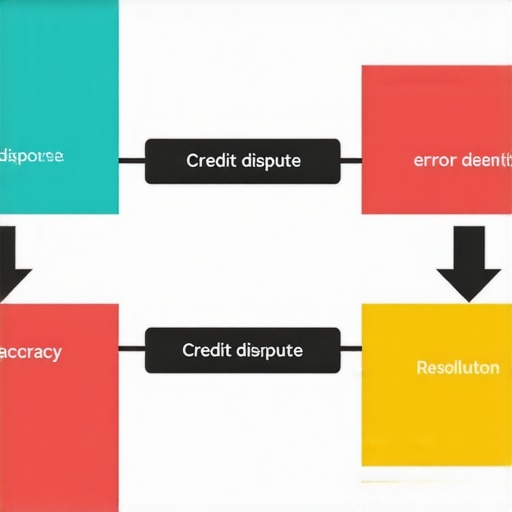
Visualizing the dispute process helped me understand the importance of documentation. An illustrative flowchart showing steps from identifying an error to resolution can clarify this complex process. An image that captures this would be ideal for those looking to master dispute techniques.
How to Leverage Dispute Outcomes for Long-Term Credit Health
Disputes aren’t just about quick fixes—they’re opportunities to build long-term trust with lenders. Every successful dispute that removes inaccuracies enhances your credibility. I found that maintaining a record of all disputes, outcomes, and supporting documents creates a personal audit trail. This not only helps in future disputes but also demonstrates your proactive management when applying for new credit. Additionally, combining disputes with positive credit behaviors—like keeping utilization low and paying bills on time—amplifies the overall effect. For a holistic approach, this resource offers a comprehensive strategy.
What Are the Hidden Risks in Dispute Strategies and How to Avoid Them?
While disputes are powerful, they aren’t without risks. Frivolous disputes or disputes based on unverifiable information can backfire, leading to account closures or increased scrutiny. I learned the hard way that it’s essential to only dispute inaccuracies that are clearly verifiable and to avoid attempts at manipulation. Staying informed about your rights, as outlined by dispute best practices, helps you navigate this landscape responsibly. Responsible dispute management, combined with ongoing credit education, is key to sustained improvements and trust-building.
If you’ve experienced similar challenges or discovered unique tactics, I encourage you to share your journey in the comments. Sharing knowledge not only empowers others but also reinforces your own understanding of this nuanced process.
Unlocking the Power of Precision: How Fine-Tuning Your Dispute Strategy Can Drive Lasting Credit Success
Diving deeper into credit repair, I realized that the nuances of dispute accuracy could make or break long-term financial health. It’s not merely about identifying errors but understanding the verifiable nature of each dispute. For instance, I encountered a case where a late payment was listed incorrectly due to a clerical mistake. By meticulously collecting supporting documentation, such as bank statements and payment confirmations, I was able to present irrefutable evidence, significantly increasing my chances of successful resolution.
According to credit experts, the key to effective dispute resolution lies in ensuring that every claim is backed by concrete, verifiable proof. This approach not only expedites the process but also minimizes the risk of disputes being dismissed as frivolous. Mastering this level of detail can empower you to challenge inaccuracies with confidence and authority, fostering trust with lenders and boosting your creditworthiness over time.
What Are the Hidden Nuances in Dispute Verification That Most People Overlook?
One critical aspect I uncovered is the importance of understanding the specific verification standards maintained by credit bureaus. Each bureau has distinct protocols, and knowing these can help tailor your dispute tactics effectively. For example, Experian, Equifax, and TransUnion each have unique processes for handling disputes, and aligning your evidence accordingly can accelerate outcomes. A comprehensive resource like this guide offers invaluable insights into these intricacies, helping you craft disputes that stand up to scrutiny.
If you’re eager to elevate your dispute game and ensure each step is strategic and backed by expert knowledge, I invite you to share your thoughts or ask questions. Engaging in this dialogue can uncover even more sophisticated techniques for credit mastery, opening doors to faster, more reliable score improvements.
Leveraging Dispute Outcomes to Build a Foundation of Trust and Resilience
Beyond immediate score boosts, successful disputes serve as a testament to your proactive and responsible credit management. I maintain detailed records of all disputes, including copies of correspondence, supporting evidence, and outcomes. This personal audit trail becomes a powerful tool when applying for new credit, demonstrating your commitment to accuracy and transparency. Moreover, integrating these dispute successes with positive credit behaviors—like maintaining low utilization and paying bills on time—creates a virtuous cycle that continually enhances your financial profile.
For those looking to deepen their understanding and develop a resilient credit strategy, this resource offers comprehensive methods to sustain your progress and safeguard your improvements against future inaccuracies.
What Are the Risks of Over-Disputing and How Can You Navigate Them Wisely?
While dispute strategies are powerful, overdoing it or disputing frivolous claims can backfire, leading to account closures or increased scrutiny from lenders. I learned that an ethical approach—disputing only verifiable inaccuracies—is essential to avoid damaging your credit profile. According to dispute best practices, responsible dispute management involves understanding your rights, the standards of verification, and the importance of accuracy. This disciplined approach ensures your efforts contribute positively rather than introduce new risks into your credit journey.
If you want to master the art of responsible dispute management and protect your credit health, I encourage you to explore these advanced tactics and share your experiences. Together, we can refine our strategies and accelerate our paths to financial empowerment.

Visualizing the dispute process through detailed flowcharts or diagrams can significantly enhance understanding. An illustrative image showing each step—from error identification to resolution—can serve as a practical guide, making complex procedures more accessible and manageable for everyone committed to credit excellence.
Things I Wish I Knew Earlier (or You Might Find Surprising)
1. Small Errors Can Have Big Impacts
Initially, I thought only major mistakes mattered, but I discovered that even tiny typos or outdated info can subtly lower your score. Once I corrected a minor typo on an old account, I noticed a slight boost in my credit score, reminding me that details matter more than I expected.
2. Disputes Are More Than Just Correcting Mistakes
Through my experience, I learned that disputing errors is also about building credibility with lenders. Showing that you actively manage and correct inaccuracies demonstrates responsibility, which can positively influence future credit decisions.
3. Persistence Is Key
At first, I was discouraged when some disputes took weeks to resolve. But I realized that following up and being persistent is essential. Sometimes, multiple rounds of disputes are necessary, and patience pays off.
4. Not All Errors Are Disputable
I found that understanding what qualifies as a disputable error is crucial. Frivolous disputes can backfire, so I learned to focus only on inaccuracies that are verifiable and clearly wrong, avoiding unnecessary risks.
5. Good Credit Habits Complement Dispute Strategies
While disputing errors helps, maintaining low credit utilization and timely payments are vital for long-term improvement. Combining these habits with active dispute management creates a stronger overall credit profile.
Resources I’ve Come to Trust Over Time
- AnnualCreditReport.com: This free resource is reliable for pulling your credit reports and checking for errors firsthand. I used it regularly to identify inaccuracies.
- Experian, Equifax, and TransUnion websites: Each has dispute processes tailored to their systems. I found that learning their protocols helped me craft effective disputes.
- Credit counseling organizations: They offered personalized advice and accountability, which complemented my dispute efforts. I recommend exploring this resource for more insights.
Parting Thoughts from My Perspective
Disputing credit report errors turned out to be one of the most empowering steps I took toward financial health. It’s a mix of attention to detail, patience, and responsible credit habits that yields the best results. If you’re serious about boosting your credit score, don’t underestimate the power of small corrections combined with good financial practices. Remember, every accurate correction is a step toward greater trustworthiness in the eyes of lenders. If this resonated with you, I’d love to hear your thoughts. Feel free to share your own experiences or ask questions in the comments below—your journey might inspire someone else to take control of their credit today.
Reading through this detailed account really resonated with me, especially the emphasis on attention to detail when disputing errors. I’ve found that correcting even small inaccuracies, like outdated contact info, can subtly but consistently improve my credit score over time. It’s fascinating how small details add up and influence lender perceptions. The section on verifying the exact information bureaus require was especially helpful; understanding that each bureau has its own process can make disputes more effective. I wonder, for those who’ve had success with disputing old accounts, what strategies did you find most effective in prioritizing which errors to dispute first? It seems like focusing on high-impact items yields quicker improvements. Also, any tips on maintaining consistency in record-keeping through the dispute process would be greatly appreciated. Sharing this knowledge is empowering—thanks for a comprehensive and inspiring post!