

I remember the moment clearly. I had just received a call from a so-called debt collector, demanding payment for an account I didn’t recognize. My heart sank. Frantically, I looked up what I thought I knew about debt collection, only to realize I was just skimming the surface. That lightbulb moment hit hard—how could I be sure this creditor actually had the legal right to chase me for money?
Why You Need to Confirm Who’s Really After Your Wallet
Many folks assume that if a debt appears on their credit report, it’s legitimate, and they just need to settle it. But the truth is, not every company claiming to be a creditor truly has the authority to enforce the debt. Scammers and junk debt buyers often buy old, unverified accounts and try to collect on them. This can lead to paying for debts you don’t owe or, worse, falling victim to identity theft or fraud.
Early in my credit repair journey, I made the mistake of trusting every debt collector at face value. I paid a few legitimate-looking agencies only to find I had been duped—a costly lesson. Since then, I’ve learned that verification is your best weapon. It’s about protecting yourself and reclaiming control over your financial life.
Is Everything Claimed As a Debt Actually Valid?
According to the Federal Trade Commission, consumers have the right to request proof that a debt collector actually owns the debt they claim to be collecting. But many people skip this critical step, leaving themselves vulnerable. The key is knowing how to verify—by requesting validation and understanding your legal protections. Want to learn more? Check out this step-by-step guide to disputing errors for detailed strategies.
So, have you ever faced a situation where a debt collection call left you wondering if it was real? Trust me, you’re not alone. And the good news is, you can take proactive steps to confirm whether your debt is valid or if it’s just another scam trying to pull one over on you.
Now, let’s explore exactly how to verify a creditor’s claim and protect yourself from falling prey to misinformation or fraud. The process isn’t as complicated as it seems—and taking this simple step could save you thousands and prevent unnecessary stress.
Gather the Necessary Documentation
Before you contact the creditor, collect all relevant documents, such as your credit reports, bank statements, and any correspondence related to the debt. Having these at hand speeds up the verification process and provides proof if needed. Think of it as assembling your tools before fixing a leak—being prepared makes the job smoother.
Request Debt Validation in Writing
Contact the debt collector or creditor in writing and request a detailed validation of the debt. Use certified mail with return receipt requested to ensure proof of delivery. In your letter, specify that under the Fair Debt Collection Practices Act, you’re entitled to see verification before paying. This formal step sets the tone that you mean business. I recall a time I sent a validation request that, after weeks, resulted in the collector dropping the account entirely—saving me stress and money.
Verify the Creditor’s Ownership of the Debt
Once you receive their response, scrutinize the documents carefully. The verification should include the original creditor’s name, account number, and proof of ownership. If the collector claims to own the debt but provides no supporting evidence, it’s a red flag. Use legal language: ask them to prove they own the account, not just service it. Remember, some scammers might send vague statements or fake documents, so look for consistency and authenticity.
Check the Details Against Your Records
Compare the details provided with your own records. Are the amounts, dates, and creditor names correct? If discrepancies appear, document them meticulously. This can be crucial if you need to dispute the debt later. Think of this step as cross-examining witnesses in a trial—do their stories match the facts?
Dispute if Necessary
If the creditor cannot provide valid proof or if the information conflicts with your records, formally dispute the account with the credit bureaus. Use a comprehensive dispute letter—consider reviewing this guide to master credit disputes to craft your appeal. This process can lead to the removal of false charges that hurt your score, saving you from wrongful damage to your financial reputation.
Maintain Records of All Communications
Keep copies of all correspondence, dates sent and received, and any responses. This documentation is your shield if the debt reappears or if you need to escalate your case. Think of it as your personal legal file—essential for peace of mind and effective dispute management.
Use Visual Aids to Clarify Complex Data
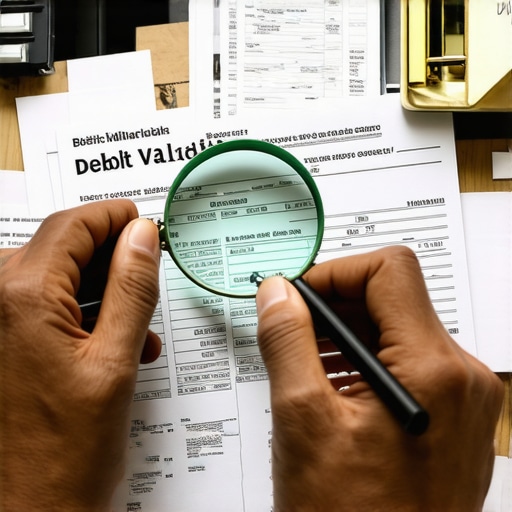
This illustrative image shows the step-by-step process of requesting and analyzing debt validation documents, helping you understand what to expect at each stage.
,Many believe that repairing credit is simply about paying off debts and waiting for scores to improve, but the reality runs much deeper. A critical misconception is that all negative marks are equally fixable, which isn’t true. For example, some consumers overlook the importance of challenging outdated or inaccurate information, leading to prolonged effects on their score. The nuanced factor here involves understanding how different types of errors influence your creditworthiness and knowing which disputes can genuinely help. Relying solely on basic debt reduction strategies without addressing reporting inaccuracies can be a costly mistake. According to a study by FICO, nearly 25% of consumer credit reports contain errors significant enough to impact their score, yet many dismiss the power of dispute techniques. This gap in knowledge often results in missed opportunities for rapid improvement.
Why is disputing outdated or incorrect public records more effective than just paying down debts?
Because targeted disputes can remove severe blemishes like old bankruptcies or liens that artificially deflate your score, whereas paying debts doesn’t alter the reporting history unless accompanied by strategic interventions. Moreover, many think that increasing credit limits always boosts their score. While higher limits can reduce utilization ratios, if not managed properly, they might trigger inquiries or unintended debt buildup, which could harm your score. Advanced credit repair involves a detailed analysis: reviewing your credit report with tools like dispute-error expertise and understanding the specific scoring factors, such as the age of accounts or the types of credit in use. Many overlook how these nuanced elements affect score trajectories over time, especially when employing aggressive strategies like authorized user accounts or debt consolidation, which can backfire if misapplied. For instance, closing old accounts may shorten your credit history, detrimental to your overall score, despite reducing available debt. Recognizing and navigating these subtleties can accelerate your progress and prevent common pitfalls. Want to ensure you’re not falling prey to these myths? Dive into scientific approaches to credit repair for a comprehensive overview. Remember, effective credit improvement is an orchestrated effort—it’s about strategic disputes, understanding scoring nuances, and avoiding the traps of oversimplified advice. Have you ever fallen into this trap? Let me know in the comments. Understanding these hidden complexities can transform your approach from hopeful to expert, ensuring every effort counts toward a healthier credit profile.
How do I keep my credit healthy over time?
Maintaining a good credit score requires more than just initial repairs; it’s an ongoing process that benefits from the right tools and disciplined habits. Personally, I swear by credit monitoring services like Credit Boosters because they provide real-time updates on your report changes, helping me catch errors before they impact my score. Setting up alerts for new inquiries or account activity is a key step in proactive credit management.
Another indispensable resource is a comprehensive credit dispute platform such as Dispute Errors Effectively. Using this tool, I regularly audit my records to correct outdated or inaccurate information, which, as studies show, can influence your score by up to 25% if left unresolved. Regular disputes prevent small errors from snowballing into larger issues, and the platform streamlines this process with step-by-step guidance.
Moreover, adopting a budgeting app like Financial Freedom Tracker helps me keep debt-to-income ratios low and avoid inadvertent missed payments. Automating payments ensures bills are paid on time, which is crucial for long-term score stability. Over time, these tools create a safeguard against behaviors that could undo your repair efforts.
It’s vital to automate as much as possible because consistent, disciplined financial behavior compounds over months and years. For example, setting up automatic payments for credit cards and loans confirms your account stays current, reducing the risk of late payments—a common cause of score dips. Additionally, reviewing your credit report at least quarterly, using free annual check-ins or services like Fast Credit Repair Tips, maintains transparency and accountability.
Future trends in credit maintenance speak to integration and AI
Looking ahead, the integration of AI-driven financial advisory tools will make it easier to identify potential risks before they materialize. Advanced algorithms can predict how specific actions, such as applying for new credit or closing accounts, will influence your score. Staying informed about these developments, and employing such tools early, can give you a significant edge.
One proactive tip I recommend is to incorporate regular, detailed audits of your credit report using a platform like The Science of Credit Repair. This helps detect anomalies early and leverages expert techniques, making your repair effort sustainable and scalable.
Remember, consistency and awareness are your best allies in long-term credit health. Don’t wait for errors or issues to escalate—use these tools now to keep your credit working smoothly for years to come. To get started, try setting automatic alerts on your credit monitoring app today!
The Hard-Won Wisdom Nobody Tells You About Credit Verification
One of the most eye-opening lessons I experienced was discovering how easily scammers and unverified entities can manipulate the system. I realized that merely trusting the presence of a debt on my report was a gamble. The lightbulb moment came when I understood that verifying the legality and ownership of each claim isn’t just a step—it’s your shield against fraud and costly mistakes.
Implementing a meticulous verification process not only saved me money but also restored confidence in my financial credibility. It became clear that understanding the true origin of debts transforms the entire credit repair journey from guesswork to strategic mastery.
Resources That Transformed My Approach to Credit Control
My journey was revolutionized by tools like Dispute Errors Effectively, which guided me through the nuances of crafting powerful dispute letters. I also rely on The Science of Credit Repair, providing scientific insights that helped me understand scoring factors at a deeper level. And for monitoring, Credit Score Boosters keeps me ahead with real-time updates, catching errors before they harm my score. These tools are essential for anyone serious about transforming their financial life.
Believe in Your Power to Change Your Financial Path
Taking control of your credit isn’t just about fixing errors; it’s an empowering act of self-care and long-term planning. Know that every small step brings you closer to financial freedom—whether it’s verifying a debt or disputing an error. Remember, the tools and knowledge are out there; now it’s your turn to seize them and rewrite your credit story.