

It happened during one of my routine credit report checks—an unsettling surprise that left me puzzled and frustrated. I viewed my latest statement and noticed an unexpected balance lingering on a credit card I had already closed months earlier. How could an account I thought was done and dusted still be affecting my credit report? That lightbulb moment revealed just how confusing and overlooked this issue can be, even for those of us who think we’re on top of our finances. Maybe you’ve been in a similar situation, wondering why a closed account still impacts your credit score or how to fix it.
Why an Incorrect Balance on a Closed Credit Card Really Matters
Having an incorrect balance showing up after closing a credit account isn’t just a minor hiccup—it’s a potential obstacle to improving your creditworthiness. Lenders and credit scoring models often consider your overall debt levels, your credit utilization ratio, and how responsibly you’ve handled your accounts. If a closed account still shows a balance—or worse, a delinquent one—it can cause your credit score to dip unexpectedly. I learned this firsthand when I found that my score dropped shortly after I paid off my credit card, simply because the creditor hadn’t updated my account status.
This revelation made me realize how crucial it is to actively monitor and dispute inaccuracies on your credit report. Early missteps can lead you down a path of unnecessary confusion and stress. A mistake I made early on was assuming that paying off a debt would automatically clear any lingering balances—they often don’t. Instead, you need to ensure the creditor reports the account as closed and paid in full. For practical insights, you can check out comprehensive resources like this guide on effective credit repair.
But what if your creditor hasn’t updated their records? That’s where dispute processes come in, and I’ll walk you through the steps to do it successfully. Have you ever experienced a balance lingering on a closed account that was supposed to be fully settled? If so, you’re not alone—and there is hope.
Is Disputing Your Credit Balance Worth the Effort?
Initially, I underestimated how much effort it would take to correct these discrepancies. But I quickly learned that proactive dispute resolution is one of the most effective ways to clean up your credit report. As I navigated this process, I avoided common pitfalls—like neglecting to gather sufficient documentation or failing to follow up diligently—mistakes that can delay or even prevent successful corrections. To ensure you’re doing it right, I recommend reviewing step-by-step guides like this detailed blueprint for credit recovery.
So, if an incorrect balance on a closed credit card has affected your score, take heart. With patience and the right knowledge, you can dispute and rectify these errors. Let’s explore the exact steps I took—and that you can follow—to restore accuracy and confidence in your credit report.
Identify the Discrepancies Clearly
The first step I took was to obtain my free annual credit reports from the three major bureaus at this link. I meticulously reviewed each report, pinpointing the specific account with the lingering balance. Think of this as tagging the trouble spot on a map before embarking on the repair journey.
Gather Supporting Documentation
Next, I collected evidence to support my claim. This included the account closure statement from my credit card issuer, recent payment confirmation emails, and any correspondence indicating the account was settled. This step is akin to assembling your tool kit; precise tools increase your chance of success. Remember, solid documentation transforms your dispute from a shot in the dark to a targeted strike.
File Your Dispute Correctly
I visited each bureau’s online dispute portal—like navigating a guided map—to submit my claims. When filling out the forms, I clearly described the error, mentioning the account number and the incorrect balance. I uploaded my supporting documents and highlighted the discrepancies. Think of this as drawing a precise target on your digital map, increasing the likelihood of swift correction. For detailed instructions, this step-by-step guide proved invaluable.
Follow Up Diligently and Keep Records
After submitting my disputes, I scheduled calendar reminders to follow up within 30 days. Each correspondence was logged, including dates, responses, and any new information received. Imagine tracking your progress like a detective gathering evidence—this persistence often makes the difference. If responses were delayed or inadequate, I escalated the disputes by contacting the bureaus directly via phone or mail, referencing my case numbers.
Respond to Bureau Feedback with Additional Evidence
If the bureaus requested more details or provided their decision, I reviewed their replies carefully. When my dispute was rejected, I revisited my evidence and clarified my points in a formal letter, emphasizing the supporting documentation. This process is similar to a courtroom trial—presenting your strongest case with clear, undeniable proof. Remember, persistence and clarity are your allies in this fight.
Monitor Your Credit Report After Resolution
Once the bureau updated their records, I re-checked my report to confirm the correction. This is the victory lap, similar to receiving confirmation that a persistent leak has been fixed. Regular monitoring helps catch new errors early, preventing future damage to your credit score. For ongoing vigilance, consider setting up alerts with reputable credit monitoring services.
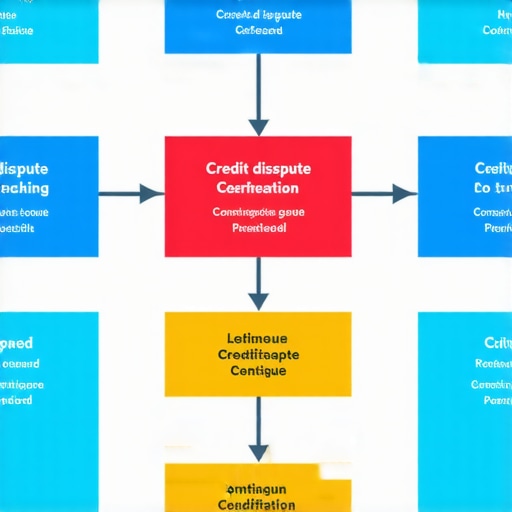 Many people assume that credit counseling and dispute processes are straightforward, but the reality is far more nuanced. For example, a widespread misconception is that once you dispute an error, it automatically disappears from your report—this isn’t always true. In my experience, the *truth* is that the validity of your evidence and understanding the bureaus’ dispute mechanisms greatly influence success. A hidden nuance is that some companies promise quick fixes, but in reality, detailed documentation and persistence are key. Many fall into the trap of believing that paying off debts always boosts credit scores—yet, if you’ve recently closed an account with a high balance, it can temporarily lower your score due to altered credit utilization ratios. Moreover, there’s a misconception that credit scores are static; in fact, they fluctuate based on numerous factors like new inquiries, utilization, age of credit, and more, as detailed in this guide.
Misunderstanding the impact of credit inquiries can also lead to mistakes—many believe every inquiry damages their score, but only hard inquiries have a significant effect, and even then, it diminishes over time. Beware of the common myth that closing old accounts will necessarily improve your score; in reality, it can shorten your credit history, potentially lowering your score temporarily.
A significant trap to avoid is relying solely on credit repair companies without understanding your rights and the dispute process. Most reputable sources recommend learning how to dispute errors yourself using comprehensive resources like this guide.
Expert opinion from financial advisors underscores that a strategic approach, combining dispute efforts with responsible credit usage, yields the best long-term results. For instance, experts highlight that maintaining low credit utilization and avoiding unnecessary inquiries are about more than appearances—they directly influence your score in ways that often surprise consumers. To optimize your credit health, consider reading these proven strategies for 2025.
Remember, the process isn’t just about fixing mistakes but cultivating habits that sustain healthy credit over time. Have you ever fallen into this trap? Let me know in the comments.Maintaining your credit health over the long term requires more than just understanding disputes and credit scores—you need reliable tools and disciplined methods to ensure your hard work pays off. One of my most trusted methods is using dedicated credit monitoring apps like Experian or TransUnion, which provide real-time alerts whenever there’s activity on your report, allowing prompt action to prevent errors from snowballing. I personally prefer Experian’s app because of its user-friendly dashboard and detailed account alerts; it helps me catch discrepancies immediately, preventing minor issues from escalating.
Besides monitoring, employing a secure document management system is crucial. I use a cloud-based service like Dropbox, organized into folders for each credit-related document—credit reports, dispute confirmations, ID verification—so I can quickly access and upload these in disputes or inquiries. Keeping your digital records organized can significantly shorten response times when resolving issues or appealing errors.
Another powerful tactic is building a habit of scheduled review sessions. Every quarter, I dedicate time to scrutinize my credit reports from all three bureaus. This proactive approach reveals potential errors and ensures your credit profile stays aligned with your financial goals. To enhance this process, I utilize a template I developed inspired by the advice in this comprehensive credit repair blueprint, which guides me through specific checks and updates.
Looking ahead, I believe that advanced AI-driven analytics will become essential for personalized credit management. These tools will not only alert you of discrepancies but also predict the impact of financial moves, helping you make smarter decisions. For now, focusing on robust credit monitoring and meticulous record keeping remains the best strategy.
How do I maintain my credit report over time without slipping back into old habits?
Consistency is key. I set up automatic payments for my bills and credit cards to avoid late payments, which are among the most damaging factors. Additionally, I periodically review my credit utilization ratio—keeping balances low relative to credit limits—as it’s a significant influencer of my credit score. Regularly checking my reports for unfamiliar activity ensures I stay vigilant against identity theft or reporting errors. For an extra layer of protection, I’ve started using a virtual credit card for online purchases, which adds a safeguard against fraud and helps track spending more precisely.
Speaking of staying ahead, did you know that using a reputable credit monitoring service can help detect potential problems early and allow you to take swift action? Using technology wisely is shaping the future of credit health management—embrace these tools now to set yourself up for long-term success. For example, many users overlook the importance of dispute documentation steps—if you want to master this, I recommend trying the detailed process outlined in this dispute guide and see how it can streamline your efforts.
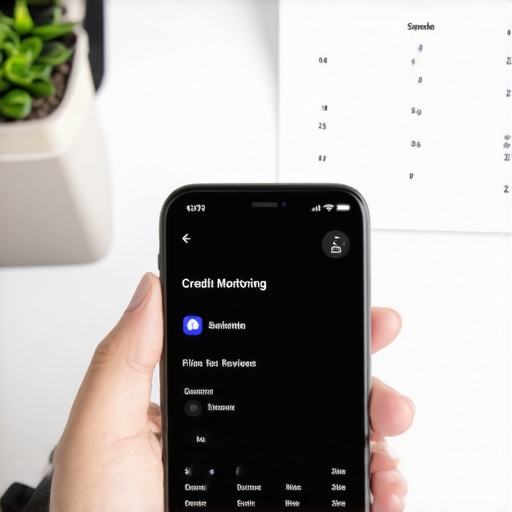
Investing in the right tools like comprehensive credit monitoring apps, organized digital files, and scheduled review routines creates a resilient foundation for your credit health. Remember, the more disciplined and proactive you are, the less likely you’ll face surprises. Challenge yourself today: set up automatic alerts and organize your documents—small steps now pave the way for substantial long-term gains. As credit trends evolve, staying informed and prepared ensures your finances remain secure and healthy.
What I Wish I Knew About Credit Disputes Before I Started
One of the most eye-opening lessons was realizing that disputing errors isn’t a quick fix—it’s part of a strategic process that demands patience and meticulous attention to detail. I used to believe that sending a single dispute letter would solve everything, but I discovered that persistent follow-up and strong documentation significantly boost success rates. This insight transformed my approach, reminding me that mastery in credit repair is about consistency and understanding the finer points of the dispute process.
My Personal Revelation About Credit Scores and Long-Term Habits
Initially, I thought paying off a debt was enough to boost my score. However, I learned that maintaining low credit utilization, avoiding unnecessary inquiries, and keeping old accounts open are crucial for sustained credit health. This epiphany helped me shift from short-term fixes to building habits that support long-term financial stability, highlighting that your credit report reflects your ongoing financial behavior, not just isolated actions.
Strategies Banks Don’t Advertise for Improving Credit Fast
Many lenders overlook the power of low credit utilization and strategic account management. I found that requesting higher credit limits and actively managing existing accounts can dramatically improve scores—sometimes faster than waiting months for honors and updates. These tactics aren’t always highlighted in mainstream advice, but they are game-changers for anyone looking to accelerate their credit recovery.
Where I Go for Trusted Credit Advice That Works
Over time, I curated a set of resources that proved invaluable, including credit repair guides for step-by-step dispute strategies, insights into credit score factors that really matter, and reliable credit monitoring services to stay vigilant. Trusting these sources has empowered me to make smarter, more informed decisions—tools I recommend to anyone committed to improving their credit report beyond the basics.
Believe in Your Ability to Rebuild Confidence in Your Credit Report
Taking control over your credit report can feel overwhelming, but remember, every small step adds up. Whether you’re disputing inaccuracies, monitoring your progress, or adopting responsible habits, these actions are investments in your financial future. Your credit report isn’t static—it’s a reflection of your ongoing efforts. Start today, stay persistent, and soon you’ll see a healthier, more accurate report that opens doors to new opportunities.