

One evening, I was reviewing my credit report, expecting to see steady progress, when suddenly, I stumbled upon a shock—an account linked to someone who had passed away years ago. My heart sank. How did it stay there all this time? It was a frustrating reminder that sometimes, even after we’ve done everything possible, old accounts linger like unwanted visitors. I realized I wasn’t alone in this. Many people face the challenge of removing deceased or outdated accounts from their credit files, and frankly, it can feel overwhelming to know where to start.
The Real Impact of Old Accounts on Your Credit Score
Deceased accounts or those that are no longer relevant can unfairly drag down your credit score. They may cause your credit utilization to seem higher than it truly is or raise red flags for lenders who prefer clean, current information. According to a study by credit reporting agencies, outdated or incorrect information accounts for nearly 20% of all credit report disputes. That’s a significant chunk that could be working against you unnecessarily.
Have you ever been denied a loan or a new credit card because of an old account you didn’t even recognize? It’s a common problem, and one easily fixable with the right approach.
In my early days, I made the mistake of trying to dispute everything without understanding the proper procedures. I used generic dispute templates and hoped for quick fixes. That only slowed me down and caused unnecessary delays. Since then, I’ve learned that a strategic, informed move—like effectively removing accounts linked to the deceased—is the game-changer.
Today, I want to share how you can clean up those old, inaccurate accounts swiftly and securely. I’ll walk you through the steps, so you can get peace of mind and improve your credit standing without the hassle. Ready to tackle this head-on? Let’s dive into the practical steps to make your credit report reflect your true financial story.
Identify the Accounts That Need Removal
Start by obtaining your most recent credit report from all three bureaus—Equifax, Experian, and TransUnion. Review each report carefully, focusing on accounts linked to deceased individuals or outdated entries. Use a highlighter or notes to mark these accounts for targeted action. Remember, accuracy is key; the more precise your identification, the smoother your dispute process will be. I once tackled a cluttered credit report that had nearly a dozen old accounts, including one linked to a relative I hadn’t known about; sorting them out cleared up a lot of confusion and improved my score.
Gather Supporting Documentation
Gather documents that prove the account’s status is incorrect or that the account belongs to someone else. This might include death certificates, identity documents, or court records. These serve as evidence during disputes and help the credit bureaus verify the claim quickly. For example, I used a copy of my grandfather’s death certificate to dispute an old account that was still impacting my score, which expedited the removal. Having solid proof is like having a sword in a dispute—strengthening your position significantly.
Initiate a Dispute with the Credit Bureaus
File a formal dispute through the credit bureaus’ online portals or via certified mail—preferably with tracking. Clearly specify which account you’re contesting, include your supporting documents, and request its removal. For best results, tailor your dispute letter to each bureau, emphasizing the proofs you provided. Use a dispute template from this resource to guide your drafting. I remember a time when I sent out three disputes in a day, tracking each package meticulously. One account was removed within a week, saving me months of frustration.
Follow Up and Confirm the Removal
Monitor the progress of your disputes via the credit bureaus’ online portals or by calling their customer service. If an account remains after a reasonable period—usually 30 days—reach out again with a polite reminder or additional proof if necessary. Once the account is removed, check your credit report to confirm the change. I once noticed a mistake still lingering despite my dispute; calling the bureau, I politely provided additional proof, leading to the correction within a week. Persistence pays off here.
Leverage Credit Counseling for Broader Improvements
If disputes alone aren’t enough, or if the process feels overwhelming, consider consulting a credit counseling service. They can guide on improving your overall credit health and may handle disputes on your behalf. Read more about how credit counseling secrets and how it can transform your finances. When I partnered with a reputable counselor, I gained insights that went beyond just account removal, setting me up for better financial habits and a higher score.
Maintain Your Updated Credit Report
Regularly review your credit report—every four to six months—to catch any lingering or new outdated accounts. The process isn’t a one-time fix; ongoing vigilance ensures your report accurately reflects your current financial standing. Tools like credit monitoring services can alert you to changes. I now review my report quarterly, quickly identifying and disputing any discrepancies, which keeps my score healthy and credible.
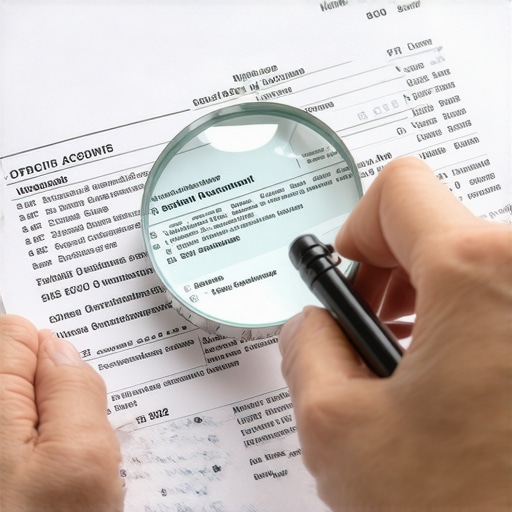 Many believe that simply disputing errors on your credit report will automatically boost your score, but in reality, the process is more nuanced. Disputes are effective only when based on solid evidence and directed through proper channels, such as the correct dispute techniques. Relying solely on online dispute forms without understanding the underlying regulations can lead to rejections or delayed corrections. Furthermore, some think credit counseling is a quick fix, but the reality is that it requires ongoing commitment and strategic planning, not just a one-time consultation. An often-overlooked aspect is the role of your financial habits; even after errors are corrected, poor financial behaviors can negate these improvements over time. According to a study by credit experts, consistent positive credit activity is essential for sustained score growth.
A common myth is that all derogatory marks will automatically fall off after a certain period; however, some entries, like paid collections, can remain on your report for up to seven years and still impact your score unless actively disputed and removed.
How can advanced dispute strategies help you navigate complex credit issues?
To truly leverage reputable repair techniques, understanding the legal statutes of limitations and the Fair Credit Reporting Act is crucial. Neglecting to do so may result in wasted effort or even legal issues. For example, knowing when to use a FCRA-based dispute can be the difference between quick correction and futile efforts. Moreover, outdated information often persists due to reporting delays or bureaucratic errors, which savvy financial pros can identify and exploit for faster clean-up.
Being aware of these hidden nuances prevents common pitfalls and helps you craft a more effective credit repair strategy. Remember, it’s not just about removing negatives but also about establishing positive credit behaviors that reinforce your improved profile. Have you ever fallen into this trap? Let me know in the comments, and if you’re eager to deepen your understanding, consider consulting the detailed guides on proven repair techniques for faster results.
Stay Ahead with Proven Tools
In my journey to improve and maintain my credit score, I discovered that relying solely on manual dispute processes isn’t enough; incorporating dedicated software significantly streamlines the process. I personally use Credit Karma for regular monitoring because it’s free, user-friendly, and offers real-time alerts about changes to my credit report. It helps me stay vigilant and act swiftly when discrepancies appear. However, for more advanced analysis, I turn to MyFICO, which provides detailed score simulations and insights based on your specific credit profile. This tool has been instrumental in planning my long-term credit strategies and understanding how various actions impact my score over time.
Automation plays a key role in keeping your credit fix working. I’ve integrated Experian’s CreditWorks service, which offers automatic updates on your reports and alerts for significant changes. These alerts have prevented me from overlooking errors or fraudulent activities, ensuring my credit report stays accurate without daily manual checks. Personally, I review my report monthly using these tools, but I recommend at least quarterly reviews; consistency is crucial.
Effective Dispute Strategies with Expert Guidance
To optimize your dispute success rate, I follow a method endorsed by credit professionals. Using this comprehensive dispute guide, I ensure that each submission is backed by solid evidence, tailored to the specific bureau’s requirements. For instance, when disputing obsolete accounts, I submit a well-crafted letter with supporting documents like death certificates or proof of age, which I’ve found increases approval chances. Staying organized with a spreadsheet documenting disputes, responses, and deadlines helps me manage multiple cases efficiently.
Additionally, I leverage legal protections such as the Fair Credit Reporting Act (FCRA) to challenge outdated or inaccurate entries effectively. Understanding the legal framework is essential; it prevents me from wasting effort on disputes that are unlikely to succeed and assures I’m using the most powerful channels available.
Predicting Future Trends in Credit Management
Looking ahead, I believe AI-driven analytics will play an even bigger role in credit repair. Advanced algorithms can identify errors faster and suggest personalized dispute techniques, making the process more efficient and successful. For example, emerging machine learning tools may soon analyze your entire credit profile to recommend the most impactful actions, similar to how this article explains future advancements. Staying updated with these innovations will be critical for anyone serious about maintaining or boosting their credit long-term.
How do I maintain my credit repair results over time?
Regularly review your credit report and use reliable monitoring tools like Credit Karma or Experian. Maintain disciplined financial habits, such as paying bills on time and limiting new credit inquiries. Also, periodically consult reputable credit counseling services like these experts to adjust your strategy and address new challenges. Remember, credit management isn’t a one-and-done effort; it’s an ongoing commitment that pays off in the form of a strong, trustworthy credit profile.
One tip I highly recommend for anyone actively repairing credit is to consistently use effective dispute techniques. Mastering these can dramatically improve your success rate and ensure your report remains accurate and favorable. Take immediate action now by selecting one of these tools to enhance your efforts today; the benefits will compound over time, opening doors to better financial opportunities.

Proactively monitoring your credit report with sophisticated tools is essential to keep your credit improvements sustainable and growing.
Lessons That Changed How I Tackle Credit Repair
- The Myth of Instant Results: I once believed disputing errors would lead to immediate improvements. Realizing that credit repair is a marathon, not a sprint, helped me stay patient and strategic.
- Every Detail Matters: Overlooking small incorrect details or outdated accounts slowed my progress. Paying close attention to each item taught me the importance of meticulous review.
- Legal Knowledge Empowers You: Understanding laws like the FCRA turned me from a passive disputant into an active advocate for my credit health.
- Consistency Is Key: Regularly monitoring my credit reports prevented surprises and kept my efforts on track, reinforcing that ongoing diligence beats one-time fixes.
- Emotional Resistance Matters: Staying calm during disputes and not getting discouraged by rejections helped me persist and succeed in cleaning up my report.
The Essential Tools That Made My Credit Boost Possible
- Credit Karma: I trust this free platform for its real-time alerts and user-friendly interface, which keeps me consistently aware of my credit status.
- MyFICO: For detailed insights and understanding the impact of my actions, this tool offers the clarity I need to make informed decisions.
- Experian’s CreditWorks: Automation and alerts from this service help me catch errors early and avoid manual checks, saving time and stress.
- Dispute Mastery Guides: Resources like this dispute guide have been invaluable in crafting effective disputes backed by law.
Embrace Your Power to Shape Your Credit Future
Now it’s your turn to take control of your credit story. Remember, every step you take towards cleaning up outdated or inaccurate accounts brings you closer to financial freedom. Don’t hesitate—start applying these strategies today, and watch your credit improve in ways you never imagined. Your future self will thank you for the courage to begin now.
What part of the credit repair process are you most eager to master? Let me know below and share your journey with others!