

I remember the exact moment I hit rock bottom with my credit. It was late at night, frustration boiling over, when I discovered a minor error on my credit report that I had overlooked for years. That tiny mistake threatened to tank my chances of buying a home—and I felt helpless, almost ready to give up. But then I realized something crucial: the key to fixing my credit wasn’t just about paying debts or clearing inquiries. It was about one simple document—proof of my identity and past financial actions—that could turn the whole situation around.
The Power of the Documents That Prove Your Identity and Save Your Dispute
Have you ever felt overwhelmed by credit report errors, unsure where to start or if your efforts really matter? You’re not alone. Early on, I made the mistake of thinking that disputing errors was a lengthy, ineffective process. I hadn’t grasped that having the right documents could speed up and strengthen my case, leading to real improvements. Today, I want to share how understanding and wielding this one vital document changed everything for me—and how it can do the same for you.
Supporting this, a study by the credit expert community emphasizes that proper documentation is the backbone of effective credit repair. Without it, disputes often get ignored or dismissed. So, what exactly are these documents? They serve as undeniable evidence that verifies your identity, clarifies your responsibilities, and proves any past actions you want to be reflected accurately. When you present them correctly, you’re telling the credit bureaus: “Here’s the truth, and here’s the proof.”
In the coming sections, I’ll walk you through the most critical documents, how to gather them, and how to use them to dispute inaccuracies or challenge negative marks confidently. If you’ve ever felt lost in the maze of credit repair, this information might just be the game-changer you need. So, before we dive into the step-by-step process, ask yourself: Have you ever faced a tricky error on your credit report that seemed impossible to resolve? If yes, keep reading. Your solution might be closer than you think, hidden in a simple piece of paper waiting to prove your story.
Gather the Necessary Documents with Precision
Start by collecting proof that validates your identity and clarifies past financial actions. This includes recent utility bills, bank statements, pay stubs, and official correspondence from lenders. Think of these documents as your legal armor—without them, your dispute is vulnerable. I once had a messy pile of random papers, but organizing them by date and relevance helped me quickly find the ones needed for disputes, significantly speeding up the process.
Identify and Pinpoint Inaccuracies
Next, carefully review your credit report for errors. Use a highlighter to mark outdated accounts, incorrect balances, or wrongly reported late payments. This step is crucial because disputing the right errors has a direct impact on your score. For example, I noticed a paid collection that still appeared as unpaid; pinpointing this mistake was the first step to resolving it.
Craft a Clear and Concise Dispute Letter
Your dispute letter is like a legal affidavit—precision matters. Clearly state each error, include supporting document references, and specify the correction you seek. Use bullet points for clarity and keep tone professional. I learned that directly quoting account numbers and citing specific dates made my disputes more credible, prompting faster responses from credit bureaus.
Send Your Dispute via Certified Mail
Mail your dispute using certified mail with return receipt requested. This creates a paper trail, much like sending a registered letter—proof of your effort and date of submission. I once mailed a dispute, followed up after two weeks, and received an updated report confirming the correction. This step is non-negotiable for ensuring your dispute receives proper attention.
Follow Up and Track Progress Consistently
Keep a detailed log of all correspondence, including dates, contacts, and outcomes. If no response is received within 30 days, send a polite follow-up letter. Automation tools or spreadsheets can help manage multiple disputes simultaneously. I made it a habit to check my credit report monthly, and this diligent follow-up helped me stay confident and in control.
Leverage the Power of Credibility and Evidence
The key is presenting undeniable proof. Think of it as a courtroom case—your documents serve as witnesses. Ever wonder why some disputes succeed while others falter? Proper evidence tilts the scales. For deeper insights into efficient dispute techniques, explore Dispute Errors Effectively.
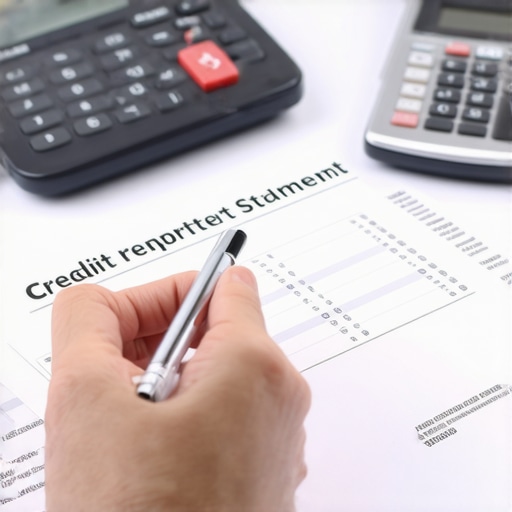 Many people believe that credit counseling is a quick fix or that disputing every minor error will instantly boost their score. In reality, these approaches often hinder your progress more than they help. For example, some think that paying off small collections automatically improves their credit, but without understanding the nuances of how certain debts are reported, those payments might not have the expected impact. Moreover, there’s a misconception that every negative mark is removable through disputes, yet studies like the one from expert community research reveal that some entries are accurate and legally valid, making disputes futile or even damaging if misused.
How can advanced strategies make or break your credit revival efforts?
A common mistake is relying solely on DIY disputes without mastering the legal and procedural nuances. For instance, understanding the specific documentation needed and the best timing can exponentially increase your chances of success. Also, attempting to dispute a legitimate, verified debt repeatedly can flag your account as problematic, leading to potential restrictions or blacklisting by credit bureaus. An often-overlooked aspect is the importance of continually monitoring your credit to catch new errors immediately, preventing them from damaging your score over time. Experts emphasize that proactive, informed dispute tactics backed by credible evidence make the difference between temporary relief and long-term credit health. So, before you jump into disputes or counseling programs, ask yourself: Are you leveraging expert insights and precise strategies, or just following generic advice that might be outdated or ineffective? For comprehensive guidance, explore mastering credit counseling and understand how nuanced techniques can unlock real progress. Remember, a well-informed approach is your best weapon against credit misconceptions. Have you ever fallen into this trap? Let me know in the comments.
Keep the Momentum Going with Proven Tools
The key to long-term success in credit repair is consistency, which hinges on having the right tools at your disposal. I personally swear by a combination of specialized software and methodical processes that help me monitor, dispute, and manage my credit profile effectively. One of my go-to tools is CreditMonitorPro — it offers real-time alerts on any changes to my credit report, allowing me to spot unauthorized activity or errors immediately. I’ve found that immediate detection is critical; a small mistake left unchallenged can snowball into a significant issue over time.
Another indispensable resource I use is dispute management software that streamlines the process of crafting and sending dispute letters. These tools often come with templates that ensure clarity and professionalism, increasing the likelihood of quick resolutions. Personally, I adjust each template based on the specific error and attach corresponding proof documents, as discussed earlier, to strengthen my case.
To keep everything organized, I utilize a dedicated spreadsheet—tracking submission dates, responses, and follow-up actions. This habit prevents me from letting disputes or credit monitoring lapse, ensuring my efforts are sustained over months and years. Over time, this disciplined approach has been instrumental in maintaining and even improving my credit score, especially during challenging periods such as navigating medical bills or job transitions.
Looking Ahead: The Future of Credit Management Tools
As technology advances, I predict that AI-driven credit analysis will become more personalized, providing tailored advice based on your unique credit profile and goals. Platforms might soon incorporate predictive analytics to anticipate negative marks before they appear, giving consumers a proactive edge. Staying ahead means adopting these emerging tools early, which could be a game-changer for sustained credit health.
How do I keep my credit management practices effective over time?
Consistent reviews and updates are vital. I recommend setting monthly reminders to check your credit report and update your dispute records. Regularly educating yourself about evolving regulations—like amendments to the Fair Credit Reporting Act—also ensures your strategies remain compliant and effective. To deepen your understanding, consider exploring comprehensive credit counseling techniques that form the backbone of long-term credit health.
Remember, blending technological tools with disciplined habits underpins sustained credit success. For an advanced tip, I suggest trying automated dispute follow-up systems that send reminders and prepare responses for you. This approach minimizes manual effort while maximizing your dispute success rate. Give it a try and see how automation can streamline your credit repair journey today!

Image prompt: A person using a laptop with credit management software open, displaying graphs and alerts, to symbolize active credit maintenance. Alt text: Person managing credit score with software on a laptop. Title: Effective Tools for Credit Maintenance.
As I reflect on my journey through credit repair, several profound insights stand out—lessons that I wish I had known from the start. First, I learned that haste can be the enemy; rushing disputes without proper documentation often leads to frustration and setbacks. Second, I discovered that patience combined with meticulous record-keeping is crucial—tracking every correspondence and supporting document can make or break your case. Third, I realized that not all negative marks are permanent; understanding your rights and the power of solid evidence can turn seemingly hopeless situations around. Finally, I came to appreciate that continuous education about evolving credit laws and techniques empowers you to adapt and improve your financial health proactively. These lessons didn’t just improve my credit score—they transformed my approach to financial responsibility and self-advocacy.