

Ever glanced at your credit report and noticed new accounts popping up, only to realize they were from buy now, pay later (BNPL) apps? I had that moment of panic when I first dove into my credit report—seeing those unfamiliar accounts that seemed harmless but might be subtly hurting my score. Like many, I underestimated how these modern payment options could influence my credit health.
Why Your Credit Mix Matters More Than You Think
Understanding your credit mix—the variety of credit accounts you hold—is crucial for a healthy credit profile. Lenders see a diverse mix, including credit cards, loans, and installment accounts, as a sign of responsible borrowing. But with the rise of BNPL services, many borrowers unknowingly impact their credit mix, often without realizing it. These plans can be a double-edged sword, providing convenience yet possibly complicating your credit picture.
Did you know? According to a recent study, a well-rounded credit mix can boost your credit score by up to 15 points. Conversely, adding multiple BNPL accounts, especially if they are new and unestablished, may cause your credit score to fluctuate or stall. Early on, I made the mistake of thinking these short-term payment plans were harmless. I didn’t realize they could be a red flag to lenders or impact my creditworthiness.
In this post, I’ll share my journey of understanding how BNPL impacts credit and demonstrate practical steps to manage it wisely. Whether you’re contemplating using these services or already have them cluttering your credit report, the goal is to help you make informed decisions that support your financial goals.
To start, have you noticed any recent credit report surprises from BNPL apps? If so, you’re not alone—and I’m here to help you navigate and optimize your credit profile with confidence.
Identify Errors Quickly and Clearly
Begin by obtaining your free credit reports from each bureau at annualcreditreport.com; review them meticulously for inaccuracies such as incorrect personal details, obsolete accounts, or disputed payments. For instance, I once spotted an old utility bill marked as unpaid, which was wrongly reporting a late payment. Catching this mistake allowed me to begin the dispute process instantly, saving my score from unnecessary damage.
Gather Evidence to Support Your Dispute
Collect documents like bank statements, payment confirmations, or correspondence that prove the information is incorrect. Imagine trying to dispute a reported late payment—your bank statement showing on-time payments can be your strongest proof. Having concrete evidence makes your case compelling and easier to verify for the bureaus.
Dispute Errors Effectively and Swiftly
Use the online portals on each credit bureau’s website for rapid submissions or opt for certified mail to ensure documentation delivery. When I disputed a fraudulent account, I preferred certified mail because it provided proof of delivery and a paper trail for future reference; this tactical approach increased my dispute’s credibility and response speed. Learn more about dispute errors effectively to boost your success chances.
Follow Up and Track Your Dispute
Set reminders to check back after the bureaus’ typical 30-day response window. If no action is taken, escalate by requesting a manual review—manual reviews tend to be more thorough. Remember, persistence pays off, as I experienced when I followed up on a wrongly reported foreclosure; continuous communication led to correction and score improvement.
Leverage Disputing as Part of a Broader Credit Strategy
Disputes are just one step. Once errors are corrected, focus on strengthening your credit profile through responsible credit use, timely payments, and reducing debt. For comprehensive guidance on credit improvement, consider exploring credit repair techniques that complement your dispute efforts, or seek tailored advice through credit counseling.
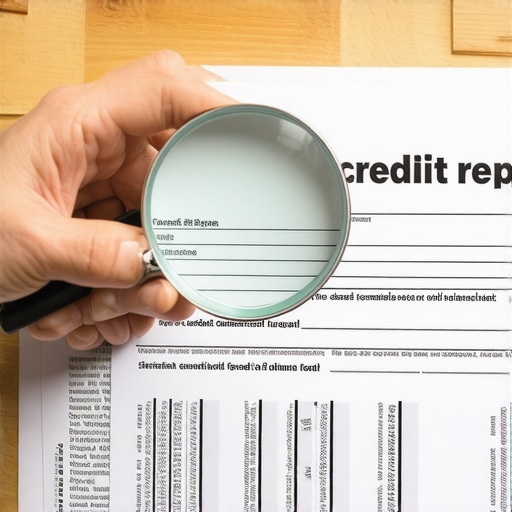 While many believe that disputing errors on your credit report can instantly boost your score, the reality is much more nuanced. A common misconception is that mistakes are the primary barrier to a higher credit score, but in my experience, focusing solely on errors neglects the impact of broader credit management practices. Many assume that simply disputing incorrect entries will rapidly fix their credit profile, yet studies show that the success rate for automatic disputes is often overstated, especially when errors are complex or outdated. For example, trusting automated dispute systems without understanding the underlying process can lead to wasted time or even further inaccuracies if the bureau’s AI misinterprets evidence. To truly elevate your credit, it’s vital to develop a comprehensive repair plan, which includes understanding the real factors influencing your score, like credit mix, utilization, and payment history. Visiting this guide offers proven techniques, but beware of shortcuts that promise quick fixes—they often overlook the complexities involved. Additionally, many get caught in the trap of believing that credit counseling is only necessary during financial crisis, whereas proactive counseling can reveal critical blind spots in your credit profile and help craft sustainable strategies. An expert approach involves not just correcting errors but also understanding how small, responsible behaviors can compound over time to improve your score significantly. Remember, lenders evaluate not only your current score but also your overall credit behavior; thus, neglecting the deeper, strategic aspects can lead to mediocre outcomes. Want to ensure you’re not falling for simplified advice? Check out this comprehensive guide to credit counseling. Do you see common pitfalls, like over-relying on disputes or ignoring responsible credit habits in your progress? Let’s discuss in the comments below, and keep in mind: true credit mastery involves understanding these nuanced details and applying them consistently.Maintaining your improved credit profile over time requires more than just initial dispute efforts; it demands reliable tools, consistent monitoring, and strategic adjustments. One of my go-to tools is a dedicated credit monitoring service like Credit Score Boosters. I chose it because of its real-time alerts and detailed analytics, which help me catch discrepancies before they escalate. Regularly reviewing your credit report is vital; I recommend scheduling quarterly checks using platforms that provide comprehensive data, such as dispute errors like a pro. This proactive approach allows me to identify new inaccuracies or unauthorized accounts swiftly, reducing long-term damage.
The Hardest Lesson I Learned About Dispute Errors, Credit Counseling, Credit Score, and Credit Repair
One of the most profound insights I gained was that not all disputes are created equal. Initially, I thought fixing errors alone would dramatically boost my credit; however, I soon realized that without a comprehensive approach, improvements remain limited. The lesson? Dispute errors serve as just one piece of a larger puzzle involving responsible habits and strategic planning.
How I Discovered the Power of Targeted Credit Counseling
Before diving into credit counseling, I believed it was only for those in financial trouble. But my experience showed me that proactive counseling uncovers hidden blind spots—like misreported accounts or overlooked factors affecting scores. Trusted resources like comprehensive credit counseling guides have been game-changers in my journey to a healthier credit profile.
Why Quick Fix Myths Hinder Real Progress
I used to chase after simple fixes, assuming that disputing every minor error would rapidly elevate my score. The reality? A laser-focus on responsible credit behaviors—timely payments, low utilization, and diverse credit mix—outperforms quick fixes every time. Avoiding shortcuts and investing in understanding the nuances of credit management has been crucial for sustained growth. To deepen your understanding, explore effective credit repair techniques.
Why Manual Review Is My Secret Weapon
Automated systems often fail to capture complex inaccuracies or outdated data. Personally, requesting a manual review proved pivotal in correcting stubborn errors. This meticulous process, combined with proper dispute documentation, can make the difference between a stagnant score and meaningful improvement. Learn how to leverage manual disputes effectively.
Small Actions, Big Rewards: The Power of Consistency
Maintaining an improved credit profile demands ongoing effort—regular monitoring, strategic debt reduction, and responsible usage. Using tools like credit score boosters helps me stay alert to changes, preventing small issues from snowballing. Sustainable habits are the true secret to long-term credit health.