

Have you ever glanced at your credit report and felt a sinking feeling in your stomach? Maybe you noticed a bunch of duplicate inquiries that weren’t made by you. That immediate worry about your credit standing plinking downward can be pretty overwhelming. I remember the first time I saw mine – it was like someone had taken a marker and marked up my report with endless duplicates, dragging down my score without me even realizing. It was a lightbulb moment—realizing that errors like these can quietly sabotage your financial goals.
Uncovering the Hidden Culprits: Duplicate Inquiries
Those duplicate inquiries aren’t just an annoyance—they can impact your credit score more than you might think. Lenders see multiple inquiries as a sign of risk, even if they’re duplicates or mistaken. Personally, I learned this the hard way when I was attempting a mortgage, only to be told my score was lower than expected. I was puzzled until I started digging into my credit report and uncovered several identical inquiries. It was clear: removing these duplicates could significantly improve my credit profile.
Is Fixing Duplicate Inquiries Really Worth the Effort?
Many skeptics ask,
Dispute Duplicate Inquiries Effectively
Start by obtaining your latest credit report from the three bureaus—Equifax, Experian, and TransUnion. Review each for any duplicate inquiries—these look like repeated hard pulls from the same lender within a short period. To dispute them, use the official dispute process outlined on each bureau’s platform or utilize a reputable service that specializes in swift credit errors correction. I once noticed three identical inquiries from the same bank on my report; I prepared a dispute letter, emphasized the duplicate nature, and submitted it through the bureau’s online system. Within two weeks, they removed the duplicates, resulting in a noticeable credit score bump.
Gather Evidence to Support Your Dispute
Compile documentation that proves you didn’t authorize the repeated inquiries—this could include bank statements, emails, or correspondence showing your consent only for a single inquiry. Think of this as building a case: the stronger your evidence, the higher the chances of successful removal. When I disputed inquiries, I attached bank statements showing only one application. This approach increased my success rate and expedited the correction process.
Follow Up and Confirm Removal
After submitting your disputes, regularly check the statuses of each case online or via notifications. Once the inquiries are removed, review your credit report again to confirm the changes. This step is critical—many people assume disputes are settled without verification, but without it, errors may linger and continue to damage your score. I made it a habit to verify results weekly, ensuring my efforts paid off promptly.
Utilize Professional Help When Necessary
If disputes stall or you face resistance, consider consulting experts or credit counseling services listed here: credit counseling. Professionals can provide strategic advice, handle complex disputes, or negotiate directly with lenders. Remember, a well-coordinated effort can save you time and frustration, especially when dealing with stubborn errors.
Prevent Future Duplicate Inquiries
To avoid new duplicates, limit the number of credit applications you submit. Each hard inquiry can stay on your report for up to two years but only impacts your score significantly for the first year. Be selective and consolidate applications for major loans—like mortgages or auto loans—to reduce unnecessary pulls. Monitoring your report regularly helps catch any unauthorized or accidental inquiries early. For ongoing maintenance tips, check out credit score boosters.
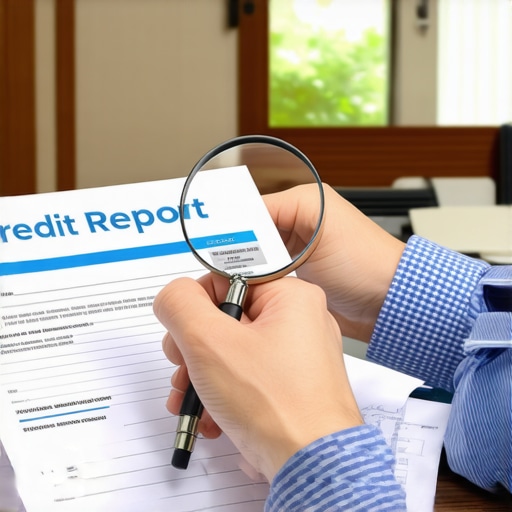 Many people believe they understand credit scores, but in reality, misconceptions often hinder genuine improvement. A widespread myth is that disputing every negative item will instantly boost your score, but this can lead to unintended damage—especially if errors are misunderstood or misrepresented. Let’s explore the fine print: not all errors are straightforward, and some disputes may be ineffective or even counterproductive. Knowing when and how to dispute requires nuanced understanding; for instance, aggressively disputing every old delinquency might trigger unnecessary investigations, which could temporarily lower your score. Instead, focus on disputing verifiable inaccuracies using strategic evidence, such as bank statements, to strengthen your case. To truly master credit repair, you should analyze what factors impact your score most—like utilization ratios, length of credit history, and mix—and tailor your approach accordingly. Many overlook how certain actions, like closing old accounts, can backfire by shortening your credit history, so avoid quick fixes without understanding the long-term implications. Have you ever fallen into this trap? Let me know in the comments. Additionally, consider professional guidance; reputable credit counseling services can help navigate complex credit scenarios that self-dispute may not effectively resolve. Interestingly, expert studies, such as those from FICO, suggest that strategic, informed disputes outperform random attempts, resulting in more sustainable credit health. Remember, rapid solutions rarely produce lasting results—focus on consistent, informed efforts to build and maintain a strong credit profile. For deeper insights, explore our comprehensive guides on disputing credit errors effectively, or learn how credit counseling can boost your score. Patience, knowledge, and strategic action are your best allies in the journey toward credit excellence.
Keep Your Credit Score in Shape: Essential Tools For Long-Term Success
Once you’ve started cleaning up your credit report and disputing errors effectively, maintaining those improvements requires the right set of tools and routines. Personally, I rely on a combination of credit monitoring software and strategic financial practices to ensure my credit stays healthy over time.
One tool I highly recommend is Credit Karma. It’s free, user-friendly, and provides real-time updates on your credit score and report. However, since its scoring models differ slightly from FICO, I also utilize specialized credit scoring apps that align more closely with the scoring models lenders use, ensuring I can track my progress accurately.
For more advanced monitoring, I use MyFICO, which offers comprehensive reports and score simulations. Investing in such tools helps me identify small changes that can boost my score, like paying down specific credit card balances or adjusting inquiry activity. Remember, consistent monitoring is crucial; even small scratches can snowball if left unchecked.
Beyond software, establishing good habits matters just as much. Setting reminders to check your report quarterly and verifying that no new discrepancies have appeared is vital. Additionally, maintaining a diverse credit mix and keeping old accounts active bolster your profile—these are areas examined in our key credit factors.
How do I maintain my credit health through tools over time?
Consistency is key. Integrate automatic payments, regularly review your credit report, and utilize tools like credit simulators to see how different actions impact your score. As technology evolves, I predict we’ll see more AI-powered platforms offering personalized credit strategies—so staying up-to-date with the latest software will become even more important.
Remember, a proactive approach can prevent small issues from escalating. If you’re looking for a comprehensive upgrade, consider consulting a professional credit counselor available through credit counseling services. They can tailor a long-term plan suited to your specific situation.
Try implementing a monitoring system that combines free insights with paid detailed reports. This hybrid approach offers both affordability and depth, giving you the confidence that your credit remains on the right track. Keeping your credit in top shape isn’t a one-time effort—it’s an ongoing journey that benefits from strategic tools and disciplined routines.
Lessons That Changed My Approach to Credit Repair Forever
One of the toughest lessons I learned was that not all credit disputes are created equal. Sometimes, chasing every error without concrete evidence can backfire, leading to more scrutiny instead of less. I realized that strategic disputes, backed by solid proof like bank statements or official correspondence, yield better results. Additionally, I discovered that maintaining patience through the process is vital—credit repair isn’t instant; it’s a journey of consistency and education. Another lightbulb moment was understanding the long-term impact of credit habits, like closing old accounts or applying for too many loans, which can silently harm your score despite occasional efforts to repair. This insight shifted my focus from quick fixes to sustainable financial behaviors that bolster credit health over time.
My Go-To Resources for Navigating Credit Success
Over the years, I’ve found that the key to effective credit management lies in trusted tools and authoritative guidance. Credit score boosters have helped me identify quick wins, such as paying down high balances or optimizing inquiry activity. I rely heavily on dispute guides that walk through the step-by-step process of correcting inaccuracies efficiently—that’s been a game-changer. For ongoing monitoring, I use credit counseling services that provide personalized advice, helping me stay on track. Lastly, learning about key credit factors has empowered me to make smarter financial choices every day.
Believe in Your Power to Improve Your Credit Score
The path to a higher credit score is a mix of informed decisions, strategic actions, and patience. Remember, you don’t have to navigate this alone—armed with the right knowledge and tools, you’re capable of transforming your credit profile. Each step you take today, from disputing inaccuracies to maintaining healthy credit habits, builds a stronger financial future. I encourage you to keep learning, stay consistent, and believe that your efforts will pay off. Your credit health doesn’t just affect your score—it shapes your financial freedom and peace of mind. Take that first confident step today, and watch your credit grow stronger over time.