

I remember sitting at my kitchen table, staring at my credit report with rising anxiety. Despite diligently paying my student loans on deferment, I couldn’t understand why my mortgage application kept getting delayed. That lightbulb moment hit me hard—little did I know, that deferment was quietly undermining my chances of homeownership. If you’ve been in a similar spot, wondering why your credit isn’t improving despite making payments, you’re not alone. Today, we’ll uncover the hidden impact of student loan deferment on your mortgage odds and how to navigate this tricky terrain.
Why Deferment Might Be Holding You Back More Than You Think
Many people believe that placing student loans on deferment simply pauses the debt, offering temporary relief. But what if that pause is simultaneously working against you? The truth is, your credit profile is a complex web of factors, and deferment can sometimes lead to hidden pitfalls that hinder your ability to secure a mortgage. For instance, credit scoring models often interpret deferred student loans as less favorable, especially if they are in default or not reported as current. Even if you’re making payments, if those payments aren’t reflected correctly, lenders might see your profile as riskier than it actually is. Research indicates that certain types of student loan statuses can affect your credit score negatively, impacting your mortgage eligibility (source: [The Science of Credit Repair](https://creditrenewals.com/the-science-of-credit-repair-expert-advice-to-elevate-your-score)).
Is Student Loan Deferment Actually Worth the Hype?
I got caught in a common mistake early on—believing that deferment solved my debt issues without understanding its ripple effects on my credit. For a while, I thought keeping my loans on deferment was the safest move, but it turned out to be a dead end for my mortgage dreams. This experience taught me that being proactive and understanding the nuances could save you a lot of trouble. If you’re wondering whether deferment is worth the potential hit to your credit, the answer depends on your specific situation. But more importantly, there’s a way to manage your student loans and credit profile that aligns with your homeownership goals. Want to learn how to turn this situation around? Keep reading, because the steps ahead could be your game-changer.
Dispute Errors Systematically
Start by obtaining your free credit reports from AnnualCreditReport.com and scrutinize every detail meticulously. I once found a defaulted student loan listed as current due to a reporting error. To correct such mistakes, use a structured dispute process by submitting a detailed letter alongside your evidence through the official dispute portals. For guidance, review the comprehensive strategies in this guide. Be clear, concise, and assertive—highlight specific inaccuracies, request their removal, and track all correspondence.
Leverage Pro Tips to Boost Your Disputes
If your initial dispute is rejected, don’t give up. Sometimes, the bureaus stall or reject based on incomplete information. Follow up with certified mail, demand a manual review, and upon refusal, escalate by filing a complaint with the Consumer Financial Protection Bureau. Remember, each successful correction can shake up your score positively. I once managed to erase a late payment note after multiple disputes, which instantly added points to my score.
Optimize Your Credit Profile Strategically
Prioritize paying down revolving accounts to under 30% utilization, as high balances suppress your score. If you have multiple credit cards, consider consolidating or requesting a credit limit increase—without triggering a hard inquiry—using techniques discussed in this resource. To build a solid history, keep older accounts active, especially those with positive histories. I learned that closing an ancient card prematurely diminishes my average account age, hurting my score.
Manage Student Loan Deferment Wisely
Since deferment can artificially lower your score, explore options like Income-Based Repayment or Rehabilitation Programs that report payments positively. If you must stay in deferment, ensure your lender reports your account as current—a detail critical for lenders evaluating your creditworthiness. Regularly review your loan status through your account portals to confirm correct reporting. This proactive approach helped me maintain a favorable profile while working towards homeownership.
Implement Rapid Score Improvements
Focus on high-impact actions like paying down debts, correcting errors promptly, and requesting goodwill adjustments for late payments. Quicken your progress by utilizing these proven strategies that have helped many fast-track their score enhancements. Remember, small, consistent actions snowball into significant credit improvements over time, especially when combined with dispute successes and profile optimization.
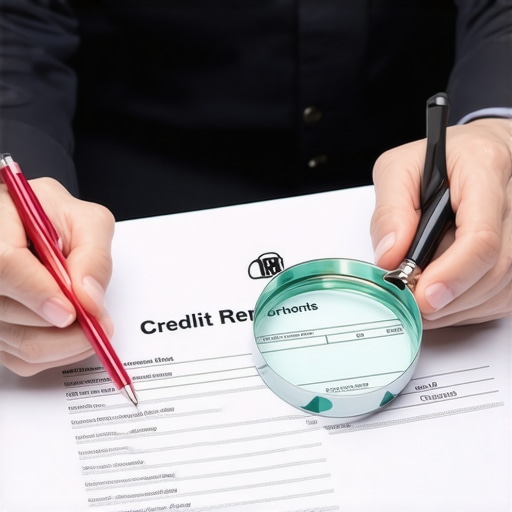 While many believe that simply disputing errors on your credit report is enough to boost your score, the truth is far more nuanced. A common misconception is that all errors are created equal and can be swiftly corrected, but in reality, some mistakes are intentionally or unintentionally obscured by sophisticated tactics used by credit bureaus. Advanced disputes often require a strategic approach, leveraging thorough documentation and understanding the intricacies of credit reporting systems. For example, simply sending a generic dispute letter rarely yields results; instead, utilizing comprehensive guides such as this method can significantly improve your chances of success. Moreover, many overlook the importance of challenging outdated or inaccurate public records, which can severely impact your score if left uncorrected. Credit repair involves more than just erasing mistakes—it requires a deep understanding of the interplay between various credit factors and the legal rights consumers possess.
What is the best way to differentiate between legitimate errors and credit report noise that won’t affect your score?
Studies indicate that targeted disputes, supported by evidence and a clear understanding of reporting rules, outperform broad, unfocused efforts (source: The Science of Credit Repair). This means diving into specific accounts, verifying their accuracy, and escalating disputes when bureaus stall or reject your claims. Beware of the trap where individuals mistake reporting delays or mismatched data for errors—these nuances often require expert guidance. Real progress stems from a proactive, informed approach that goes beyond the surface to address the root causes of credit report inaccuracies. If you’re serious about improving your score, consider tools and strategies outlined in this resource, which advocates a methodical, educated methodology that saves time and increases success rates. Remember, your credit profile is a reflection of many details, and mastering the art of dispute is essential for unlocking your financial potential.Maintaining a healthy credit profile over time requires the right combination of tools and disciplined strategies. I personally rely on several specialized software and methods that have proven effective in my journey to better credit management. First, I use **Credit Karma** for regular monitoring because it provides free, real-time updates on your credit scores and reports from TransUnion and Equifax. This allows me to catch errors early and spot suspicious activity. However, for dispute purposes, I prefer **Smart Credit** because it offers detailed insights into each account, highlighting which items to prioritize, and automates parts of the dispute process, making long-term maintenance more manageable. I find its audit trail especially useful when contesting inaccuracies, as documented in the comprehensive guide available at this resource. Additionally, I integrate **Experian Boost** to include timely utility and phone payments, which can uplift my score without waiting months for traditional credit activity. As credit scoring models evolve, leveraging these tools allows me to stay ahead and ensures my profile reflects my true creditworthiness. Looking forward, I predict that AI-driven credit management platforms will become more sophisticated, offering personalized suggestions and automatic dispute submissions as standard features, making credit management even more seamless.
How do I keep my credit profile optimized over years of changing financial circumstances?
The key is consistent monitoring, timely dispute of inaccuracies, strategic use of credit-building tools like Experian Boost, and maintaining low utilization ratios. Implementing these habits, supported by software like these top strategies for 2025, positions you to sustain or even improve your score over time. Don’t wait—try automation with tools like Smart Credit today, and experience how tech-savvy approaches can transform your credit health.
The Hardest Lesson I Learned About credit counseling,dispute errors,credit repair,credit score
One of the toughest realizations was understanding that not all errors are straightforward to correct—some require meticulous documentation and strategic persistence. I once believed that disputing every mistake would instantly improve my score, but I learned that targeted, evidence-backed disputes are far more effective, saving me time and frustration. Additionally, I discovered that maintaining open communication with credit bureaus and leveraging dispute laws can be game changers in cleaning up my report efficiently.
3 Myths About credit counseling,dispute errors,credit repair,credit score That Held Me Back
Believing that all credit counseling programs are scams, thinking that paying off debt instantly boosts score, and assuming that old negative marks will naturally fall off—these myths kept me from making strategic moves. Debunking these misconceptions helped me focus on actionable steps like prioritizing disputes, using reputable tools, and understanding the real timelines involved in credit restoration. Recognizing these myths early on saved me wasted effort and opened the door to genuine progress.
What Experts Won’t Tell You About credit counseling,dispute errors,credit repair,credit score
Many professionals skip over the importance of a personalized approach. For instance, I learned that sometimes, leveraging less obvious strategies like goodwill adjustments or re-aging accounts can produce remarkable score improvements. Experts also emphasize the significance of combining credit repair with overall financial management—such as reducing utilization and building positive history—which many overlook. This holistic perspective was crucial in transforming my credit profile from fragile to robust.
My Essential Toolkit for credit counseling,dispute errors,credit repair,credit score
I rely on specific tools that have made my credit journey smoother. Sites like these top credit score boosters for 2025 help me stay ahead. Additionally, software like dispute automation platforms streamline my correction process. Regular monitoring with free services gives me early insights, allowing proactive adjustments. These tools collectively save time and make the invisible work of credit repair more manageable.
Where to Go from Here
The most empowering decision you can make today is to take control of your credit narrative. Use reputable guides on effective credit repair strategies and commit to consistent monitoring. Remember, every small step—disputing an error, paying down a debt, maintaining longevity—compounds into significant improvement over time. Your financial future depends on the actions you choose now. Start today, and watch how your credit transforms from a barrier into a bridge for opportunity.