

Have you ever looked at your credit score and felt a mix of hope and confusion? That lightbulb moment hit me hard when I realized my scores fluctuated inexplicably, even after paying down debts and disputing errors. It was like trying to hit a moving target. I knew I had to understand what really affects my credit—and that led me down a rabbit hole of credit scoring models.
The Real Difference Between FICO 8 and FICO 10T: Why It Matters to You
In my early days, I made the mistake of believing that all credit scores are the same. I thought paying off my credit card in full and fixing errors would instantly boost my score—only to find it sometimes dipped or stuck. That was my wake-up call. The truth is, different scoring models weigh your financial behaviors differently. Knowing which one lenders use can mean the difference between getting approved for your dream home or facing another rejection.
Many folks, like I once did, overlook these nuances, assuming their score somehow reflects their true financial health. But in reality, scores like FICO 8 and FICO 10T prioritize different data points and employ diverse algorithms. This means your score today might not be the same tomorrow, depending on which model the lender checks.
Understanding how these models work can be your secret weapon. For instance, FICO 10T considers more recent data with a heavier weight on your recent credit activity, while FICO 8 has a more static approach. This shift can dramatically impact your credit decisions and strategies.
If you’re curious whether this is impacting your next loan application, you’re not alone. I’ve seen many clients surprised when their credit scores differ between platforms and lenders, affecting their chances and interest rates. And that discrepancy often isn’t due to errors but specific scoring model differences.
In the next sections, I’ll share practical tips on how to navigate these models and optimize your credit profile for both today and tomorrow. But first, have you ever faced a situation where your credit score didn’t reflect your financial reality? If so, drop a comment—I’d love to hear your story and help you decode what’s really happening behind the scenes.
Identify and Pinpoint Errors on Your Reports
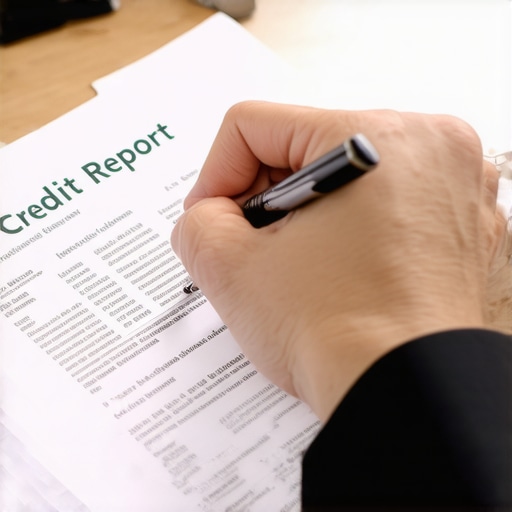
The first actionable step I took was reviewing my credit reports meticulously. I requested my free reports from the three bureaus and looked for discrepancies. Think of your credit report as a map; any wrong turn, like an erroneous collection, can lead you astray. When I found inaccuracies, I used detailed documentation and submitted disputes online, referencing specific errors to expedite the process. The key is providing concrete evidence—screenshots, statements, or letters—that substantiate your claim.
Dispute Errors with Precision
Once errors are identified, it’s crucial to dispute them correctly. I followed a targeted approach by crafting a clear dispute letter, referencing the exact account details, and attaching supporting documents. This became a game-changer when I used the step-by-step guide outlined in this resource. Using certified mail or online portals can speed up the process, but ensure you keep copies of all correspondence as proof.
Negotiate and Settle Debts Strategically
Next, I examined my outstanding debts for opportunities to negotiate. If a collection account is recent or has a high balance, I reached out to the collector directly, employing scripts from this guide. The goal was to get the collection deleted upon settlement, significantly boosting my score. Remember, it’s essential to get the agreement in writing before making any payments. Settling old debts wisely can improve your credit mix and reduce your utilization rate.
Reduce Utilization Immediately
One tactical move I used involved paying down credit card balances to below 30% utilization, which has a direct positive impact. I prioritized paying off cards with high balances or those reporting first, especially before the statement closing date. This is because your credit utilization ratio is a major factor in your score, as detailed in this article. Keeping balances low shows lenders responsible credit management, often resulting in an instant score bump.
Increase Your Credit Limits Responsibly
Requesting higher credit limits can also improve your utilization ratio, provided you don’t increase your spending. I called my credit card issuer to request a limit increase, citing responsible payment history. When approved, I maintained my usual spending levels, which meant a better ratio without additional credit inquiries. Be aware, though, that some lenders may perform a hard inquiry, which can temporarily dip your score. Always check your account terms before requesting an increase.
Build Positive Habits and Maintain Consistency
Finally, the most significant progress came from sustained responsible behavior. I set reminders to pay bills on time and avoided taking on new debts unnecessarily. Over time, this positive activity was reflected in my credit files, especially on models like FICO 10T that weigh recent activity more heavily. Regularly monitoring your report with tools from this platform helps track improvements and catch new errors early.
Many believe that credit counseling and repair are straightforward paths to a better score, but in my experience, most people miss critical nuances that can make or break their progress. One common myth is that disputing every negative item will automatically boost your score. Reality check: not all errors are created equal, and indiscriminate disputes can backfire, especially if you lack solid evidence. Experts like those at this resource emphasize the importance of strategic, well-documented disputes rather than mass challenges.
A significant oversight is the assumption that credit counseling always harms your credit profile. In fact, reputable agencies can help you build responsible habits and negotiate better repayment plans, but beware of scams and low-quality services that promise quick fixes. The insights here reveal how to differentiate trustworthy programs from deceptive ones.
A nuanced detail that often trips up even seasoned borrowers: the importance of understanding your credit report’s technical codes and data points. Many focus solely on the numeric score but ignore the underlying elements that influence future scoring. For example, recent studies indicate that the age of credit accounts and the diversity of credit types can have disproportionate impacts, especially under advanced models like FICO 10T, which weighs recent activity more heavily. To master these subtleties, review this comprehensive guide.
What Advanced Issues Might Be Hiding Behind Your Score Fluctuations?
Let’s dig even deeper into the complexities. Often, fluctuations aren’t just about late payments or new inquiries but may involve subtle errors in data reporting or outdated information lingering on your report. Additionally, recent FICO algorithm updates incorporate non-traditional data sources, like utility and telecom payments, which can distort impressions of risk if misreported. Staying ahead requires not only regular monitoring but also understanding how these advanced data points influence your score. For a detailed exploration, this article is a must-read.
Have you ever fallen into this trap? Let me know in the comments, and share what nuances or myths you’ve uncovered in your credit journey. By spotting these hidden factors, you can strategize more effectively and avoid costly mistakes that many borrowers unknowingly make.Once you’ve worked diligently to repair and optimize your credit, the next step is ensuring those improvements stick over time. Staying on top of your credit profile requires reliable tools and consistent habits. I personally rely on a combination of advanced credit monitoring software, dedicated dispute platforms, and a meticulous record-keeping system. These tools help me catch errors early, monitor your progress, and maintain a healthy credit profile.
One tool I highly recommend is **Credit Karma’s** monitoring service, not because of its flashy interface but due to its real-time alerts on any changes to your credit report. I use it to keep a finger on the pulse of my credit, especially when planning major applications. However, for disputes on persistent errors, I prefer **SmartCredit**, which offers detailed dispute management features, guided templates, and progress tracking—saving me hours of manual labor. Regularly using these platforms helps me spot discrepancies before they escalate, ensuring my credit remains in top shape.
For managing documentation, I maintain a digital archive of all correspondence, statements, and dispute evidence using **Evernote**. This organized system simplifies tracking responses, supporting evidence, and settlement agreements. When I need to dispute an error or reactivate a dormant account, revisiting these records ensures I approach each issue with precision, which is crucial given that some models, like FICO 10T, consider recent behaviors most heavily.
Looking ahead, the trend in credit monitoring is moving toward AI-powered analytics that predict credit behavior and automate dispute suggestions. While these innovations are still emerging, subscribing to services that incorporate machine learning could give you an edge in maintaining your credit health.
How do I keep my credit profile healthy long-term? Regular reviews are essential. Schedule monthly check-ins using your chosen tools, update your record-keeping, and stay informed about changes in credit scoring models. Consistency in using these tools not only prevents errors but also builds a resilient credit profile that withstands unexpected fluctuations.
Remember, proactive management is key. If you haven’t adopted a formal monitoring routine yet, try integrating a service like Credit Karma alongside your dispute platform of choice. This dual approach ensures you’re not only aware of your current status but also equipped to quickly address any issues that could jeopardize your hard-earned credit score. For deeper insights, I recommend exploring this resource to master dispute techniques effectively.
3 Unexpected Lessons That Changed My Credit Strategy Forever
One of the most eye-opening lessons I learned was that not all credit scores react the same way to traditional tactics. For instance, paying down debt might boost my FICO 8 score but had less impact on FICO 10T, which weighs recent activity more heavily. Recognizing this distinction saved me from wasting time on strategies that wouldn’t yield results and emphasized the importance of knowing which scoring model lenders use.
Another insight was realizing that errors on my credit report weren’t always obvious mistakes—sometimes outdated data or misreporting in complex account details could silently drag down my score. Disputing everything blindly was a mistake; instead, focusing on high-impact errors and supporting my claims with evidence proved far more effective, as I discovered through targeted dispute guides.
Lastly, I uncovered that strategic negotiations with creditors and collections agencies could be game-changers. Asking for pay-for-delete agreements and getting agreements in writing often led to deletions that significantly boosted my score. This approach requires patience and preparation but can unlock substantial improvements when used wisely.
My Go-To Resources for Navigating Credit Challenges
- SmartCredit: I trust this platform for detailed dispute management and tracking progress, which saves me hours and keeps me organized. Its guided templates make complex disputes manageable.
- Credit Karma: Reliable for real-time alerts and monitoring. Staying updated on report changes allows me to react swiftly to any suspicious activity or errors.
- The Ultimate Blueprint for Effective Credit Repair: This comprehensive guide broke down my misconception that all errors are worth disputing and helped me prioritize my efforts effectively. It’s a game-changer for anyone serious about credit repair.
- Contact Us page at Credit Renewals: Whenever I feel stuck or need professional advice, reaching out through their contact page has always provided clarity and support tailored to my needs.
Believe in Your Power to Transform Your Credit
Remember, your credit journey is uniquely yours, and every step you take towards understanding and managing your credit can lead to greater financial freedom. With patience, consistent effort, and the right tools, you can turn challenging credit situations into powerful opportunities for growth. Don’t hesitate to challenge your assumptions, seek expert guidance when needed, and stay proactive in your credit health. Your future self will thank you for taking action today.
What’s the one credit myth you’ve recently debunked? Share your story in the comments below—I’d love to hear how exposing myths has helped you on your path to better credit.