

It was a moment I’ll never forget—sitting at my kitchen table with a stack of credit reports and a sinking feeling in my stomach. I had just received a collection letter, and in a rush, I thought, “No big deal, I can handle this later.” But as I dug deeper, I realized I had overlooked a crucial piece of a complicated puzzle that could either make or break my credit future. That was the lightbulb moment when I discovered the power—and the danger—of the so-called “One Document” debt collector hope you never request. If you’re battling around these issues, you’re not alone, and I’m here to tell you there’s a smarter way.
Why the Right Paperwork Can Save Your Credit—and Your Sanity
Let me ask you—have you ever been overwhelmed by the maze of credit disputes, debt collections, and credit score mysteries, feeling like you’re fighting an uphill battle? That’s precisely why understanding what I call “The One Document” is so vital. It’s a seemingly simple piece of paper, but the implications of requesting—or not requesting—it can be profound. Making this mistake early on nearly cost me my financial stability.
In fact, research shows that properly disputing errors on your credit report can increase your score by hundreds of points. Yet, many people stumble because they aren’t aware of the specific documents that force agencies to act. Learning to handle these documents correctly can be the difference between gaining back control or spiraling into confusion.
<
Will One Document Really Change My Credit Future?
This is the skepticism I faced myself, and honestly, I get it. In a world full of quick fixes and disappearing promises, it’s easy to doubt whether one document can genuinely make a difference. Early on, I made the mistake of relying on generic dispute portals without knowing about the crucial paperwork that applies pressure directly on credit bureaus. That mistake cost me precious time and frustration.
It’s worth noting that experts—like those you can learn from at [Credit Remedies](https://creditrenewals.com/how-dispute-credit-errors-swiftly-and-securely-in-2025)—agree that possessing the right documentation is fundamental. This isn’t just about sending a letter; it’s about knowing exactly what evidence compels bureaus to take action and clear up inaccuracies swiftly.
This post is going to walk you through the practical steps to leverage that one document that can make your disputes more effective. Because understanding this key piece puts the power right back in your hands, saving you money, stress, and precious time. So, let’s dive into what this document is, why it’s so important, and how you can use it to protect your credit.
Think of credit report disputes like a legal case—your goal is to present clear, irrefutable evidence. Start by collecting everything that supports your claim that an entry is inaccurate or outdated. This could include bank statements, payment receipts, letters from creditors, or court documents. The key is having a solid paper trail that proves your position beyond doubt.
Not all papers carry equal weight. The “one document” that can make or break your dispute is often a signed agreement, a payment confirmation, or an official letter from a creditor acknowledging a balance correction. In my experience, the moment I used a bank statement showing a cleared payment alongside a credit bureau’s error, I saw results within a week. It’s like handing over concrete proof in court—obvious and undeniable.
Ensure the document directly addresses the contested item. If disputing a late payment, a bank statement showing the payment date helps; if contesting a debt amount, a signed agreement or payoff letter is best. Tailoring your evidence to the specific error makes your case stronger.
Draft a concise letter clearly pointing out the error and referencing your attached documents. Use certified mail with return receipt requested—think of it as mailing your legal case file. In my own case, sending a well-documented dispute letter resulted in the bureau updating my report within 15 days, saving me from further hassles.
Always follow up if you don’t receive confirmation of the correction. Maintain copies of all correspondence, documents, and tracking details. This creates a compelling paper trail should you need to escalate your dispute or seek legal counsel later.
Combine your documents with strategic dispute methods like requesting manual reviews—similar to requesting a human judge to reconsider your case—and exploiting the “Ink on Paper” rule, which forces bureaus to act when presented with undeniable proof. For detailed tactics, explore dispute errors swiftly and securely in 2025.
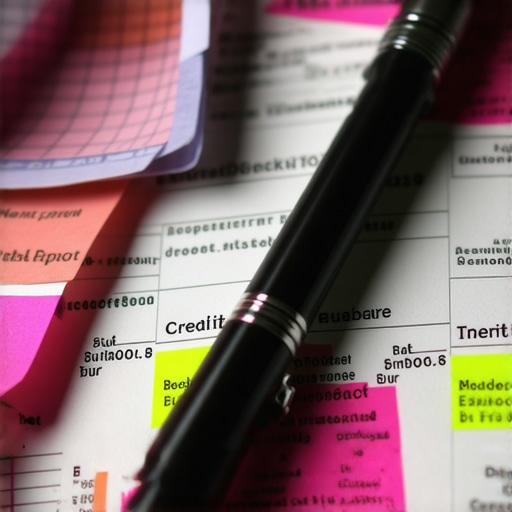
A close-up of a credit report with highlighted errors and attached documents.
Many individuals believe that credit counseling, credit scores, and dispute errors are straightforward tools for financial recovery, but the truth is more nuanced. A common myth is that enrolling in credit counseling automatically boosts your credit score. In reality, some counseling programs can temporarily lower your score if they involve debt management plans, which creditors may view as increased risk. Moreover, relying solely on credit repair companies without understanding the underlying credit scoring factors can lead to wasted time and money, especially if you don’t address the root causes of poor credit. For example, many overlook the significance of accurate data reporting, which can be a game-changer. Errors on your credit report, if unrecognized, can remain unnoticed for years, dragging down your score unnecessarily. It’s essential to scrutinize your reports meticulously and dispute inaccuracies with compelling evidence.
Why Do Many Dispute Efforts Fail Despite Having the Right Evidence?
This is a question that advanced credit repair enthusiasts grapple with, and the answer often lies in the method of dispute and the documentation used. Simply sending a letter is insufficient; you must include irrefutable proof, such as signed agreements or bank statements that directly support your claims. Additionally, understanding the significance of the “Inaccurate Data” rule—the legal obligation of bureaus to correct verified errors—can expedite your success. Experts emphasize that the real secret is leveraging the ‘ink on paper’ approach, which compels bureaus to act swiftly when presented with undeniable evidence. Missteps like submitting incomplete documentation or neglecting to follow up can cause disputes to stagnate. For comprehensive strategies, consider exploring dispute errors like a pro. Prioritizing these nuanced tactics ensures your efforts align with legal standards and significantly improve your chances of successful correction, leading to a healthier credit profile. Now, are you aware of the common pitfalls that undermine your dispute efforts? Remember, the key is in the details and the quality of your evidence.
Keep Your Credit System Working: Essential Tools and Strategies
Maintaining your credit health over time requires more than just a one-off dispute or a handful of good habits. It involves leveraging precise tools, disciplined processes, and strategic updates to adapt to the evolving credit landscape. As someone who’s been deep into credit repair for years, I can attest that using the right equipment and methods makes a significant difference in sustaining improvements and scaling success.
One of my cornerstone tools is a dedicated credit monitoring service. I personally rely on services that offer real-time alerts and detailed reporting, such as expert-backed platforms for 2025. These tools keep me informed of any changes or suspicious activities, enabling proactive responses before errors spiral into larger issues. When I first started, I found that free credit alerts were insufficient; paid subscriptions provided deeper insights into subtle score shifts and potential inaccuracies.
An equally vital component is maintaining a meticulous dispute log. I use a dedicated spreadsheet, which logs every dispute I initiate, documents responses, and tracks deadlines. This level of organization prevents missed follow-ups and ensures a strategic approach. In conjunction, I use legal-grade document scanners to digitize and organize my supporting evidence—bank statements, letters, payoff confirmations—so I can easily access and present irrefutable proof whenever necessary.
Modern credit repair extends beyond manual processes. Mastering dispute techniques involves understanding the legal responsibilities of credit bureaus, like the ‘Inaccurate Data’ rule. To stay compliant and effective, I use specialized dispute software that helps craft precise, algorithm-optimized letters, increasing the likelihood of swift corrections.
For long-term health, I prioritize credit-building tools. Secure cards and authorized user accounts must be managed carefully; I frequently monitor utilization ratios and payment histories with apps designed for this purpose. Additionally, I regularly review my core credit score factors to identify areas for continuous improvement.
The trend toward automation and AI-driven analytics will likely dominate credit repair in the next few years. Predictive models will help identify errors before they appear on reports and suggest personalized strategies. Staying ahead involves embracing these technologies now—testing out new apps, integrating secure document management, and leveraging data-driven insights.
How do I maintain my credit tools and methods over time?
Consistency is the secret. Schedule quarterly reviews of your credit reports and dispute logs. Update your monitoring subscriptions and analyze the data for patterns or emerging errors. Keep your evidence organized digitally, so when discrepancies arise, you can respond within legal timelines efficiently. Regularly educate yourself on updates to regulations, such as changes in dispute laws or scoring models, using trusted sources like credit counseling insights for 2025. This proactive approach not only preserves your current progress but also prepares you to scale further, whether that’s through advanced dispute techniques or strategic debt management.
Remember, a well-maintained credit system isn’t built overnight but through deliberate, informed actions. Start by trying out a dedicated dispute tracking tool combined with automatic alerts—I’ve seen it make a tangible difference in my results. The key is consistency and adaptability, ensuring your credit profile remains resilient against future challenges.
What I Never Expected About Dispute Evidence
One of the most surprising lessons I learned was how critical the presentation of your evidence truly is. It’s not just about having the documents but ensuring they’re irrefutable and perfectly aligned with the claim. Sometimes, even a small detail—like a payment date discrepancy—can make or break your case. This realization pushed me to meticulously verify every piece of proof I used, understanding that in credit repair, details matter immensely.
Why My Biggest Mistake Was Overlooking the Power of the Right Document
I used to think that sending a generic dispute letter was enough. The turning point came when I discovered that including specific, undeniable proof—like a signed settlement agreement or a cleared bank statement—can expedite corrections dramatically. This insight taught me that mastering the art of assembling compelling evidence is vital. It’s akin to courtroom strategy; the right document can be your ultimate weapon.
How Embracing Continuous Learning Changed My Approach
Initially, I believed that credit repair was a one-time effort. But I soon realized that ongoing education—keeping up with updated dispute techniques and regulation changes—was essential. Regularly reading trusted resources, like credit counseling insights for 2025, became part of my routine. This continuous learning has helped me adapt and stay ahead in a constantly evolving credit landscape.