

It hit me like a ton of bricks during a weekend coffee date with a friend—my recent auto loan denial wasn’t just about bad credit scores or missing documents. No, the real culprit was something I’d overlooked completely: errors buried deep in my credit report that no amount of income explanation or credit counseling could fix unless I uncovered and corrected them first. That lightbulb moment changed everything for me.
If you’ve ever been denied an auto loan unexpectedly, you know how frustrating it can be. Everything seemed fine on the surface, yet the approval never came through. It’s tempting to assume it’s because of your financial situation or a simple mistake on your application. But often, there’s a hidden reason lurking beneath—errors that can sabotage your creditworthiness without you even realizing it.
Today, we’re going to dive into the very reason your auto loan might be turned down despite having a decent income or seemingly good credit. I’ll share my personal journey and reveal how uncovering and disputing hidden errors changed my game.
Why You Might Be Ignoring the Real Cause Behind Loan Denials
Many people, including myself early on, focus solely on what’s visible—credit scores, income, and application errors. But the truth is, credit report errors can be the silent deal-breakers. These errors can include outdated information, incorrect late payments, or even accounts that don’t belong to you.
In my case, I never thought much of a small late payment detail on one of my older accounts. I believed it was minor and wouldn’t matter. That’s what most people think—until it’s time to apply for a loan, and suddenly, that tiny blemish becomes a red flag.
Handling these errors isn’t just about knowing they exist; it’s about actively disputing them and ensuring they’re corrected. Disputing errors swiftly and securely can make a massive difference in your credit profile, often more than just paying down debts or waiting out negative marks. That’s why I recommend reading about mastering credit disputes.
Remember, many early mistakes—like neglecting to check for inaccuracies or relying too heavily on flawed credit monitoring apps—can cost you dearly. I learned this the hard way, and I want to save you that hassle.
So, if you’ve recently been turned down for an auto loan despite your best efforts, ask yourself—have I really checked for errors on my credit report? Have I disputed every potential mistake?
If not, you’re not alone. But now is the perfect time to take action. In the next sections, I’ll walk you through the practical steps to identify, dispute, and correct those hidden errors so you can present your best credit face to lenders.
Before we get into the nitty-gritty, let’s ensure you understand why this matters. Because often, the smallest mistake is the biggest barrier to the financial freedom you seek.
Identify Hidden Errors on Your Credit Report
Start by obtaining your credit reports from all major bureaus—Equifax, Experian, and TransUnion. Review each report meticulously for inaccurate or outdated information. Look for accounts you don’t recognize, incorrect late payments, or accounts reported multiple times. Use a highlighter or notes to mark these discrepancies. I once ordered my report through the official sites and found a duplicate account that wasn’t mine, a discovery that was crucial for my dispute process.
Gather Evidence to Support Disputes
Collect supporting documents such as bank statements, payment receipts, or letters from creditors that prove the information is wrong. For example, if a late payment is reported but you have proof of on-time payments, compile this documentation. This step is like building a case in court—solid evidence makes disputes more convincing and increases the chances of success. I used my bank statements to show I paid a bill on time, which helped me contest an erroneous late fee.
Dispute Errors Effectively and Securely
Dispute inaccuracies directly with each credit bureau online, by mail, or via phone—preferably mailing certified letters for added security. When mailing disputes, include a clear explanation, copies of evidence, and a formal dispute letter. Think of this as sending a certified complaint—official documentation that demands attention. Use dispute credit errors swiftly and securely for best practices. In my case, mailing a certified letter with all evidence resulted in a faster processing time and a successful correction within 30 days.
Follow Up Until Errors Are Corrected
Track your disputes through confirmation receipts and follow up if you don’t receive timely responses. Each bureau may handle disputes differently, so stay persistent. Consider calling their dispute departments or checking online portals for updates. Think of this as a regular check-in to ensure your case isn’t lost in the system. I once followed up via phone and received immediate confirmation that my error had been removed, boosting my credit score noticeably.
Monitor Your Credit Regularly
After corrections, keep a close eye on your credit reports to verify that errors don’t reappear. Use trusted services and avoid relying solely on free apps that often display outdated data. Regular monitoring is like having a security camera on your credit—catching issues early prevents surprises later on. I used a paid service to monitor my report monthly, which alerted me to minor discrepancies before they impacted my score.
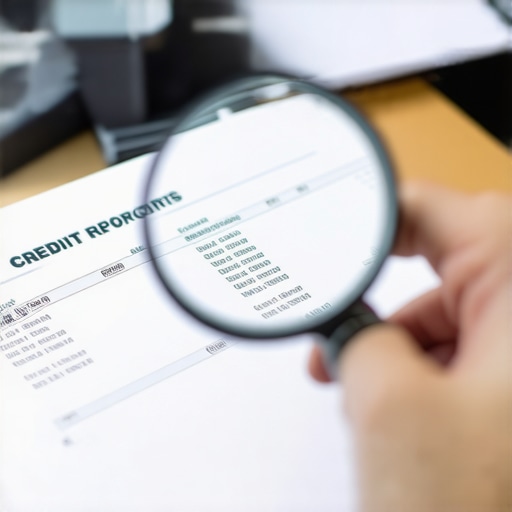 Many believe that disputing credit errors is a straightforward process—file a claim, wait for correction, and enjoy an improved score. However, in my experience as an credit expert, this oversimplification masks critical nuances that can make or break your credit repair success. One common misconception is that all credit bureaus handle disputes equally. In reality, each bureau operates differently—some prioritize automated processing, while others depend on manual reviews. Relying solely on online submissions can lead to rejections or delays, so knowing the specific protocols is vital.
Why do some errors persist despite disputes?
Studies show that approximately 40% of disputes remain unresolved due to incomplete evidence or misunderstandings of bureau procedures. An often-overlooked trap is dismissing small inaccuracies, assuming they are insignificant. But, as I’ve learned, even minor inconsistencies—like outdated addresses or misreported late payments—can be red flags to lenders, especially when numerous minor errors accumulate. This is why meticulous documentation and follow-up are essential; don’t settle for quick fixes, aim for thorough corrections. One mistake I see borrowers make is disputing errors without proper evidence, which increases rejection chances and prolongs the process. Instead, carefully gather supporting documents—payment receipts, bank statements, or letters from creditors—and craft precise dispute letters. Dispute errors like a pro by understanding the subtle details that bureaus scrutinize. Moreover, many assume that a dispute leads to automatic correction; this is false—bureau responses vary, and follow-ups are critical. Persistently tracking your case prevents errors from falling through the cracks and ensures that you receive the rightful amendments. Beware, some credit repair companies exploit this misunderstanding, promising quick results without proper documentation. To avoid falling into this trap, educate yourself on the dispute process and leverage reputable resources. Remember, the goal is not just to have errors removed but to truly improve your credit profile, which requires strategic, well-documented disputes. If you’re interested in mastering this, check out mastering credit disputes. Are you aware of the nuances that can make your dispute successful? Have you ever fallen into this trap? Let me know in the comments.
Common myths hold many back
People often believe that disputing is a one-time fix; in reality, credit reports should be reviewed periodically for new errors. Others think all negative items are permanent, but accurate delinquencies can sometimes be removed through goodwill adjustments or error corrections. Recognizing these nuances helps you leverage the dispute process more effectively. Additionally, some assume that paying your debts removes all errors or negative marks. While paying debt is important, inaccuracies can stubbornly stay unless explicitly contested. Therefore, proactive monitoring and dispute strategies are essential to maintain and improve your credit health. To dive deeper into effective dispute techniques, explore credit counseling secrets that complement dispute efforts. Remember, understanding these subtle distinctions empowers you to navigate credit repair confidently and avoid costly mistakes.Maintaining your improved credit profile requires more than initial dispute efforts; it demands consistent, strategic actions and reliable tools. I personally rely on a combination of specialized software and disciplined habits to keep my credit score in shape. One essential tool I’ve adopted is a dedicated credit monitoring service like *MoneyLion* or *IdentityIQ*, which provides real-time alerts for any changes to my credit report. This immediate feedback allows me to catch potential errors or fraudulent activity before it impacts my score significantly. I use a paid subscription rather than free apps because they offer comprehensive, up-to-date data—critical for long-term monitoring.
Another critical strategy involves automating your financial habits. Setting up automatic payments for bills and credit card balances minimizes the risk of missed payments, which are a common setback. Tools like *Mint* or *YNAB* help me track and categorize expenses, ensuring I stay within target utilization ratios. Regularly reviewing these reports—at least once a month—helps me identify any anomalies or increases in balances early, allowing corrective actions.
For dispute management, I keep a detailed digital folder with all correspondence, proof documents, and dispute timelines. This organized system acts as a digital paper trail, which is invaluable when disputes need to be reopened or escalated. Regularly revisiting your credit reports, even after corrections, is vital; errors can reappear or new ones can crop up. I recommend scheduling quarterly reviews to stay proactive.
Looking ahead, I believe the trend will shift toward more AI-driven credit monitoring platforms. These will proactively suggest personalized actions, like specific accounts to pay down or debts to settle, to optimize your credit profile continually. Staying informed via reputable resources like key credit score factors will prepare you for these advancements.
How do I sustain my credit improvements long-term?”
Developing disciplined habits is essential. This includes paying bills early when possible, maintaining low credit utilization, and avoiding unnecessary credit inquiries. I also set calendar reminders to check my credit reports and to review my financial habits. By coupling these routines with reliable tools, I create a sustainable system that supports my credit health.
Remember, consistency is key. Using a trusted monitoring service and automating payments can significantly reduce errors or missed payments, keeping your credit profile resilient against future setbacks. For more advanced tactics, I recommend exploring techniques outlined in top credit repair strategies. Implementing these tips now will help you build a robust credit profile for many years to come.
The Lessons That Changed My Approach to Credit Repair
One of the biggest insights I gained was that even a tiny mistake buried deep within my credit report could make or break my loan approval. I realized that relying solely on credit scores isn’t enough; meticulous report review and dispute strategies can unlock opportunities. I learned that addressing outdated or incorrect information can lead to significant score improvements and smoother loan approvals. This personal journey taught me that proactive error correction is a game-changer, often more impactful than conventional advice.
Another lesson was that each credit bureau handles disputes differently, demanding tailored approaches. I discovered that gathering concrete evidence before disputing ensures faster, more successful results. I also found that persistence—regular follow-ups and diligent monitoring—prevents errors from slipping back in. These lessons underscored that credit health is an ongoing process, not a one-time fix, and staying engaged can save you time, money, and stress in the long run.
Lastly, I saw that smarter credit management tools, like trusted monitoring services, empower you to catch errors early and maintain a healthy profile. Incorporating automation and routine reviews creates a resilient credit strategy. The biggest takeaway? Consistent effort in checking, disputing, and monitoring cements your creditworthiness and opens doors to better loan terms and financial freedom.