

Ever had that sinking feeling when you check your credit report and find errors that just don’t add up? Maybe you’ve spent hours disputing accounts only to realize that a mistake caused by a family member sharing your name is undermining your financial progress. I vividly remember the day I discovered a late payment record on my report that wasn’t mine—it was my cousin’s, who had the same full name. That moment was a lightbulb for me: credit reports are as personal as fingerprints, yet surprisingly easy to mix up.
Why This Issue Is More Common Than You Think
Many people don’t realize how often credit errors stemming from shared names occur. According to a report by the Consumer Financial Protection Bureau, nearly 1 in 5 credit reports contain inaccuracies, with a notable percentage caused by mistaken identity, including relatives with similar names. These mix-ups can unjustly lower your credit score, affect loan approvals, and even lead to higher interest rates. The good news? With the right approach, you can clear these errors and restore your credit health.
Is Fixing Mix-ups Worth the Hassle?
I admit, I initially shrugged off the problem, thinking it was too complicated to untangle. I made a mistake early on—believing that disputing errors online was enough. Instead, I learned that taking a proactive, paper-based approach and understanding the dispute process made all the difference. If you’re wary about how to handle these errors, rest assured that a strategic plan can save you time and frustration, and even help you avoid costly mistakes along the way. To dive deeper into effective dispute techniques, check out this comprehensive guide.
Now that we’ve addressed why this issue matters and my own early misstep, let’s explore the practical steps to identify, dispute, and ultimately fix credit errors caused by mistaken identity. If this sounds familiar, you’re not alone—and the right strategies can make all the difference.
Pinpoint Your Mistakes with Precision
Start by obtaining your credit report from the three major bureaus. Review each report carefully, looking for discrepancies connected to the shared name or address. Use a highlighter or notes to mark suspicious entries. Think of it as a detective gathering clues; the clearer your initial understanding, the easier the fix. I recall the time I discovered an erroneous late payment on Experian, which turned out to be a mix-up with a sibling’s account. Recognizing the mistake was half the battle.
Gather Evidence That Tells Your Real Story
Next, compile supporting documents—bank statements, payment proofs, identity documents—that substantiate your claim. Original source documents act like witnesses in a courtroom. For example, I printed bank statements showing timely payments that contradicted the late mark. This physical evidence often holds more weight than digital notes, especially when facing automated dispute systems. Consider including copies of driver’s licenses, utility bills, or previous correspondence that authenticate your identity. Paper trail secrets can significantly enhance your dispute strength.
File a Detailed Dispute with Clear Instructions
Dispute errors directly through the credit bureaus’ platforms, but avoid vague or generic complaints. Instead, craft a detailed, specific dispute letter emphasizing your evidence. Use certified mail for physical proof of submission, which prevents disputes from getting lost in digital queues. When I disputed a fraudulent account, I sent a certified letter with a concise explanation and all attachments. This formal approach forced the bureau to acknowledge my claim, ensuring my case was reviewed by a human rather than an automated system. Remember, effective dispute tactics include clear documentation and following bureau guidelines.
Push for a Human Review When Automation Fails
If you notice your dispute is being processed solely by AI or automated systems—common with recent AI-driven algorithms—consider requesting a manual review. This step is critical because humans can interpret nuance and context that machines might miss. I learned this during a dispute, where a manual review uncovered a clerical error that auto-processing overlooked. To trigger this, include a cover letter requesting human review and reference your evidence explicitly. It helps to follow up regularly via phone or email, especially if the bureau’s online portal stalls. For strategic approaches on elevating disputes, a proven manual review method can drastically reduce error resolution time.
Leverage Your Rights to Expedite Resolution
Knowing your rights empowers you to demand proper handling of your dispute. Under the Fair Credit Reporting Act (FCRA), bureaus must investigate within 30 days, and you can request updates if delays occur. Keep a detailed log of all communications—dates, contacts, summaries—to track progress. If a dispute stalls, escalate by submitting a formal complaint to the Consumer Financial Protection Bureau or seeking advice from a credit counselor. I once faced a six-week delay on a dispute and filing a complaint expedited the process by rallying bureau attention. Want to learn more about leveraging your rights? Visit this resource for strategic rights-based tactics.Many believe that credit scores are straightforward metrics solely based on payment history, but the reality is far more complex. One widespread myth is that paying off debt automatically boosts your score; however, in some cases, closing old accounts or paying down certain types of debt can temporarily lower your score due to changes in your credit mix or utilization ratios. Expert insights from the Consumer Financial Protection Bureau warn that misconceptions like these can lead consumers to disrupt their credit optimization efforts instead of enhancing them.
Another trap is over-relying on credit counseling services, assuming they always accelerate improvement. While reputable agencies can provide valuable guidance, some might employ ineffective or even detrimental tactics. For instance, unnecessary debt settlement can harm your score more than it helps, especially if it results in debt layoffs or missed payments. To truly master your credit journey, it’s essential to understand the nuances behind the scoring models and dispute processes. For detailed strategies, explore top credit repair techniques.
A common mistake is misinterpreting the impact of disputes. Many think disputing negative items will guarantee their removal, but if the dispute is not properly documented or the error isn’t clear-cut, the bureaus may leave the entry unchanged. Advanced consumers understand that a well-prepared dispute, supported by concrete evidence like physical bank statements, increases chances of success. Moreover, requesting human reviews when automated systems stall can be a game-changer, as AI-driven processes often overlook nuanced errors.
Now, here’s a question for seasoned readers: How can you leverage your rights under the Fair Credit Reporting Act to expedite disputes and avoid bureau delays? Recognizing your rights to request timely investigations and escalate unresolved issues by filing complaints with agencies like the CFPB can save you significant time and frustration. Learn the detailed tactics to influence these outcomes at this resource.
Remember, understanding the hidden intricacies and avoiding common pitfalls can dramatically improve your credit repair success. Have you ever fallen into this trap? Let me know in the comments.
Maintaining an effective credit repair routine over time requires more than just knowledge; it demands the right equipment and software designed for precision, efficiency, and consistency. Personally, I rely heavily on a combination of digital tools and disciplined methods to keep my credit management on track and to ensure long-term improvements.
Why Use Specialized Software for Credit Monitoring
One of my go-to tools is Credit Karma. While many view it as just a free app, I use its detailed scoring updates and real-time alerts to catch discrepancies immediately. The key is not just monitoring but acting fast when an alert signals potential errors or fraudulent activity. I recommend setting up notifications for any score changes or new account openings, which allows you to address issues before they escalate.
For comprehensive credit report analysis, I prefer the NerdWallet platform, which consolidates reports from all three bureaus and offers actionable insights aligned with expert strategies for 2025. Regularly reviewing your report ensures ongoing accuracy and helps identify any new errors or signs of identity theft early.
Employing Automation to Stay Consistent
To keep my dispute process flowing smoothly, I use AutoDispute, a tool that drafts and delegates dispute letters based on specific errors detected in my reports. This automation saves me hours and ensures every dispute is thoroughly documented. The software’s templates are customizable, making it easy to tailor my responses to different bureaus or errors.
Additionally, integrating a task scheduler like Todoist helps me set weekly reminders for follow-ups, ensuring I don’t overlook deadlines mandated by laws like the Fair Credit Reporting Act (FCRA).
Long-Term Results and Future Trends
Consistently utilizing these tools has allowed me to see tangible improvements in my credit score over months. More importantly, they’ve empowered me to maintain control and adapt swiftly when bureaus or lenders make updates or corrections. Going forward, I believe the trend will shift even more towards AI-driven monitoring and dispute tools capable of predictive analytics, which will preempt errors before they affect scores.
How do I keep my credit system effective over years?
Staying disciplined is crucial. Regularly updating your software, reading the latest best practices from sources like this resource, and maintaining a routine check-in schedule ensures your credit health remains resilient amid market changes or potential scams. Remember, having reliable tools makes the process more manageable and less stressful, especially as complexities evolve in the credit landscape.
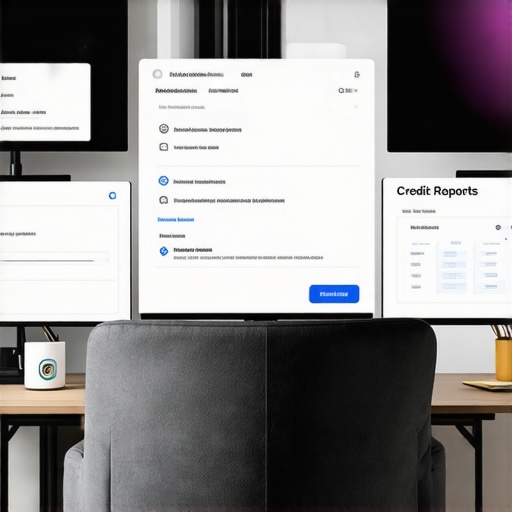
Imagine a sleek, organized home office with multiple screens displaying your credit reports, credit scores, and dispute templates. A high-quality scanner, a dedicated filing cabinet for paper documents, and a smartphone with credit monitoring apps open—these are the essential tools I personally use daily to keep my credit system running smoothly. This setup ensures I stay proactive rather than reactive, ultimately safeguarding my financial future.
As an exercise, try integrating a new automation tool like AutoDispute into your routine this month. Its ability to draft, customize, and track disputes can dramatically streamline your workflow and increase your success rate. Staying ahead in credit health isn’t just about understanding rules; it’s about implementing strategic, reliable systems tailored to your financial goals.
3 Surprising Truths That Shifted My Credit Repair Strategy
One of the most eye-opening lessons I learned was that not all credit errors are created equal. Some mistakes, like simple clerical typos, are easy to fix, but others, such as mistaken identities from shared names, require a strategic approach. I also discovered that many so-called “quick fixes” can backfire if not executed correctly, emphasizing the importance of patience and thorough documentation. Lastly, I realized that understanding your rights under laws like the Fair Credit Reporting Act can be a game-changer, empowering you to demand accurate reporting and timely responses.
Tools and Resources That Transformed My Credit Journey
Over the years, I’ve leaned on specialized tools like AutoDispute for automating dispute letters and Credit Karma for real-time monitoring. Books such as Credit Repair Secrets provided deep insights into dispute strategies, while official government guides helped me grasp my legal rights better. Trust in these resources comes from their proven track record and the way they simplify complex processes, making credit repair less daunting and more actionable.
Seize Control and Shape Your Credit Future
Remember, every step you take toward understanding and correcting credit errors is an investment in your financial resilience. The journey may be challenging, but with the right mindset and tools, you can turn mistakes into opportunities for growth. The most important action is to start—today, not tomorrow. Your credit health depends on your willingness to learn, adapt, and persist. Are you ready to take the first step toward transforming your credit story? Share your experiences or questions below; I’d love to hear how you’re planning to master your credit repair process.