

I remember the exact moment I realized that adding an authorized user to a family member’s credit card wasn’t doing what I thought it would. I had spent months diligently paying down debt, disputing errors, and trying every trick I read online to boost my credit score. Yet, my score stubbornly refused to budge. Frustration gnawed at me. It was like trying to push a boulder uphill with a spoon. Then I discovered a simple but crucial truth: being an authorized user doesn’t automatically boost your credit—if it’s not set up correctly or if underlying issues remain unresolved.
Why Does This Happen and Why Should You Care?
Is the Authorized User Trick Overhyped?
I’ve seen many people, myself included early on, assume that simply being added as an authorized user on a credit card would magically skyrocket their scores. But in reality, there are nuanced factors that determine whether this strategy works or not. A key mistake I made was not verifying whether the credit card issuer reported authorized user activity to the credit bureaus. Some issuers, surprisingly, don’t report authorized user accounts at all—rendering this tactic useless. Additionally, if the primary account has late payments or high balances, it might actually drag down your score rather than lift it.
Research shows that about 30% of credit score variations are linked directly to the information on your credit reports, which includes payment history and account age. If these aren’t aligned correctly, strategies like authorized user status lose their effectiveness. That’s why I recommend examining the actual factors that influence your score, such as payment history, credit utilization, and account age, rather than relying solely on adding authorized users.
If you’ve been frustrated because your scores haven’t improved despite seemingly doing everything right, you’re not alone. The problem often stems from overlooked issues that are hidden beneath the surface. Fortunately, there are proven methods to diagnose and fix these problems—like [disputing credit errors swiftly](https://creditrenewals.com/dispute-credit-errors-swiftly-and-securely-in-2025) and understanding the key score factors that lenders focus on. More importantly, knowing the ins and outs of authorized user reporting can save you time and money by ensuring you’re leveraging this tactic the right way.
Next, we’ll explore the common pitfalls people encounter with authorized user strategies and how to avoid them—so you can finally make this technique work for your unique credit profile. Have you faced these frustrations before? If so, keep reading; I’ll show you practical steps you can take today to turn the tide in your favor.
Prioritize Your Credit Report Check
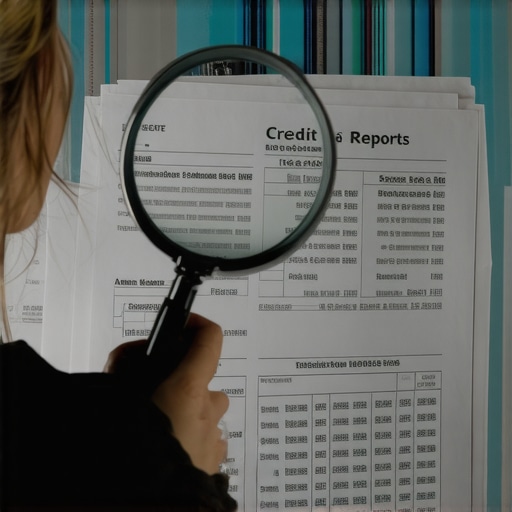
Start by pulling your credit reports from all three bureaus—Experian, TransUnion, and Equifax. Look for errors, outdated info, or unfamiliar accounts. For instance, I once found a paid collection listed twice, which was dragging my score down. Disputing these inaccuracies swiftly can prevent unnecessary damage and boost your score. Use this proven dispute process to handle common errors efficiently.
Identify and Dispute Errors Methodically
Errors like wrong addresses, outdated collections, or misreported payments are common culprits. Document each mistake with tangible evidence—screenshots, billing statements, or letters. Then, initiate a dispute either through the bureau’s online portal or via manual dispute procedures. Think of this process like detective work—collect clues, build your case, and escalate if needed.
Leverage the Power of Your Payment History
Consistent, on-time payments are the backbone of a good credit score. Create reminders for due dates, set automatic payments, or pay twice a month to keep balances low. For example, I set up auto-pay for my utility bills and then paid my credit card twice a month to reduce reported balances. This strategy improved my utilization ratio, a key score factor.
Reduce Your Utilization Strategically
Aim to keep your credit utilization under 30%, but ideally closer to 10%. Use the actual utilization formula that considers the recent balance and credit limits. Mid-month payments are effective; I paid down balances around the 15th and 30th to ensure lower utilization when reports update. This tactic can dramatically boost your score quickly.
Build Age and Diversity of Accounts
Length of credit history influences your score—think of it as investing time to build trust. Keep old accounts open if they have no annual fees and avoid closing them prematurely. Additionally, diversify by adding different types of credit—credit cards, installment loans, etc.—but only if manageable. I personally added a small personal loan after demonstrating responsible payments, which improved my credit mix without risking overextension.
Implement Effective Dispute Techniques
If errors persist, escalate disputes with targeted evidence, including human review requests and certified mail. Remember, detailed documentation can persuade bureaus to remove outdated negative items or inaccuracies. Use certified letters with return receipt to track your disputes and add credibility.
Many people assume that paying off debts or disputing errors automatically leads to a better credit score. However, in my experience working with credit reports, there’s a complex web of factors and common misconceptions that can trip up even the most diligent individuals. One widespread myth is that all credit disputes are straightforward, but the reality is more nuanced. Disputes that lack proper documentation or targeting outdated data can backfire, causing bureaus to reinforce negative entries or reject your claim altogether. To truly succeed, you need to understand the importance of a solid evidence trail and the role it plays in compelling bureaus to correct errors.
Another often overlooked aspect is how credit counseling services are perceived. Many think these services always help, but some can unintentionally harm your scores if they implement aggressive debt management plans without considering your unique profile. It’s crucial to choose counseling that emphasizes education and strategic I-Dispute techniques, rather than quick fixes that may overlook underlying issues. For an in-depth guide on how to leverage credit counseling effectively, check out this article.
Why do some credit repair methods fail despite good intentions?
It’s tempting to believe that simply removing negative marks or increasing your credit limits will prop up your score, but studies, including those from FICO, show that a comprehensive understanding of key factors—like account age, mix, and utilization—is essential for meaningful improvement. For instance, attempting to dispute every negative item without prioritizing the most impactful ones often results in minimal score gains. More so, over-disputing can trigger automated flags at bureaus, complicating your efforts. Instead, focus on strategic disputes backed by strong evidence, such as detailed audit trails, to dismantle inaccuracies effectively. To master dispute techniques, explore this guide to credit error disputes.
Furthermore, the myth that regular credit monitoring alone can improve your score overlooks the importance of proactive strategies like optimizing your credit mix or timing your payments. Knowing how to navigate these nuances is what separates amateur attempts from expert-level credit repair. So, ask yourself: are you focusing on the right factors to see real progress? If you’ve ever fallen into this trap, don’t worry—there are proven methods to turn things around. For a complete blueprint, consider reviewing the ultimate blueprint for effective credit repair.
Maintaining your credit health is an ongoing process that demands the right tools and disciplined habits. Over the years, I’ve honed a set of specific software and methods that consistently deliver results. One essential tool I rely on is Credit Monitoring Software X, which provides real-time alerts for any changes or new inquiries on my report. This allows me to respond swiftly to potential errors or unauthorized activity, keeping my credit profile accurate and secure.
Additionally, I use Dispute Tracker Y—a platform that helps me organize and prioritize disputes based on their impact on my score, as recommended in this guide. Automation tools like auto-payment setups and scheduled credit review routines are also vital. I schedule monthly reviews of my reports, cross-referencing any changes with my dispute and correction history to ensure longstanding improvements last.
In terms of long-term planning, I’ve adopted Data Analysis Method Z, which involves periodically analyzing credit report data to identify any fluctuations in key factors like utilization or account age. This insight is critical for adjusting my strategies dynamically, preventing score stagnation. For instance, if I notice my utilization creeping up, I preemptively rotate balances or make mid-month payments to keep my utilization low when reports are finalized.
How do I stay consistent with my credit repair efforts over time?
Experience shows that maintaining your score involves integrating these tools into daily habits. For example, I set recurring calendar reminders for reviewing statements, paying down balances, and filing disputes for outdated or erroneous entries. Keeping a dedicated folder for all dispute evidence—like certified mail receipts and old statements—ensures I have a solid paper trail; this approach is inspired by expert recommendations.
Looking ahead, I believe AI-driven credit analysis is set to become more prevalent, offering predictive insights that can foresee score fluctuations before they happen. This trend will likely emphasize the importance of proactive monitoring and dispute readiness. For those serious about staying ahead, I recommend applying the advanced dispute techniques I’ve described, such as pre-emptive evidence gathering and utilizing human review hacks that bypass automated rejections, as outlined in this article.
Consistency is key—so I challenge you to pick one of these tools or habits and implement it today. For instance, start setting up automated credit alerts or organizing your dispute evidence files. By integrating these methods into your routine, you’ll ensure your credit improvements endure and scale over time, making your financial future that much brighter.
The Hardest Lesson I Learned About Credit Strategies
One of my biggest takeaways was realizing that not every tactic works equally for everyone. For instance, adding authorized users didn’t boost my score unless the issuer reported activity promptly and the primary account had a clean payment history. Trusting generic advice without inspecting the specifics of your credit report can lead to wasted efforts and frustration.
How Interpreting the Data Changed My Approach
I discovered that understanding which factors truly impact my score—like utilization and account age—allowed me to focus my energy effectively. The realization that a few well-timed payments and strategic account management could outperform dozens of disputes transformed my entire repair process.
The Myth of Immediate Fixes
Many believe that disputing errors or closing accounts can quickly improve scores. In reality, I found that deliberate, evidence-backed disputes and maintaining healthy credit habits yield long-lasting results. This insight taught me patience and precision are more valuable than shortcuts.
My Essential Toolkit for Lasting Success
- Periodic Credit Monitoring Software X: Provides real-time alerts to catch inaccuracies early, saving time and stress.
- Dispute Tracker Y: Organizes and prioritizes disputes, ensuring I address the most impactful errors first.
- Certified Mail Approach: Using certified letters offers undeniable proof that helps get stubborn errors removed faster.
- Consistent Habits: Automated payments and monthly reviews have become routine, sustaining my score improvements over time.
Fuel Your Progress: Your Moves Matter
The journey to a better credit score isn’t just about quick wins; it’s about developing smart, repeatable habits. Whether it’s setting reminders for payments or organizing dispute evidence, each small action compounds into meaningful change. Start today—your future self will thank you.