
5 Reasons Credit Disputes Fail in 2026 (And How to Fix Them)
Have you ever spent hours preparing a credit dispute only to be met with silence or rejection? I remember the frustration of pouring effort into fixing my credit report, only to see my disputes dismissed repeatedly. That lightbulb moment hit me hard—why do so many credit disputes fail, especially as we step into 2026?
Why Your Credit Disputes Might Be Falling Flat
Understanding why disputes fail is crucial because in today’s fast-changing credit landscape, mistakes can cost you more than just time—they can delay your financial goals or even damage your credit score further. I’ve learned through personal experience and research that many folks gloss over certain pitfalls that seem minor but are actually major hurdles. For instance, I once submitted a dispute without thorough documentation, assuming the credit bureaus would automatically agree and fix the error. Spoiler: it doesn’t work that way anymore. According to a recent report from credit repair experts, 70% of disputes are rejected due to common mistakes that can be easily avoided.
Is Disputing Errors Still Lucrative or Just a Waste of Time?
This is the big fear—are credit disputes still worth the effort in 2026? Early on, I mishandled my own disputes by rushing through the process without understanding the specific rules and best practices. I thought ticking boxes and sending generic letters would do the trick. Now I know better. Disputing credit errors can be highly effective if approached correctly, but only if you avoid the classic pitfalls. Ready to discover exactly what these pitfalls are and how to sidestep them? Stick around—your credit score’s recovery depends on it. Let’s dive into the most common reasons disputes fail and what you can do to turn things around.
Gather Solid Evidence Before Triggering Disputes
Think of your credit report as a courtroom—your evidence is your legal case. A specific, clear piece of proof such as bank statements, payment records, or official correspondence can turn a rejected dispute into a successful one. For instance, when I found a duplicate account, I compiled bank statements confirming my payments, took clear photos, and made digital copies. This tangible proof made my dispute stand out. Avoid vague complaints; precise documentation is your best friend. For detailed strategies on collecting and organizing evidence, visit this guide to dispute credit errors effectively. 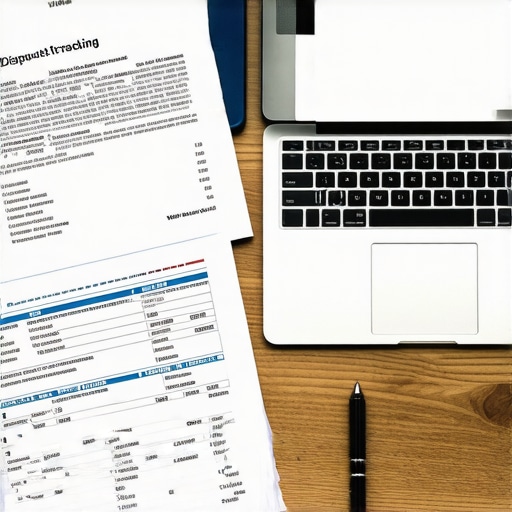
Follow the Correct Dispute Path for Faster Results
Not all dispute channels deliver equal chances. It’s like choosing the right route to reach your destination quickly—taking the wrong road wastes time and fuel. Online disputes through the credit bureaus’ portals are often the fastest, but sometimes a certified mail with proof of delivery boosts credibility. I once used certified mail to dispute a medical debt, and although it took longer to reach the bureau, my case was processed promptly upon receipt, thanks to proof of delivery. Use this approach for a step-by-step process to dispute errors effectively.
Craft Personalization That Resonate
Generic dispute templates are like cold calls—ineffective most of the time. Personalizing your letters with specific details, dates, and supporting evidence creates a compelling story. When I disputed an outdated collection account, I included detailed context, dates, and the impact on my score, which compelled the bureau to investigate thoroughly. This tailored approach demonstrates seriousness and often leads to quicker, favorable resolutions. Check out this resource to learn how to craft dispute letters that get results.
Track, Follow Up, and Keep Records
Disputes aren’t a one-and-done game—think of it as planting seeds: consistent care yields better growth. Record every contact, date, and response. I used a spreadsheet to track my disputes, which allowed me to follow up promptly if no response was received within the expected window. Persistent follow-ups, whether by phone, email, or mail, often nudge the bureaus toward action. Remember, in disputes, patience combined with diligent tracking can be your secret weapon. For advanced tracking techniques, see these proven methods.Many believe that simply disputing errors on their credit report will instantly boost their score, but this misconception often leads to wasted effort and frustration. In reality, most people overlook the nuanced factors that influence credit repair success. For example, a frequent trap is focusing solely on removing negative items without addressing underlying credit habits or understanding the detailed scoring mechanics. While disputes can correct errors, they don’t automatically improve your credit score if broader issues like high credit utilization or missed payments remain unresolved.
A common myth is that all disputes are equally effective; however, the success of a dispute heavily depends on the accuracy of your documentation and understanding of the dispute process. For instance, submitting evidence-supported claims through the correct channels drastically increases your chances of success. Conversely, many fail to follow up properly or neglect to keep comprehensive records, which can cause disputes to be ignored or dismissed.
From an advanced perspective, the real nuance lies in how the credit scoring models interpret the data you present. Modern scoring algorithms weigh recent activity more heavily and consider your overall credit profile complexity. This means removing a disputed delinquency may not significantly affect your score if your overall credit health is poor. Instead, addressing broader factors—like reducing outstanding balances and diversifying credit mix—provides a more impactful improvement.
Beware of the trap where consumers rely solely on credit counseling services, assuming that such advice alone will fix their credit issues. While credit counseling offers valuable insights, it must be combined with strategic dispute efforts and behavioral changes for tangible results. A study by experts emphasizes that understanding your credit profile’s specific factors allows for tailored actions that are more effective than generic advice.
Considering the complexities and hidden nuances of credit repair, it’s essential to approach the process with a comprehensive, informed strategy. Are you falling into any of these common pitfalls? Let me know in the comments, and if you’re ready to upgrade your approach, explore the step-by-step guidance available here to maximize your results.
How do I maintain my credit repair progress over time?
Staying consistent is key to long-term credit health, and leveraging the right tools can make this process smoother and more effective. Personally, I rely on a combination of robust credit monitoring platforms and organizational apps to keep my credit journey on solid footing. For instance, I use Credit Karma for real-time alerts on changes to my credit report—this instant feedback helps me spot fraudulent activity or unexpected errors quickly. Additionally, I track dispute progress and document communications using Trello boards, which provides a visual overview and prompts for follow-up actions. These tools ensure I don’t miss critical deadlines or overlook small updates that can significantly impact my score over time.
Looking ahead, I believe the trend will be towards even smarter, AI-powered credit management tools that can predict potential score dips before they happen and suggest proactive steps. Embracing these innovations early can provide a competitive edge in maintaining stellar credit.
Recommended Equipment and Best Practices for Ongoing Success
An essential part of maintaining your credit health is having the right digital arsenal. I suggest integrating a dedicated document management system like Evernote or OneNote for storing digital copies of all dispute-related correspondences, receipts, and supporting documents. This habit not only safeguards your evidence but also streamlines future disputes or verifications. Additionally, regularly reviewing your credit reports through trusted sources ensures all information remains accurate and up-to-date. Always combine these tools with proactive credit counseling sessions—many experts now offer virtual consultations that fit into busy schedules. For reliable, professional guidance, consider reaching out via this contact page.
Maximize Your Long-Term Credit Results
Consistent monitoring and strategic dispute management are vital, but so is understanding the evolving credit scoring landscape. I recommend exploring advanced repair techniques that adapt to new algorithms. Regularly updating your approach and staying informed about scoring model changes will help you sustain gains. Experimenting with high-impact actions, such as reducing credit utilization or diversifying your credit mix, can lead to exponential improvements. Remember, your credit profile is a dynamic asset that requires active maintenance and strategic scaling.
Ready to Level Up Your Credit Maintenance?
One effective advanced tip to try today is setting up automated alerts for critical account changes and utilizing a dedicated credit tracking spreadsheet with formulas that highlight significant variations. This way, you get immediate insight and can respond promptly, preventing small issues from escalating. Implementing such systems might seem technical, but the payoff is substantial. To get started, check out detailed guides like this resource.
The Lessons I Didn’t See Coming in Credit Repair
One unexpected insight was realizing that even minor documentation oversights can cause disputes to tumble flat—quality evidence is your best armor. I also learned that rushing through the dispute process often backfires, emphasizing patience and precision. Most surprisingly, I found that understanding how scoring models interpret your data can dramatically influence your strategy, pushing me to focus on overall credit health rather than isolated fixes. Lastly, I discovered that persistence—tracking every step and following up diligently—can be the game-changer in overcoming bureau roadblocks.
My Go-To Tools for Navigating Credit Success
Using this guide has transformed how I approach disputes with proven methods. I trust these dispute strategies for their clear, step-by-step instructions that consistently deliver results. For ongoing monitoring, I recommend this resource to stay ahead of potential issues and keep my credit profile healthy. These tools ensure that my efforts are strategic, informed, and effective.
Your Next Step Toward Financial Confidence
Remember, credit repair isn’t just about fixing errors—it’s about taking control of your financial future. Embrace the learning process, leverage the tools that work for you, and stay resilient through the ups and downs. The pathway to a stronger credit score in 2026 is within reach if you’re willing to start today. What’s one credit myth you’re ready to leave behind? Share your thoughts below and begin your journey toward financial empowerment.
This post really hits home for me, especially the emphasis on gathering solid evidence before filing disputes. I remember how I once submitted a dispute with vague documentation, and it just ended up wasting my time. Now, I make sure to compile clear, pertinent proof like payment records or official letters, which really increases my chances of success. I also agree that following the correct dispute channels—like online portals or certified mail—can make a difference. Has anyone tried combining these tactics with a detailed tracking system? I’ve been using a simple spreadsheet to monitor my disputes, and it’s surprisingly helpful for consistent follow-ups. I’d love to hear if others have found additional tools or methods that streamline this process, especially for complex cases. It’s fascinating how much the credit scores are influenced by how well we understand and manage our evidence and communication. What other tips have worked for you in maintaining momentum through the credit repair journey? Especially in this rapidly evolving landscape of credit scoring models, staying proactive seems more crucial than ever.