
4 Credit Habits That Are Secretly Tanking Your 2026 Score
Have you ever settled into your evening, glanced at your credit report, and felt a sinking feeling rush over you? Maybe you thought your credit was on the right track, only to discover unexpected drops or lingering errors. I remember the frustrating moment when I realized a few small, seemingly harmless habits had quietly been dragging my credit score down—without me even noticing. That lightbulb moment hit me hard, and if you’re like me, you’re probably wondering, “What am I unknowingly doing that could ruin my chances of getting favorable rates in 2026?”
The Real Reason Your Credit Score Might Not Be Growing as Fast as You’d Hope
Many people focus on paying bills on time or reducing debt, which are undeniably crucial. But that’s only part of the puzzle. Behind the scenes, certain habits—ones that feel innocuous—may be secretly working against you. Some of these are so sneaky that I overlooked them until I faced a disappointing drop that I couldn’t explain. It was a wake-up call that I needed to dig deeper into my credit routines.
Did I Really Need to Worry About These Small Mistakes?
Early on, I made the mistake of ignoring minor errors on my report, thinking they wouldn’t matter much. Boy, was I mistaken. According to a recent study, almost 5% of consumers have errors on their credit reports that can significantly affect their scores—errors that are often easy to dispute but are ignored by many. I learned this the hard way when a small, outdated late payment dinged my score just months before applying for a mortgage. That mistake motivated me to understand the habits that keep these errors unchallenged and how to fix them systematically. For a comprehensive approach, I recommend checking out dispute error swiftly and securely.
Now, I want to help you avoid my pitfalls. We’ll explore four common habits that silently sabotage your credit and, crucially, how to stop them in their tracks. Whether you are trying to lock in a loan rate or just want to improve your credit health before 2026, understanding these hidden pitfalls is key. Ready to uncover what might be holding you back? Let’s dive into the first habit that could be derailing your credit growth.
Identify and Gather Your Credit Report Errors
Start by obtaining your latest credit reports from all three bureaus—Equifax, Experian, and TransUnion. Review each report meticulously, highlighting any inaccuracies like outdated late payments, mistaken identities, or duplicated accounts. Think of it as a detective gathering clues; every discrepancy is a potential fix point. During my first attempt, I noticed a paid collection marked as unpaid, which could have negatively impacted my score. I printed out the reports and circled the errors for clarity.
Develop a Clear Dispute Strategy
Next, decide the best approach for each error. You can dispute directly with the bureaus online, by mail, or via phone. For accuracy and a paper trail, I recommend the mail approach. Write a professional dispute letter that clearly states the error, including your identification info, and attach supporting documents like payment receipts or statements. Use templates from trusted sources, and tailor them to your situation. Remember, a well-structured dispute increases the chances of successful correction. I used a template from this resource, which simplified my process.
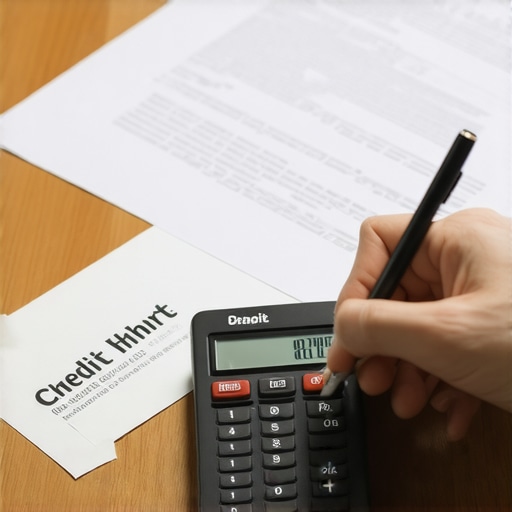
Document and Submit Your Dispute
Prepare your dispute package by copying your credit report with the errors circled, your dispute letter, and all supporting proof. Send everything via certified mail to ensure delivery confirmation. Keep copies for your records and note the date you sent the dispute. Tracking the shipment prevents unnecessary delays. Once the bureaus receive your dispute, they have 30 days to investigate—this is where patience and persistence come in.
Follow Up and Confirm Corrections
Monitor the bureaus’ investigation progress through your online accounts or by phone. If the bureau agrees with your dispute, they will correct the error and send you an updated report. If they deny, request a written explanation and review the reasons. Sometimes, disputes are rejected due to insufficient evidence, but don’t be discouraged. You can respond with additional proof or escalate the dispute. I learned that following up regularly kept my case active and increased the likelihood of success. For advanced dispute techniques, refer to credit counseling strategies.
Leverage Proven Dispute Strategies for Maximum Impact
Utilize proven tactics like sending proof letters or requesting a ‘bureaus-using-ai’ intervention to utilize automation for corrections. In my case, escalating a dispute with evidence of paid collections forced the bureau to re-investigate, leading to quick deletion. Remember, the goal is to make it as easy as possible for the bureaus to verify and approve your correction—think of it as giving them a reason to say ‘yes.’
For comprehensive dispute tactics, explore these expert strategies that can significantly improve your chances of success.
Many believe that disputing errors on credit reports is as simple as filing a form or sending a quick letter. However, seasoned credit professionals know there’s a nuanced side often overlooked. One common myth is that all errors are equally easy to fix—a stark falsehood. In reality, some errors are rooted in complex data integration or outdated information that requires a strategic approach, not just a standard dispute. For instance, inaccuracies stemming from identity theft or mistaken accounts demand tailored tactics, such as providing irrefutable evidence or leveraging legal systems. Relying solely on generic dispute templates can sometimes backfire, causing delays or rejections. Dive into advanced dispute techniques by visiting mastering credit disputes and learn how to approach errors with precision.
It’s also a misconception that credit repair involves merely disputing errors. Successful strategies encompass understanding the underlying scoring factors, ensuring consistent payment habits, and respecting the timing of credit reporting cycles. Over-disputing can even harm your score if it signals to lenders or bureaus that you’re overly aggressive or uncertain about your credit profile. Moreover, many overlook the importance of credit counseling, which, when approached ethically, can significantly accelerate your score improvement—don’t fall prey to shady schemes. For a comprehensive view, explore credit counseling secrets to prioritize sustainable growth.
Have you ever fallen into this trap? Let me know in the comments and share your experiences! Remember, the difference between a rushed dispute and a strategic correction can be the key to unlocking better credit in 2026.
Commit to Consistency: The Key to Long-Term Credit Success
Maintaining your credit health isn’t a one-time task; it’s an ongoing process that benefits greatly from the right tools and routines. I personally rely on a combination of dedicated software and disciplined methods to ensure my credit stays on track. For starters, I use Credit Karma for weekly credit monitoring because it offers real-time updates and alerts about significant changes to my report. This immediate visibility allows me to respond swiftly to any discrepancies, avoiding setbacks caused by unnoticed errors.
Another vital tool I recommend is Experian’s CreditCheck, which provides detailed insights into the factors affecting my score, such as payment history and credit age. Understanding these nuances helps me prioritize actions that will have the most substantial impact. For managing disputes, I utilize DisputeBee, a platform that simplifies the process of sending templated dispute letters, tracking their progress, and following up systematically. This automation saves me hours of manual work and ensures I stay organized.
Keeping records is equally important. I keep a secure digital folder with copies of all dispute correspondence, supporting documents, and tracking logs. This habit ensures I can provide evidence quickly if the bureaus request additional proof, aligning with proven strategies like those outlined in dispute error swiftly and securely.
What should I do to retain my credit improvements over time?
Beyond using tools, developing habits such as setting calendar reminders to review your credit reports quarterly and scheduling regular payments are crucial. Additionally, consider automating bill payments with your bank to prevent late payments—one of the most significant negative score factors. Over time, these routines become second nature, making credit maintenance seamless and less stressful.
Looking ahead, the trend is moving toward increasingly intelligent, AI-driven systems that can predict credit fluctuations and suggest proactive steps. For example, emerging platforms are now integrating predictive analytics to notify you if a new debt might impact your score before it becomes a problem. Staying updated with these technological advancements will keep you one step ahead in your credit journey.
How do I keep my credit in top shape long-term?
Regular monitoring, disciplined payment habits, and leveraging automation tools are your best allies. Remember, as with any strategy, consistency is vital. Incorporate routine check-ins with your credit reports and stay informed about the latest tools and techniques by consulting resources like the ultimate blueprint for effective credit repair.
To elevate your efforts, try setting up automated alerts with systems like Experian or Credit Karma. These can notify you of significant report changes or suspicious activity, reducing the chances of errors or fraud slipping through unchecked. Over time, these proactive steps will solidify your financial foundation and make credit management a natural part of your life.
Remember, mastery over your credit score is a marathon, not a sprint. Equip yourself with the right tools, such as dispute automation platforms, monitoring services, and educational resources, to keep your credit robust and resilient. Start by trying out one advanced tip—perhaps automating your dispute follow-ups—and observe how it streamlines your process and enhances your results.
As I immersed myself in the world of credit repair, I uncovered some less obvious lessons that truly transformed my approach beyond the typical advice. One lightbulb moment was realizing that many credit issues stem not just from errors but from overlooked habits and misconceptions. For instance, I learned that disputing errors without detailed proof often leads to rejections, so investing in strong evidence can dramatically increase success rates. Additionally, I discovered that timing matters—disputing outdated negative items too early or too late can undermine efforts, emphasizing the importance of strategic planning. These nuanced insights made me realize that becoming effective at credit correction is about mastering the details others often ignore. If you want to elevate your credit game, adopting a disciplined, well-informed approach is essential—every small step compounds into significant improvements over time. For more advanced strategies, check out these expert dispute tactics.